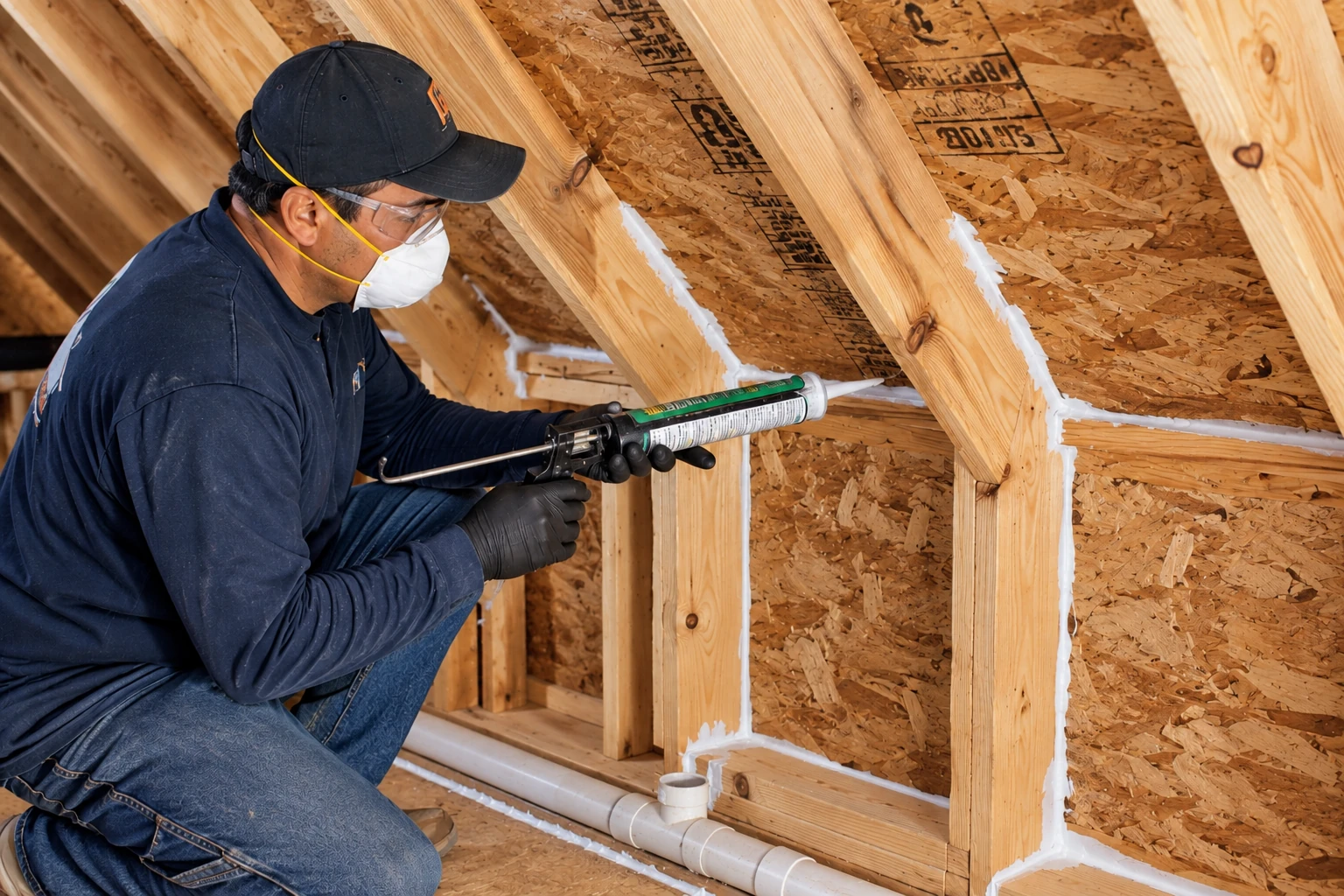
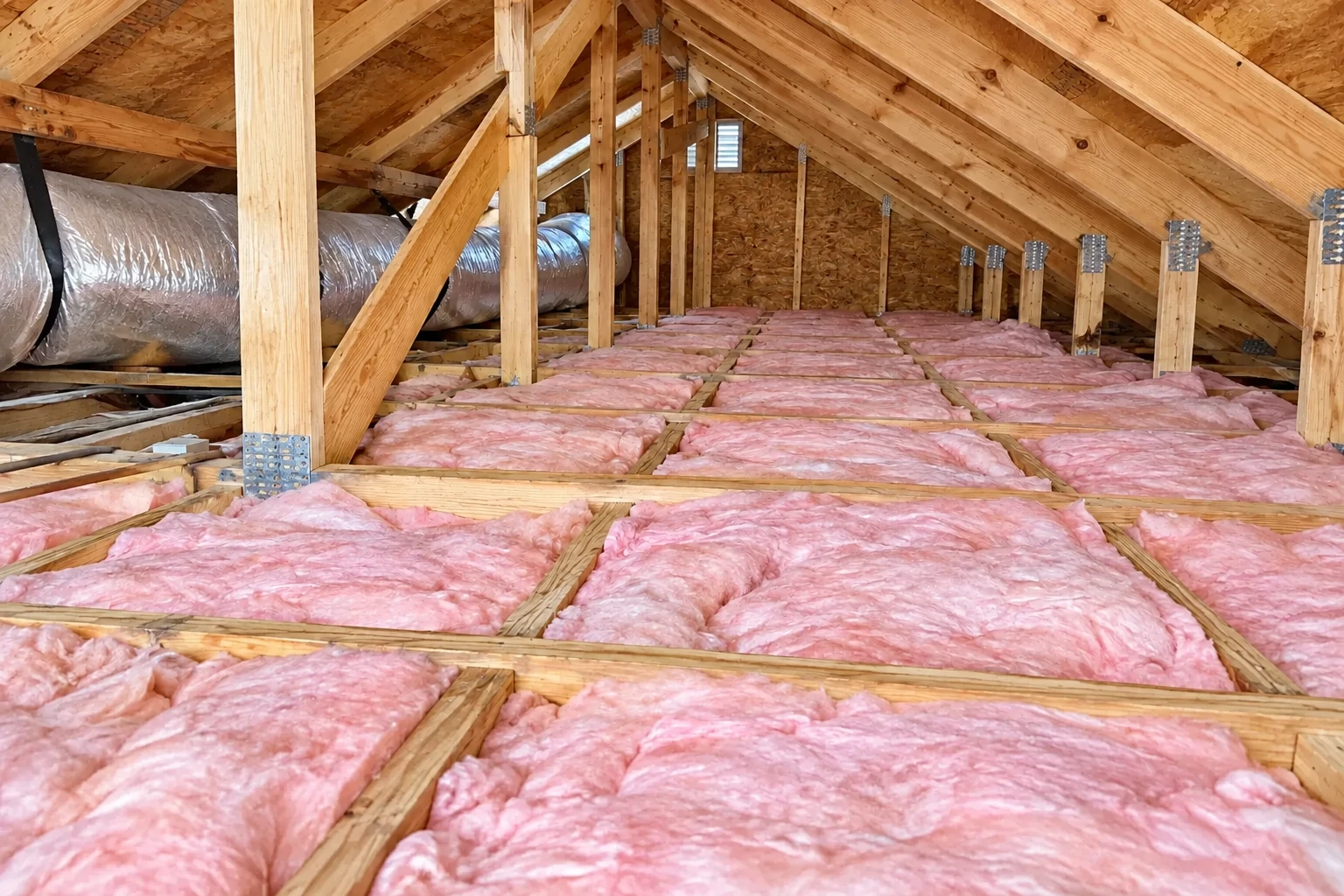
Most ice dam calls turn out to be warm air sneaking up through the ceiling, so we start where it gets out. We pull back the old insulation and seal from the attic side around light fixtures and bath fans, where pipes and wires come up, along the tops of walls, over dropped soffits and around the chimney. Each gap gets the material that fits it, foam for small holes, rigid board over big open chases, and sheet metal with high-heat sealant where it's near a chimney or flue. If the old insulation turns out wet or full of droppings, I'll tell you, because sealing under it just buries the problem. Then we weatherstrip the hatch, keep the vents at the eaves open so the attic can breathe, and rake the insulation back even, full depth at the edges and not just piled in the middle.
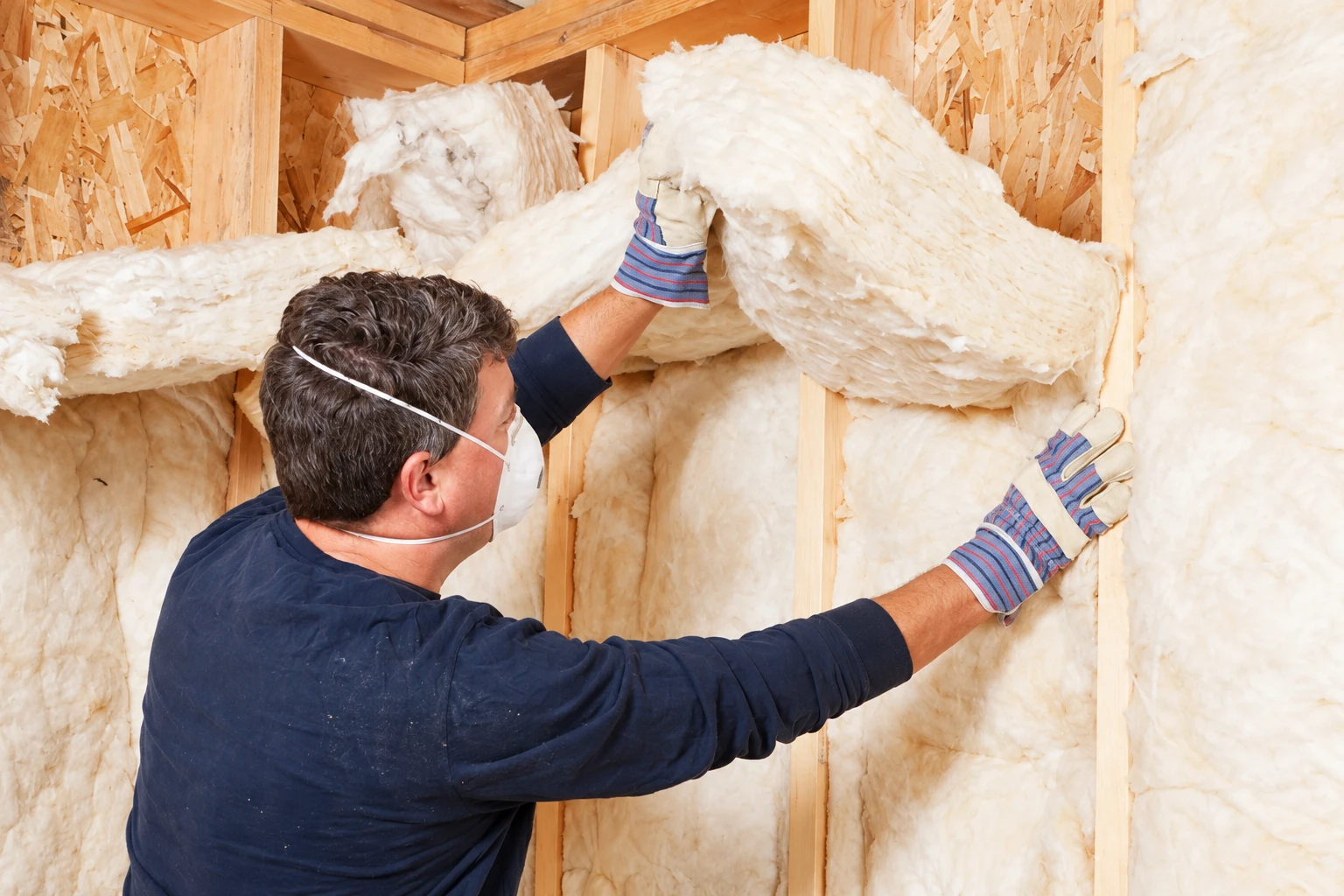
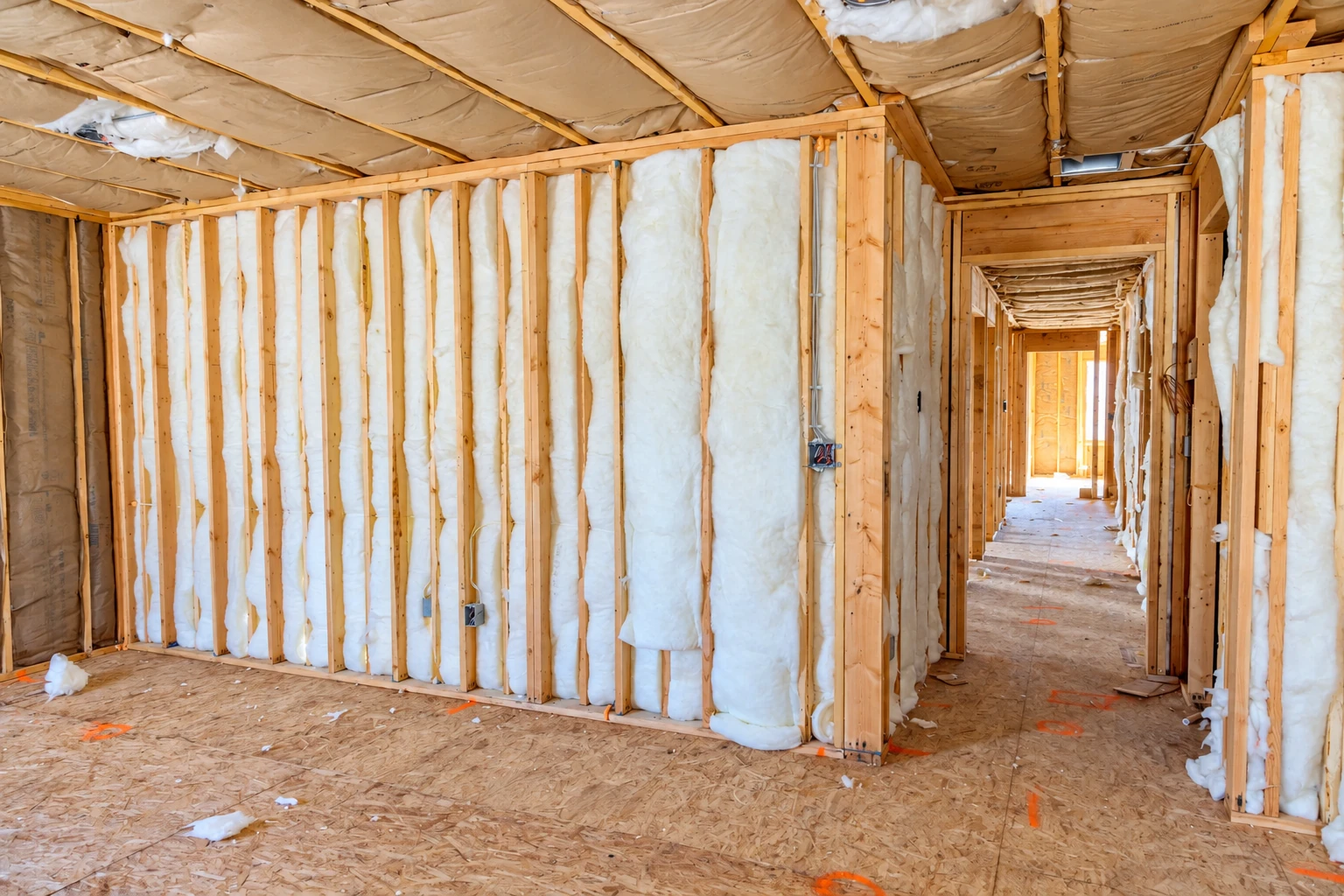
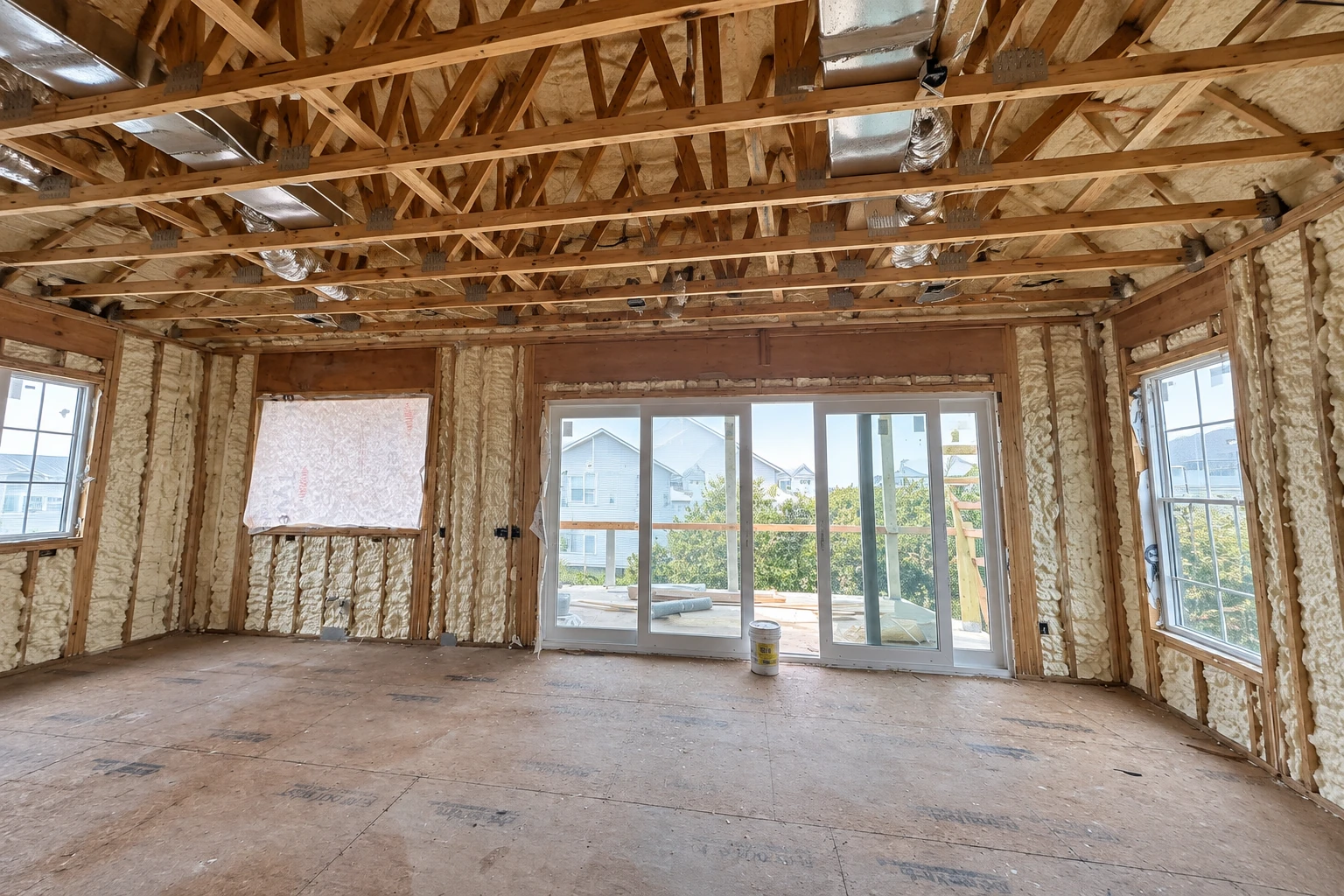
Sealing and then topping up with loose fill blown in through a hose usually beats foam on cost, and it does the job in most attics we see. If the walls downstairs feel cold too, retrofit insulation adds insulation to walls that are already finished. When your ductwork runs through the attic, I'll usually point you to spray foam insulation instead, because foam seals the air and insulates at the same time, and it costs more for that.