
Mon–Fri: 8 AM–11 PM, Sat–Sun: 6 AM–10 PM(507) 512-1787
J&L Rochester Insulation CompanyJ&L Rochester Insulation Company

Home insulation in Rochester MN - a house that holds its heat all winter

Cold rooms, a hot upstairs in July or a power bill that keeps climbing? We find where the heat gets out and close it up.

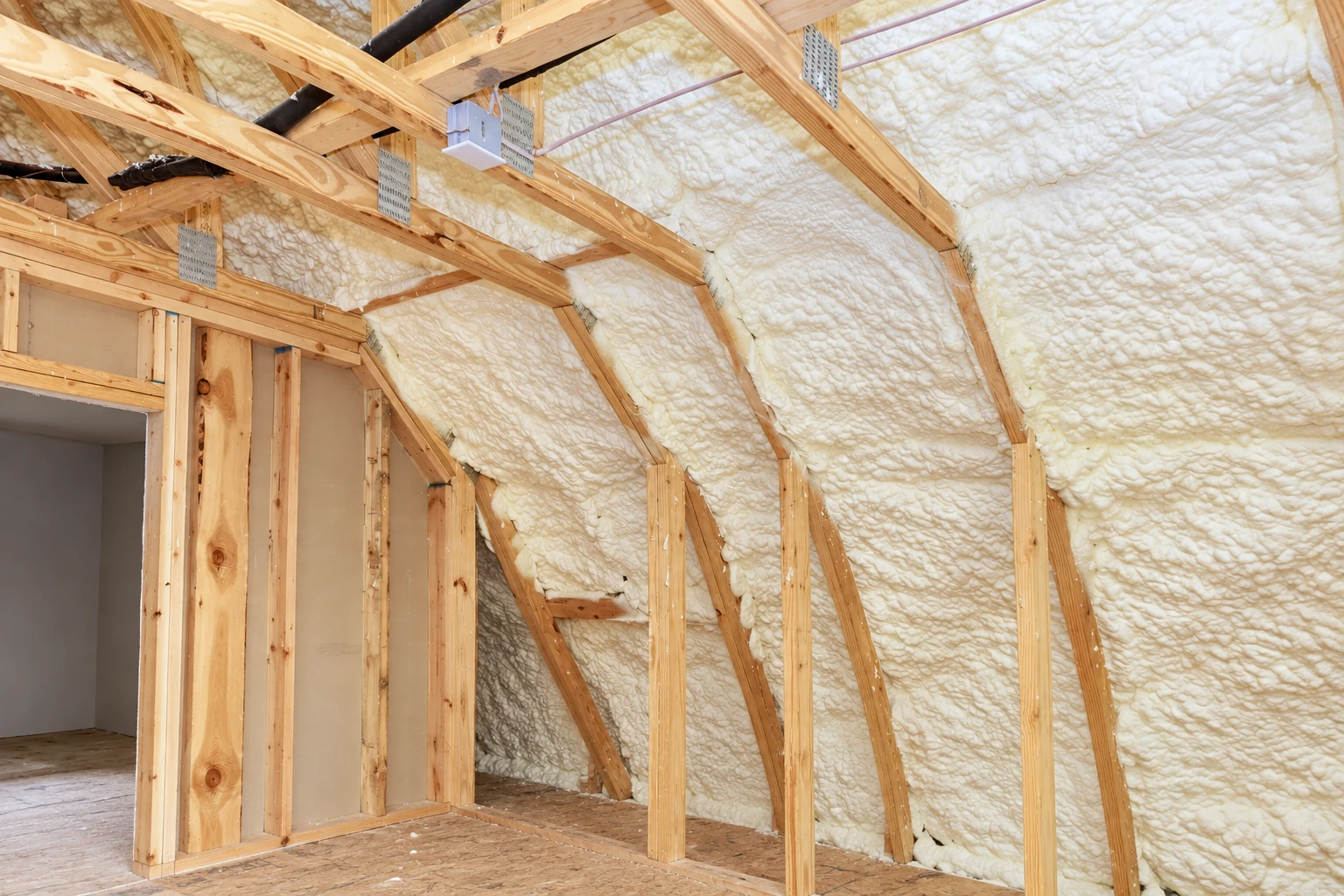
Spray foam insulation fills the roof and wall cavities of a partially framed room.

Why is my house still cold, and what will insulating it take?

Home insulation in Rochester is mostly about finding where your heat gets out, usually the attic, sealing those gaps and then adding insulation so the house holds warmth through a Minnesota winter. Most attics here that already have some insulation can still use more.

Most people call us about a drafty bedroom, the room over the garage that never warms up, ice dams on the eaves or a heating bill that climbs every year. The attic is usually part of it, and more insulation alone usually won't fix it, because warm air slipping through gaps around lights, pipes and the hatch carries the heat right past whatever's lying up there.

What moves the price is how many inches are up there now, whether any of it has to come out, how many gaps need sealing, how old the house is and how easy the attic is to get around in. The schedule turns on the same things, plus whether your address needs a permit for our part. I write up the estimate after I've been in the attic, so your number comes from your house and not a guess.

What happens after you call us about insulating your house

It's a short list. You talk to us, I look at the house, and our crew does the work with me checking on it.

I come out and go up in the attic

Call or send us a message and we'll set up a visit, and I do the estimates myself. I go up in the attic or down in the crawl space looking for leaks, water and anything else that changes the plan, and after nine years of this, there's usually something.

An estimate written for your house

I write up what I found, where the heat's going, where I'd start and what the work costs. If you'd rather do one part now and the rest later, I'll lay it out that way.

Our crew does the work, I check what gets covered

Once you say yes, we sort out any permit, and our crew does the prep, the sealing and then the insulation, with me on the job to check the parts that end up buried. We're licensed and insured, and before we leave we walk you through what we did.

How we handle home insulation

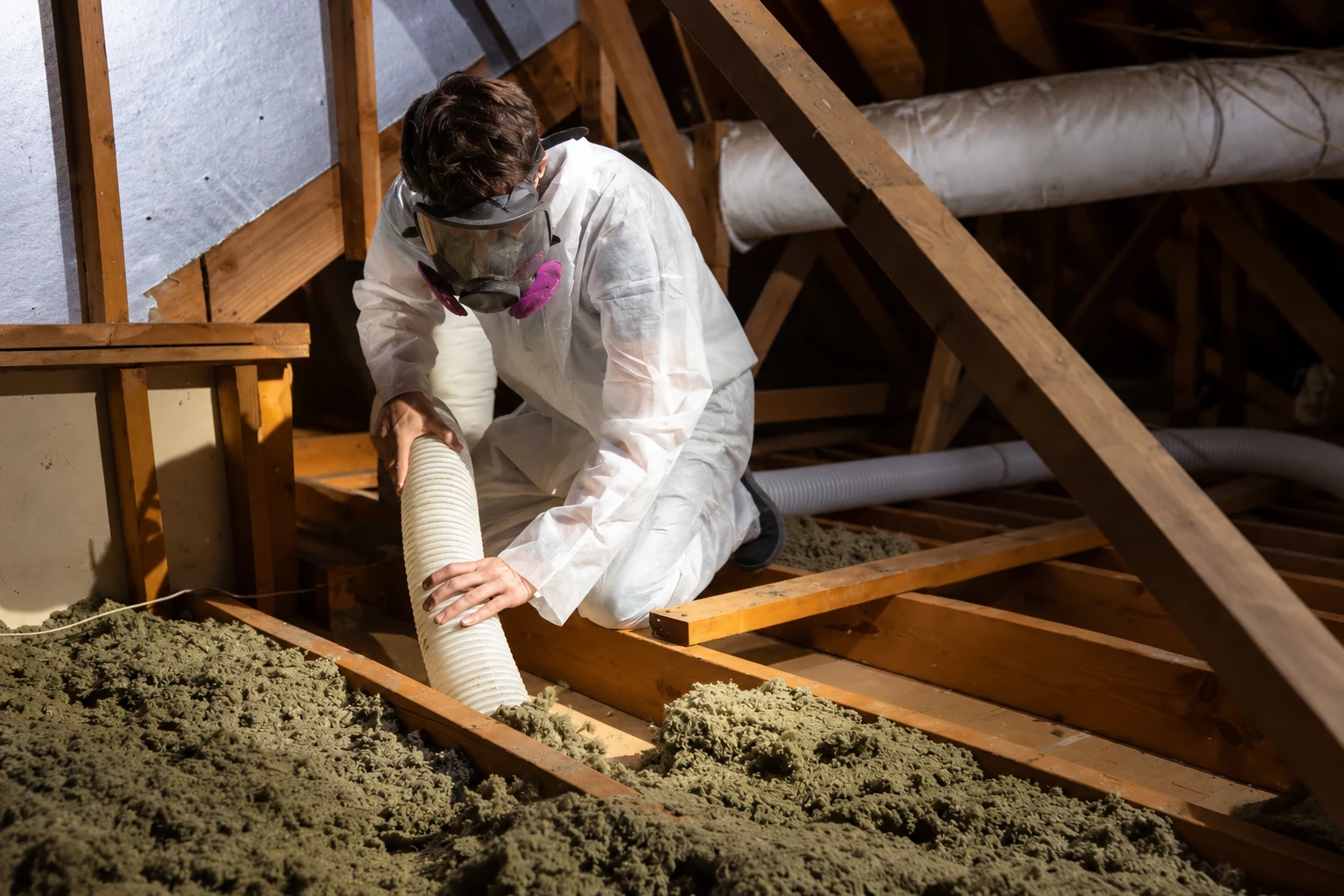
I start by looking at the whole house, not just the attic hatch, and telling you where the heat's actually going before I suggest where to start. If you've had an energy visit, bring the report and we'll work from it, since it saves us both some guessing. Then we work in order, fixing what's wrong up there, sealing the gaps so warm, damp air stops getting into the attic, and only then adding insulation. On most attics that means blown-in, loose fill blown through a hose, which settles around the framing in an even layer and takes a machine and some practice to get right. Foam costs more and seals air while it insulates, but sealing the gaps and topping up loose fill usually wins, unless your ductwork runs through the attic, which is when I lean toward foam.

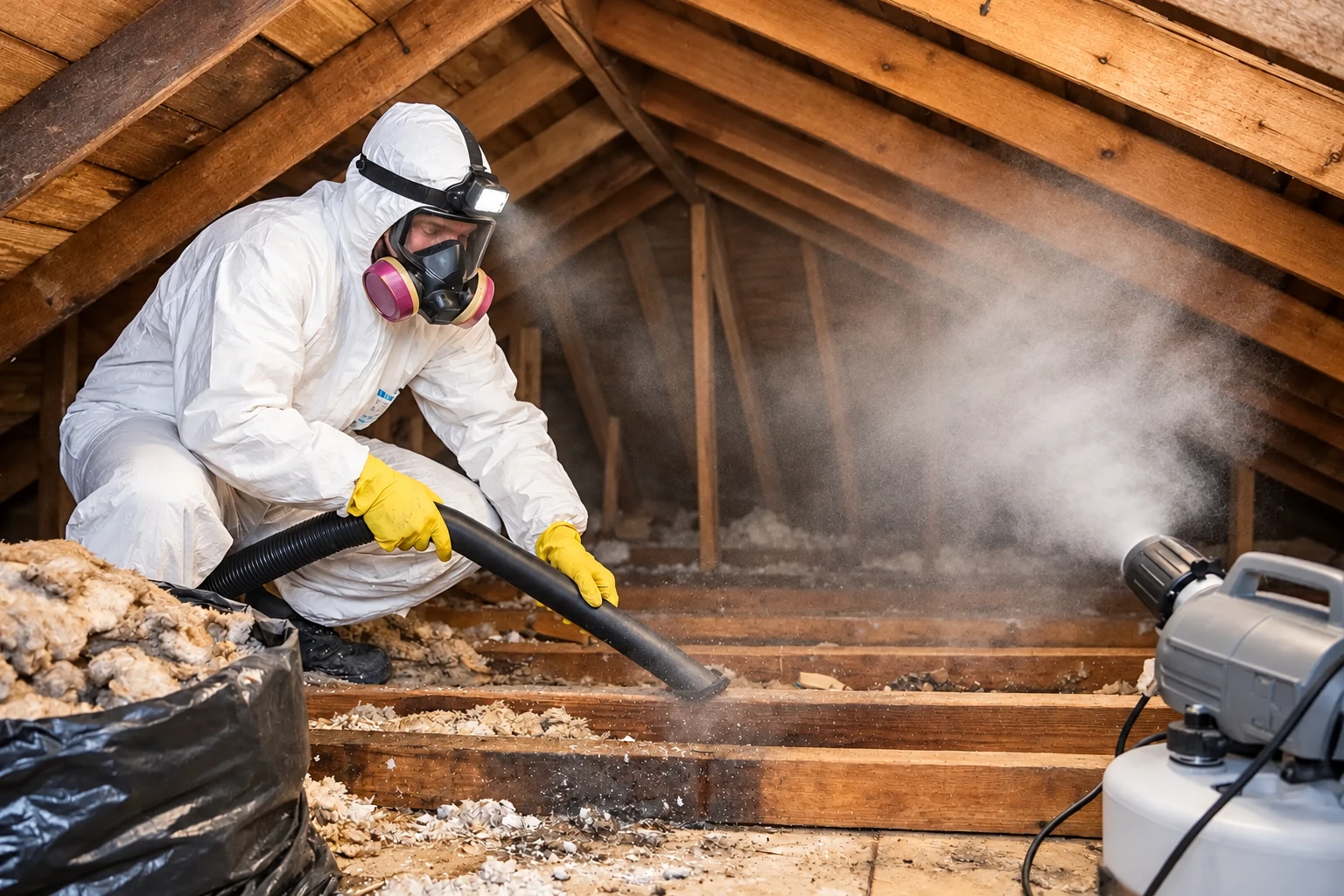
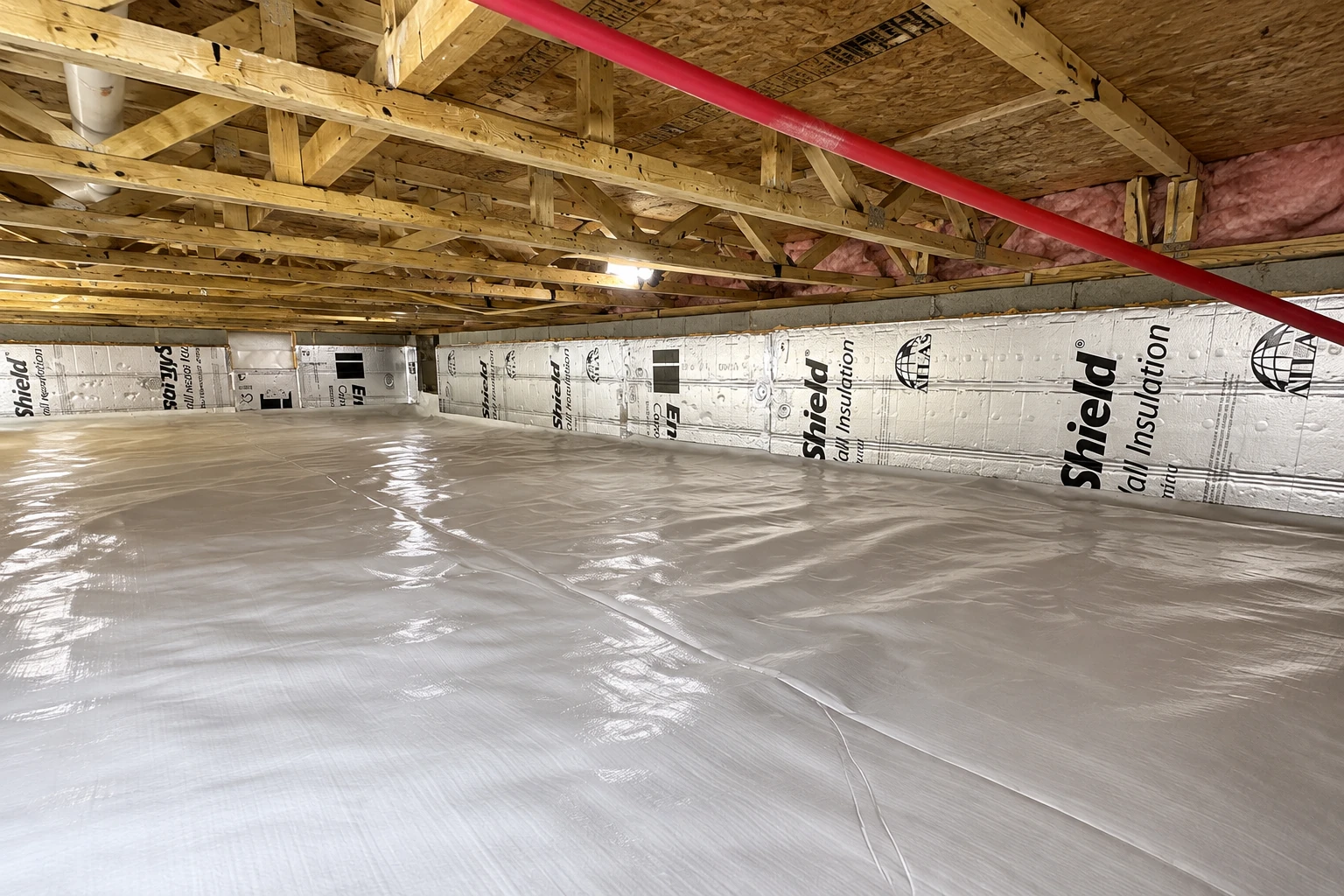
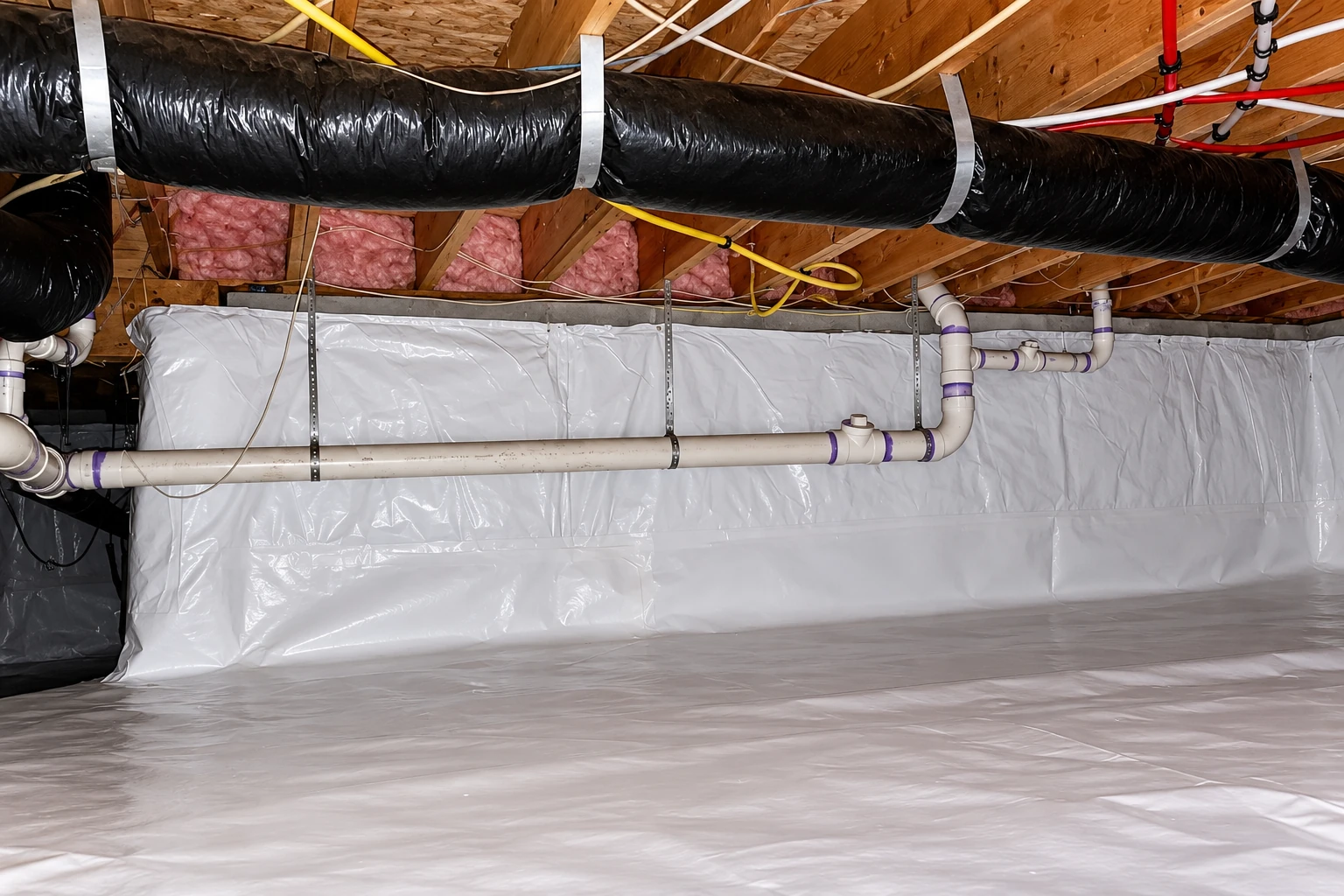
Some houses need other work alongside the attic. If the old material up there can't stay, insulation removal goes in the plan before anything new goes on. Cold floors over a crawl space are their own fix, and crawl space insulation is often where the next chunk of your heat is going.

  • A look at where your house loses heat, attic and crawl space included
  • Air sealing, closing the gaps before any insulation goes on
  • Blown-in insulation over sound old material, or foam where the ducts make it worth the cost
  • Eave vents kept open so the attic stays dry
  • Crawl space or removal work when the attic isn't the whole story

How the work goes once we're in your house

Four steps, in this order, because each one depends on the one before it.

  1. Cover the path to the attic

    We protect floors and the way up to the hatch before anyone climbs a ladder, because the dust belongs in the attic and not on your stairs. Someone lives here, and we work like it.

  2. Seal the gaps

    We close the gaps around can lights, pipes, wires, the chimney and the hatch, since insulation laid over a draft just gets blown through. A tighter house still has to leave enough air for vents, exhaust fans and anything that burns fuel, so we look at those before we close things up.

  3. Add insulation out to the edges

    We bring the depth all the way out to the eaves, where most attics are thinnest, instead of piling it high in the middle where it's easy to reach. Baffles, short chutes that hold insulation back from the vents, keep the attic breathing so the framing doesn't get damp.

  4. Clean up and put it back

    We vacuum, close up the hatch and leave the house the way we found it, minus the draft. Then we show you what's up there now.

Get an insulation estimate for the whole house, not just the attic

Send the form and we'll reply within one business day to set up a time for me to come out. The estimate is free, it's done on site and there's no obligation. If you have an energy visit report or think there's vermiculite in the attic, mention it so I know what to look for.

(507) 512-1787

Insulation questions we hear in Rochester

Do I have to remove my old insulation before adding more?

Usually not. Blown-in insulation can go right over what's already there, and the old material only needs to come out if it's wet from a roof leak or from moisture coming up from below. If your attic has had a leak or feels damp, plan on removal being part of the job, and I'll check for it at the estimate.

Is vermiculite insulation in my attic a problem?

Treat it as if it could be. The EPA says homeowners with vermiculite should assume it may be contaminated with asbestos and leave it undisturbed. If you decide to have it removed, the EPA says a trained and accredited asbestos abatement contractor, separate from the company that assessed it, should do the work, so tell us up front if you think it's up there.

How much does home insulation cost in Rochester MN?

Insulation jobs of any kind in Rochester usually cost about $1,500 to $5,000 per job. That's the going rate around here, not our price, and where your house lands depends on how much is up there, whether anything has to come out and how much sealing it needs. Your own number comes from the estimate, after I've been in the attic.

Does an insulation contractor need a state license in Minnesota?

Only if they offer more than one kind of work. The Minnesota Department of Labor and Industry requires a state license for contractors who offer more than one skill area, and it lists insulation and vapor barriers under interior finishing. A contractor who offers only that one skill doesn't need a state license.

Insulating houses in Rochester and the cities around it

If you're in Rochester, Rochester Public Utilities and Minnesota Energy Resources run the Neighborhood Energy Challenge, a home energy audit program. After a workshop, a visit of about two hours tests for air leaks and checks your insulation for a one-time $75 fee, and if it turns up work like insulation or attic air sealing, the program connects you with contractors, financing, incentives and utility rebates. That's the kind of report I'm happy to work from.

Before work starts, we check with the city or county office that covers your address, and if our part of the job needs a permit, we take care of it. Rochester requires owners of single-family homes to get permits for work they do themselves, and whoever signs a permit is responsible for the work meeting the rules, so if you're doing part of it yourself, the city's Community Development office answers questions at 507-328-2600. We're based in Rochester and also work in Byron, Stewartville, Kasson and other cities around it, where we find the same tired attics and the same cold rooms over the garage.

Call to set up an insulation estimate

We pick up (507) 512-1787 until 11 PM on weekdays and 10 PM on weekends, because most people notice the cold room after dinner.

If you've got a question about your attic before you're ready for an estimate, send it over and I'll answer it.

Tell us about your project
(507) 512-1787Get an estimate