
Mon–Fri: 8 AM–11 PM, Sat–Sun: 6 AM–10 PM(507) 512-1787
J&L Rochester Insulation CompanyJ&L Rochester Insulation Company

Commercial insulation in Rochester MN - a roof and ceiling that hold the heat

Roof due for replacement and a top floor that's cold by January? We plan the insulation with the roof work, so the heat stays inside.

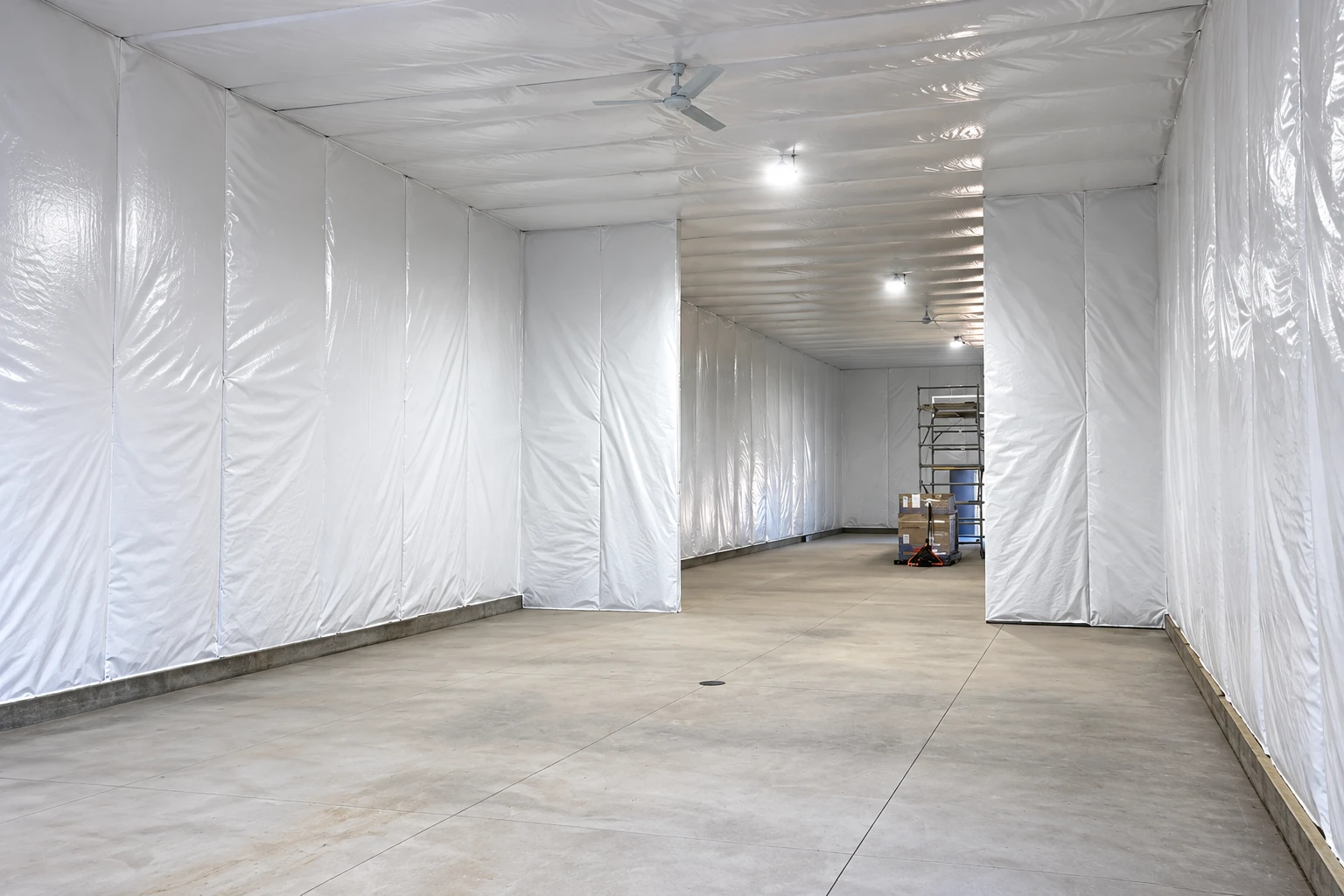
A large commercial interior is lined with white plastic sheeting on its walls and ceiling, with a concrete floor.

What does commercial insulation in Rochester usually involve?

Commercial insulation in Rochester, MN slows the heat your building loses through its roof, ceilings and floors. On most of our commercial jobs it gets planned alongside a roof project, because that's when the insulation is easiest to reach.

The signs are usually plain enough. You've got a top floor that's cold in winter and hot by July, ice building at the roof edge, a heating bill that keeps climbing, or a roof that's simply worn out. That last one is the moment to look at insulation, because the choice between a tear-off, where the old roof comes off, and a recover, a new covering laid over the old one, changes what goes in.

The price moves with the size of the roof, tear-off or recover, how much height the equipment and edges leave, how much wet or dirty old insulation has to come out, and whether the space below is open or finished with people working in it. The schedule mostly follows the roofer, plus any design work or permit the job needs and the weather. I write up the estimate after I've been up there, so the figure you get is for your building and not a guess.

What happens after you call us about a commercial building?

It's a short list, and I'm part of it from the first look to the last check.

I come out for the estimate myself

Call or send a message and we'll set up a time. I've run this business since 2017, and I'm the one who goes up on the roof and into the ceiling space to look for leaks, water and anything else that changes the plan before I write up the estimate.

Licensed and insured, and the state's registration rule

We're licensed and insured. Minnesota's Contractor Registration Program covers any contractor on a commercial project who doesn't hold a residential contractor's license.

Our crew installs, and I check what gets covered

Once you say yes, we sort out any permit, do the prep and sealing, then put in the insulation. Our install crew does the work, I'm on the job to check the parts that end up buried, and we walk you through what we did before we leave.

How we handle commercial insulation on a roof project

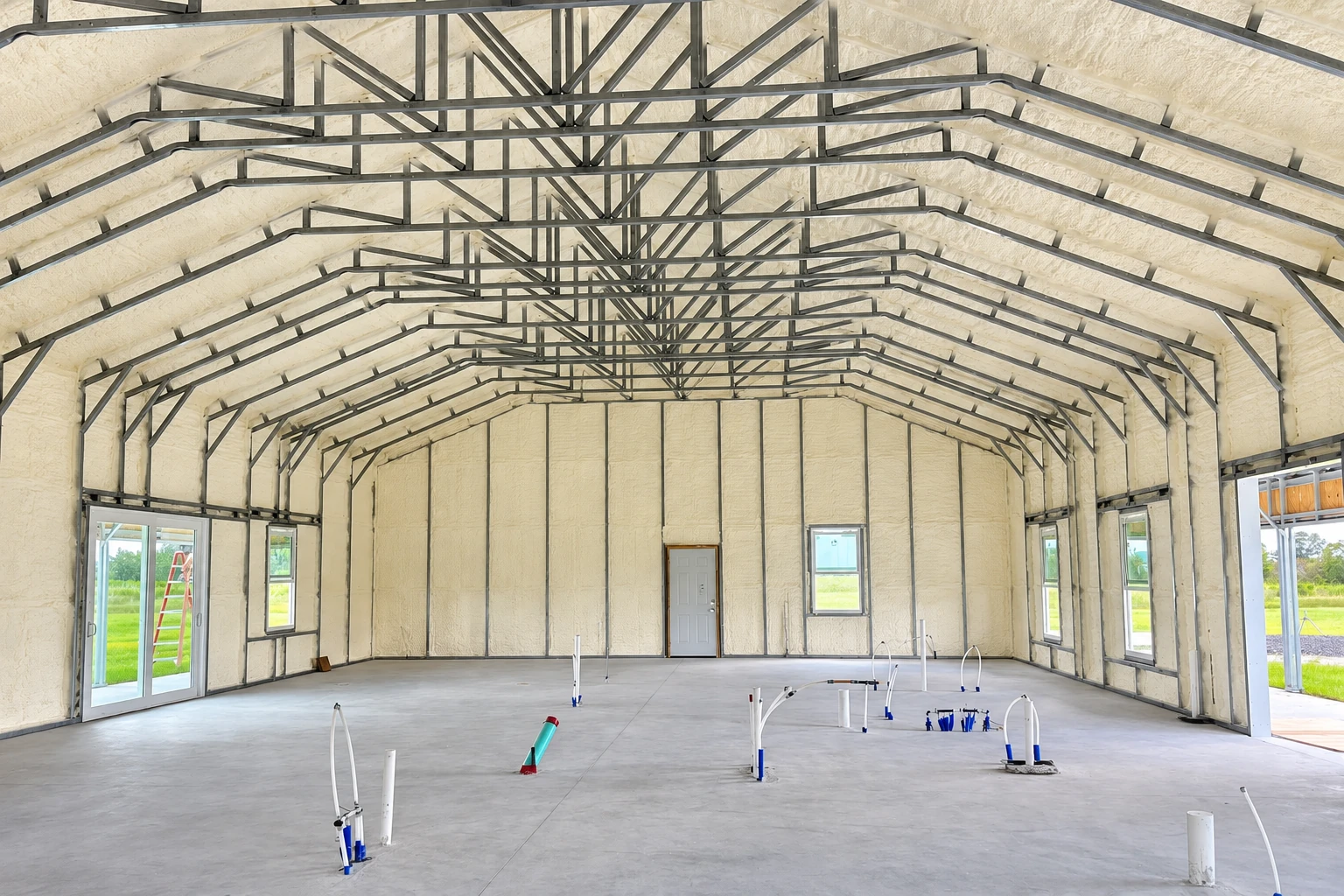
Most commercial calls we get tie into a roof project, so we'd like to hear about yours early, before anyone settles on a tear-off or a recover. After that the order is the same as in any building. We find the air leaks and the damp first, pull out insulation that's wet or full of whatever the pigeons left behind, seal the gaps around pipes, ducts, curbs and hatches, and only then add insulation, full depth at the edges as well as the middle. Putting new material over a leak just gives the leak a nicer blanket.

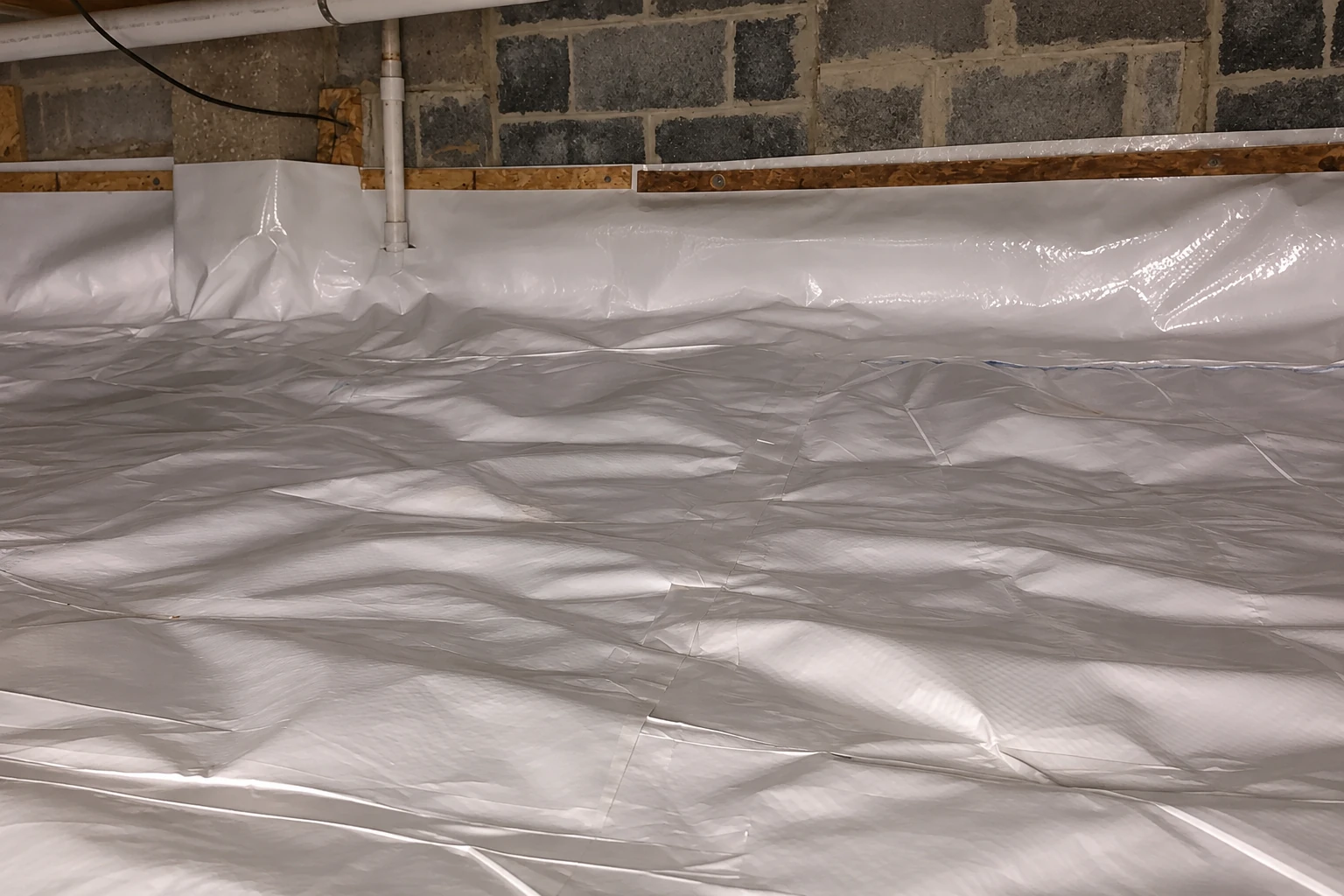
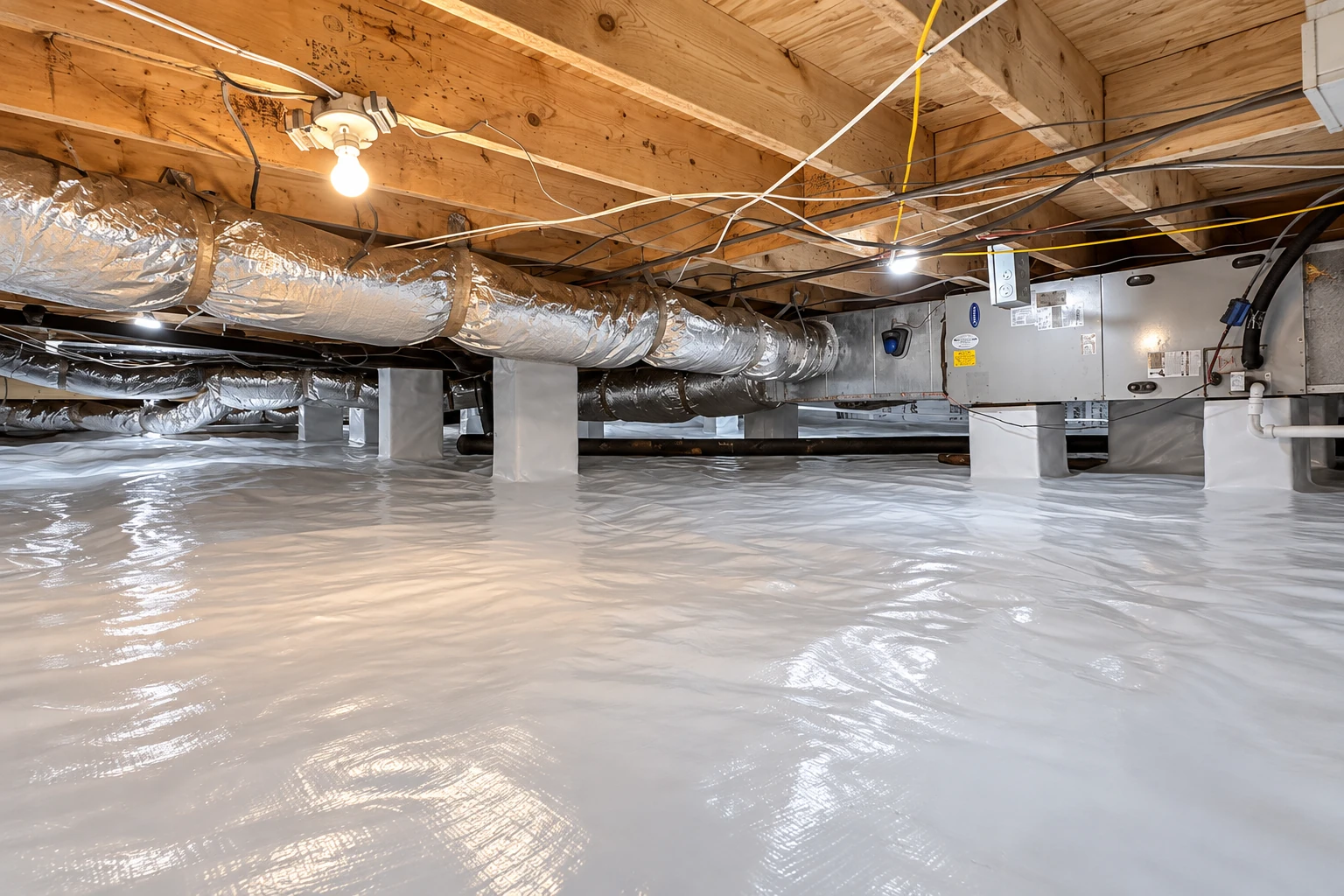
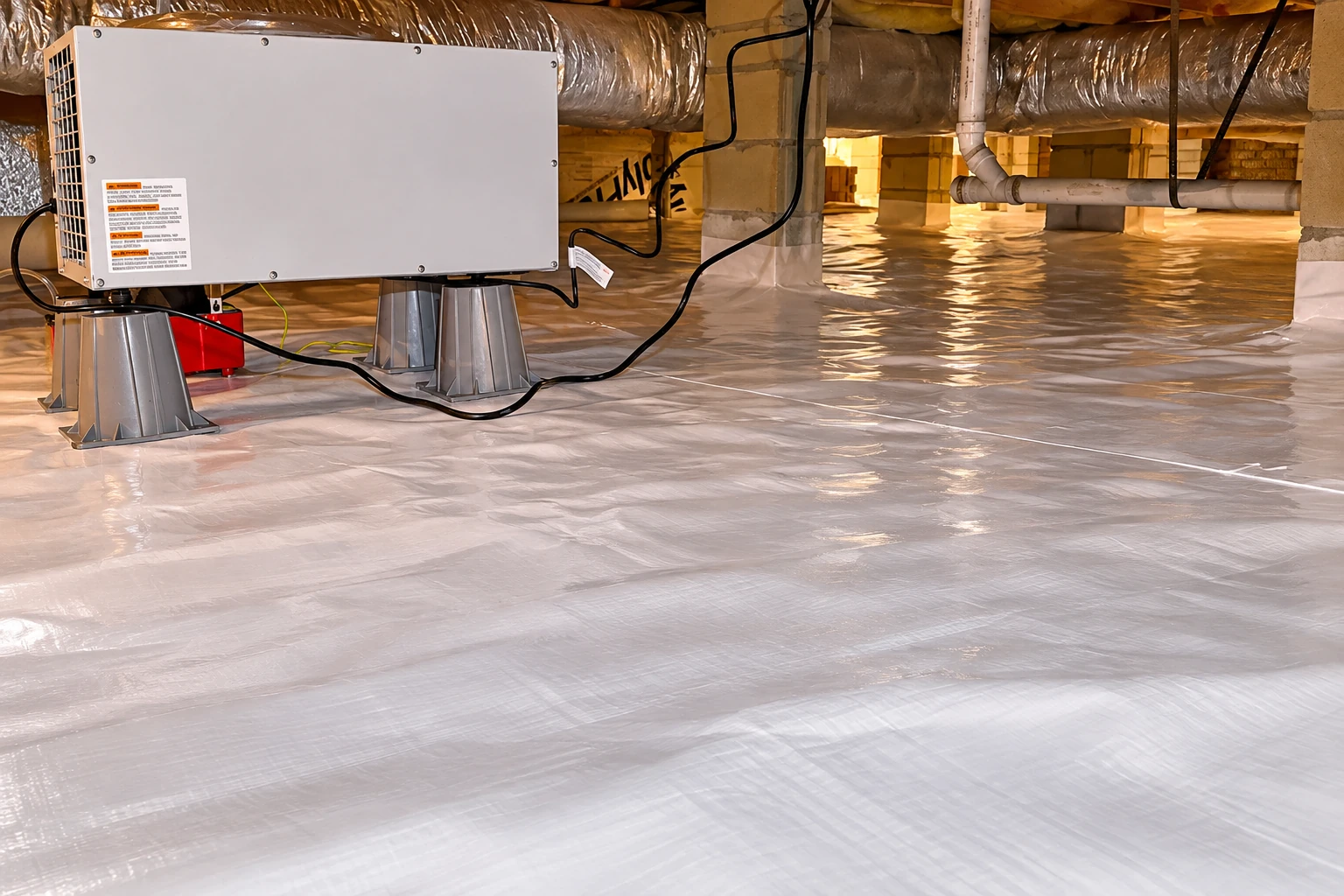
Moisture is the other half of it. Some smaller commercial buildings and older apartment buildings sit over a crawl space, and damp coming up from the dirt works against everything above it, so we also put in crawl space vapor barrier when the ground needs covering. Where the plan calls for a layer that keeps moisture out of the insulation itself, that's our vapor barrier installation work.

  • Review the roof plan with you before tear-off or recover is settled
  • Find air leaks, damp and old insulation that has to come out first
  • Seal gaps at pipes, ducts, curbs and hatches before insulating
  • Install insulation evenly, full depth at the edges and the middle
  • Keep vents clear so the space can still dry out

How the insulation fits into your roof plan

Commercial jobs have more people on them than a house does. These steps keep the roof, the insulation and the schedule pulling the same way.

  1. Measure the room the roof leaves

    We check how much height there is around rooftop equipment and at the edges, because that's usually what decides how thick the new layer can get. Better to find out at the estimate than halfway through the job.

  2. Work with the design people

    When the plan calls for an architect or engineer, we work with them so the insulation matches what they've drawn. If nobody's been called yet and the job looks like it needs one, I'll tell you at the estimate.

  3. Fit our days to the roofer's

    The roof work sets the pace, so we line our work up with the roofer's schedule instead of guessing at it. If the weather moves the roofer, it moves us too.

  4. Leave the space ready for Monday

    People work under that roof, so we cover what needs covering, keep walkways clear and clean up before we go. The building should look like it's still in use, because it is.

Get a commercial insulation estimate built around your roof plan

Call (507) 512-1787 or send the form, and we'll reply within one business day to set up a visit. I come out, look over the roof and the space under it, and write up a free on-site estimate with no obligation. Satisfaction guaranteed on every job.

(507) 512-1787

Commercial insulation questions we hear in Rochester

Does replacing a commercial roof in Rochester mean adding insulation?

Yes. Minnesota's commercial energy code requires minimum insulation levels when a roof covering is replaced, and it applies to repairs and alterations on existing buildings, not just new ones. If the work puts more load on the roof, state guidance says a design professional has to be consulted, so their time belongs in your plan and budget.

Can a commercial roof be recovered without adding insulation?

Yes. State guidance exempts a recover from the minimum insulation levels a roof replacement has to meet. The building keeps the insulation it has, and that's the trade-off to weigh before you decide.

What if there isn't enough height on the roof for more insulation?

Then the most insulation that fits goes in, as the building official approves, and the roof's insulating value can't drop as part of the replacement. Tight spots usually show up at equipment curbs, low doors, parapets and flashing, so plan them with the building official early and ask which product gives the highest insulating value per inch, since the code calls for it there.

Does a commercial reroof in Rochester need a permit?

Yes. Rochester's Community Development/Building Safety issues the building permits that commercial re-roofing needs, along with re-siding and window replacement, and you can see its side on the city's building permits page. The city's list names roofing, siding and windows, not insulation, so for our part we check with the city or county office that covers your address before work starts, and if it needs a permit, we take care of it.

Is air sealing worth it for an older commercial building?

It usually is if the building's leaky, and usually isn't if it's already tight. A federal evaluation found automated air sealing, sealant put in by equipment instead of by hand, can be cost-effective on energy savings alone in leaky buildings in cold climates, and it's best suited to new construction or a gut retrofit. In finished spaces it costs more and needs extra prep to cover surfaces and move furniture, so I look for where the air's actually getting out before recommending anything.

Commercial roof work in Rochester and nearby

In Rochester the state code and the city's permits meet on the roof. Minnesota's current commercial energy code covers commercial buildings here, and it also covers residential buildings four stories and up, so a larger apartment building follows the same roof insulation rules as an office. The city's permit and inspection rule for re-roofing applied to multi-family properties first and now covers houses too, so an apartment reroof here comes with a permit and an inspection.

We're based in Rochester and work in Byron, Stewartville, Kasson and other cities around it. The buildings we see are a mix of older flat roofs with rooftop units, small shops and apartment buildings, and the problems repeat, with gaps around equipment curbs, insulation that got wet years ago and edges where the coverage thins out.

Get the insulation into the roof plan

Have the building type, the roof's age and any rooftop equipment work handy when you call (507) 512-1787 or send the form, so the first visit covers what matters.

If a roof project is coming up on your building, call or send a message and I'll come take a look.

Tell us about your project
(507) 512-1787Get an estimate