Mon–Fri: 8 AM–11 PM, Sat–Sun: 6 AM–10 PM(507) 512-1787
J&L Rochester Insulation CompanyJ&L Rochester Insulation Company

Blown-in insulation in Rochester MN - sealed first, then covered edge to edge

Cold rooms, ice on the eaves or a power bill that keeps climbing? We seal the attic leaks, then blow in an even, dense layer.

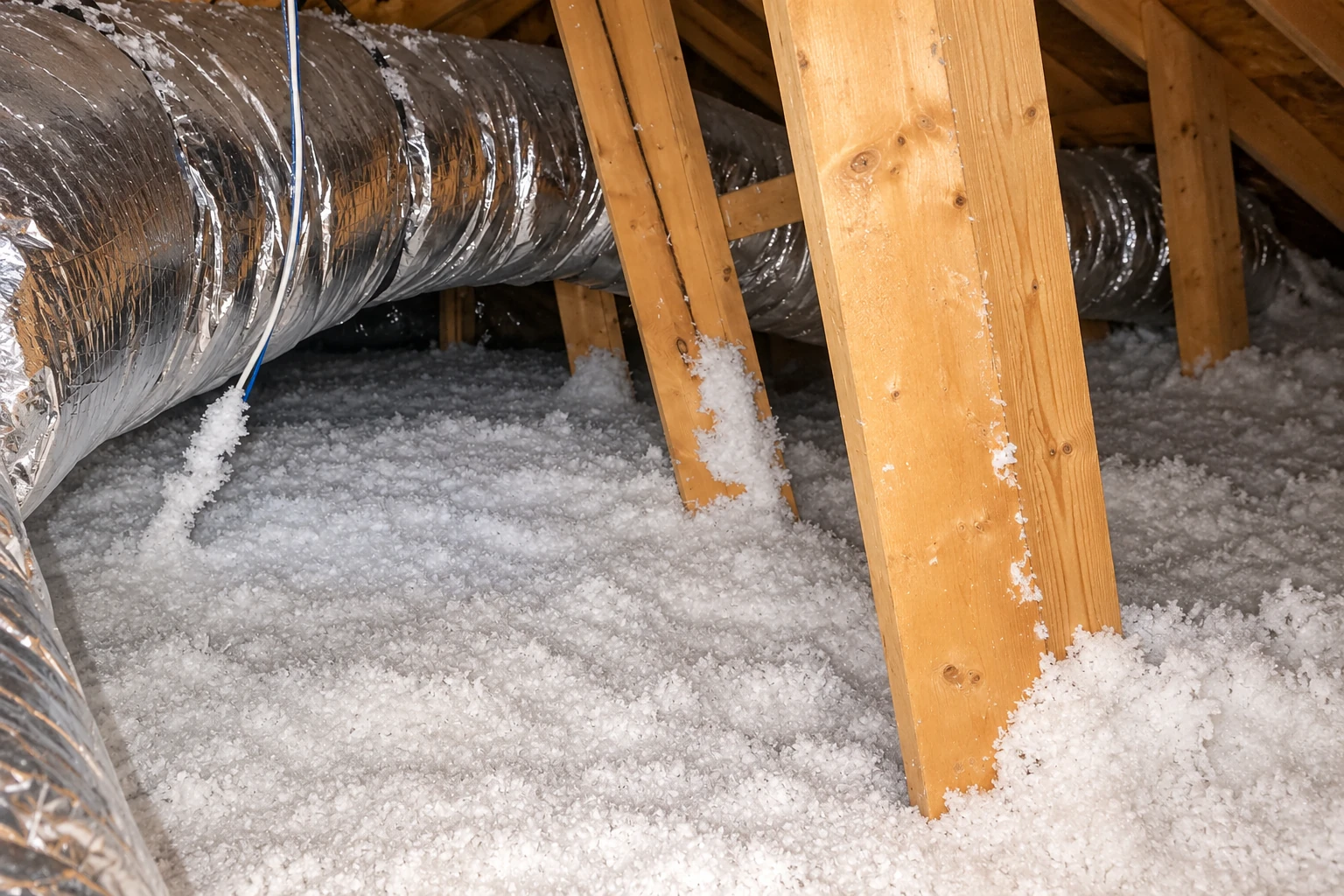
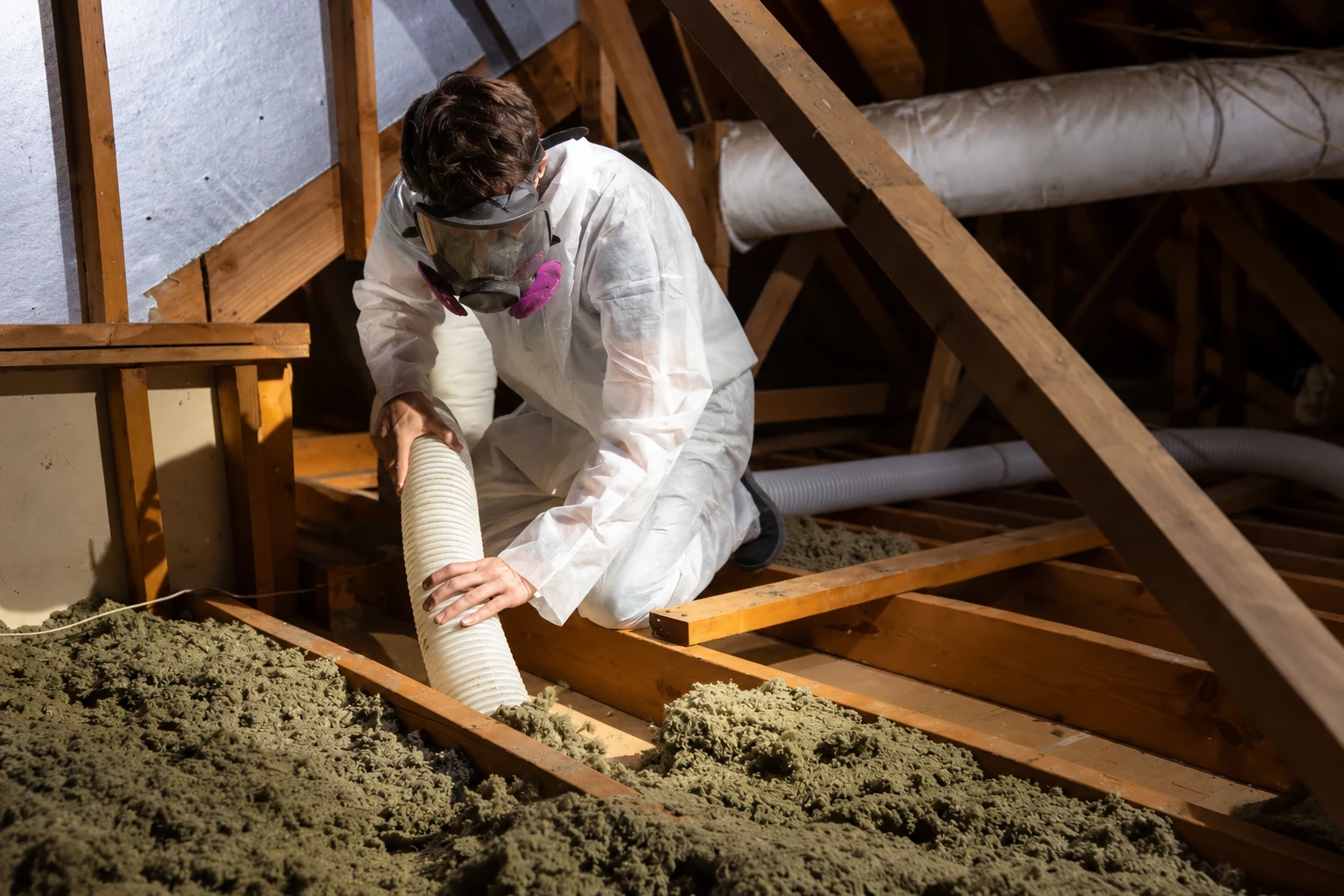
Loose-fill insulation covers an attic floor around wooden supports and a large flexible silver duct.

Is blown-in insulation the right fix for my attic?

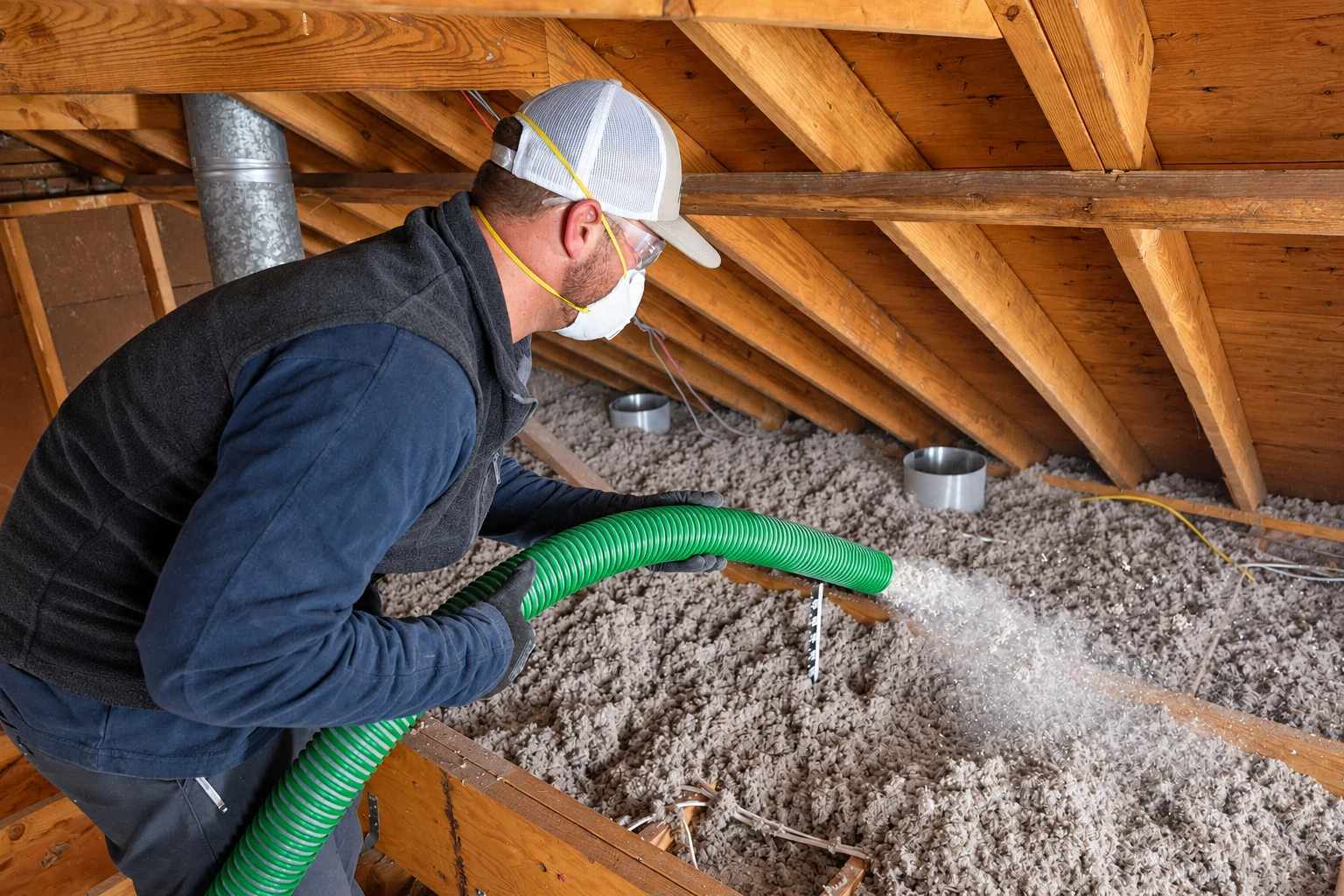
Blown-in insulation is loose fill, usually fiberglass, rock wool or cellulose, blown through a hose across your attic floor. In Rochester homes it's usually the practical way to cover the whole ceiling, including the awkward spots around framing, wires and pipes that are hard to reach any other way.

Cold rooms, ice dams and a heating bill that won't quit usually trace back to warm air slipping into the attic through gaps around lights, pipes, wiring and the hatch. Most insulation slows heat but lets air pass right through, so we do the air sealing, closing those gaps in the attic floor, before any insulation goes on. Piling fresh fill over a leak just buries it. That's an expensive way to stay cold.

The price mostly turns on how big the attic is, how many inches are already up there, how much sealing it needs and whether old insulation that's soaked or full of droppings has to come out first. The schedule turns on the same things, plus how easy the attic is to get into and whether a permit is needed. The estimate I write up after going up there gives you the figure for your house.

What happens after you call about blown-in insulation in Rochester?

You'll deal with me at the start and our crew on install day, and I'm around for both.

I go up in the attic for the estimate

I come out myself, go up in the attic or down in the crawl space, and look for air leaks, water and anything that changes the plan, like old insulation that's damp or full of droppings. You get a written estimate based on what's actually up there, from a business that's been insulating lived-in houses since 2017.

Permit checked, then our crew does the work

Once you say yes, we check with the city or county office that covers your address and take care of any permit our part of the job needs, then our install crew does the prep, the sealing and the insulation. I'm on the job to check the sealing before it gets covered up, and we walk you through what we did before we leave.

Licensed and insured, and what to ask others

We're licensed and insured. Rochester requires residential building contractors to be licensed with the State of Minnesota, and the state counts insulation among the skill areas that license covers, so it's fair to ask anyone you're comparing about theirs.

How we do blown-in insulation

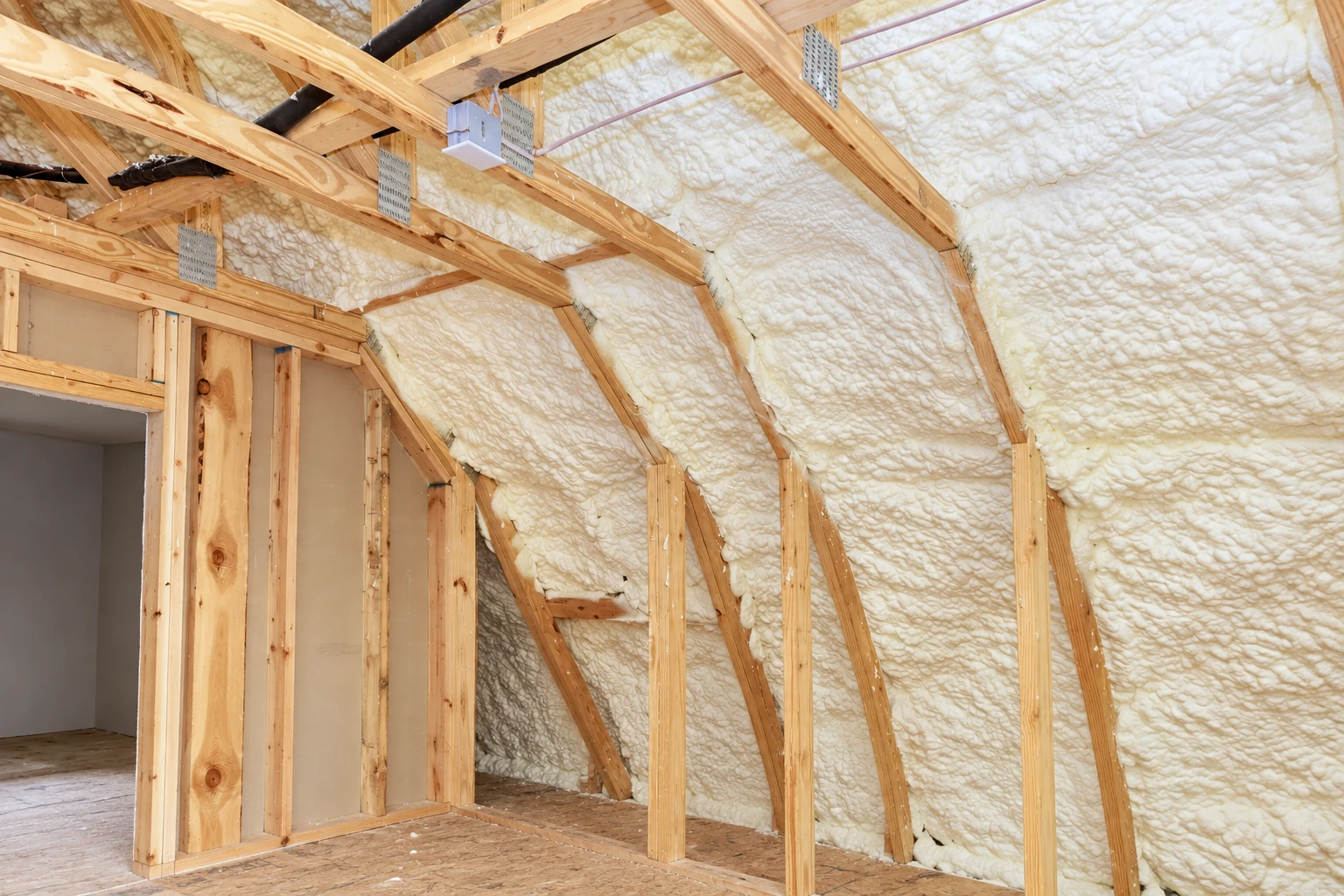
We seal first, protect the edges and anything that runs hot, then blow the insulation in and write down what went in so you know what you paid for. We blow it in dense enough that it doesn't settle into a thin blanket a few years later. If your ductwork runs through the attic, spray foam can make more sense because it seals while it insulates, but it costs more, and for most attics sealing the gaps and topping up loose fill is the better buy.

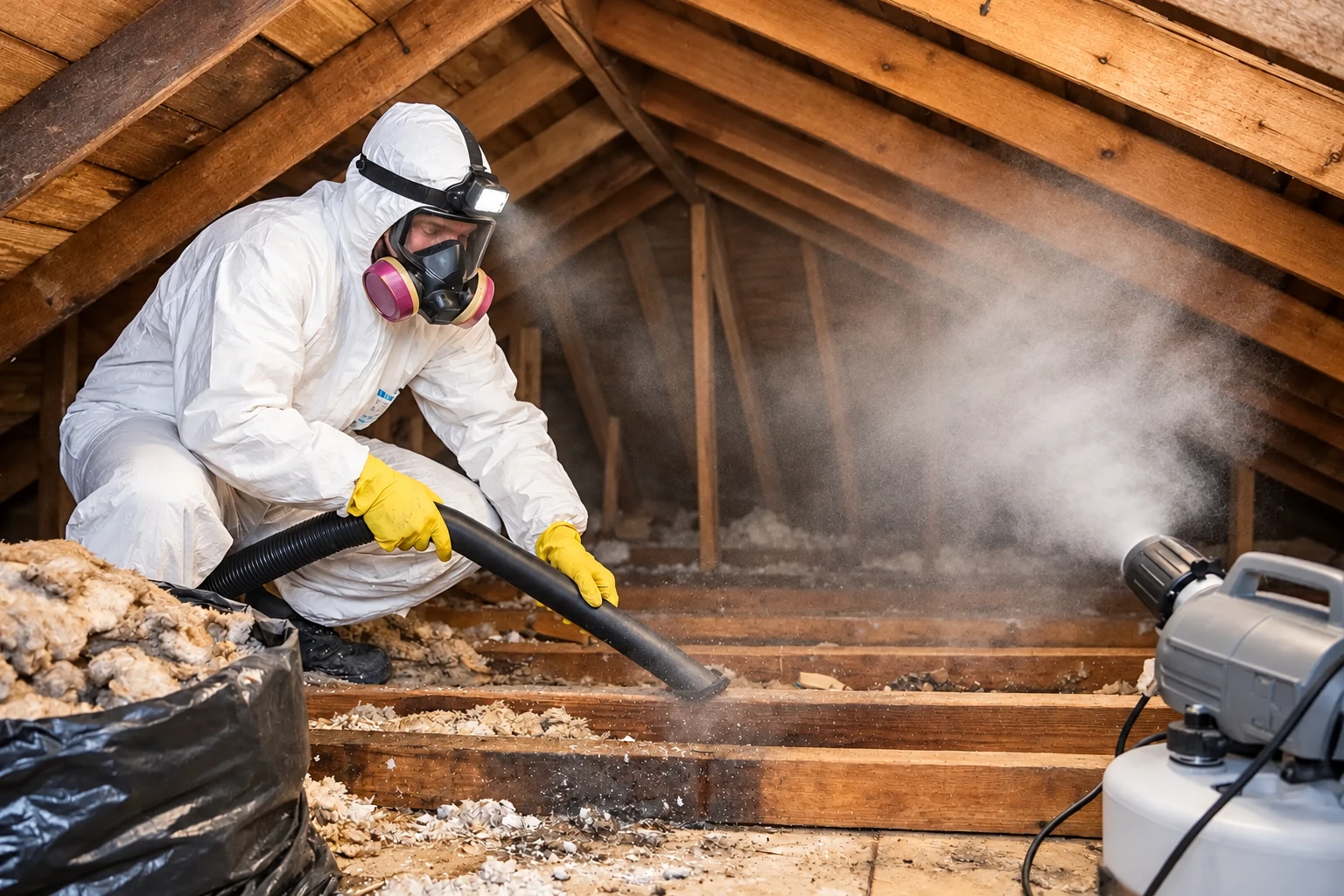
If the old insulation is soaked or full of droppings, it comes out first through our insulation removal work, because covering it keeps the problem. And if the attic is only part of why the house feels drafty, our home insulation work looks at the rest of it.

  • Air sealing of the gaps in your attic floor before any insulation goes in
  • Baffles at the eaves so the attic keeps its ventilation
  • Metal blocking around flues, chimneys and exhaust fans
  • Loose fill blown evenly out to the edges and packed dense
  • A written record of what went into your attic

What we do up there, in order

Every attic is a little different, but the order isn't, because each step protects the one after it.

  1. Check what's already there

    We measure how many inches you have and look underneath, because fresh fill over soaked or droppings-filled insulation just keeps the problem. House age tells us a lot too, since older attics tend to hide more surprises.

  2. Seal the attic floor

    We close the spots where house air gets into the attic, around wiring and plumbing holes, light fixtures, bath fans, chases and the hatch. Insulation over an open gap ends up fighting a draft it can't win.

  3. Keep the eaves open and the heat sources clear

    Baffles, short channels at the eaves, keep the vents open so the attic can breathe and the insulation doesn't spill into the eaves, and metal blocking keeps it a safe distance from flues, chimneys and fans. Long-standing guidance says only IC-rated recessed lights, the airtight kind made to be covered, belong under insulation, so we check yours.

  4. Blow it in even and dense

    We keep the depth as even as we can, from the middle all the way out over the outside walls, because a deep middle with thin edges is backward. Packing it dense keeps it from settling and opening holes later.

Get a written estimate for blown-in insulation in your attic

Send the form or call (507) 512-1787, and we'll reply within one business day to set up a visit. I'll come out, go up in the attic and write up a free on-site estimate, with no obligation to go ahead. It helps if you can tell us what style your house is, how you get into the attic and whether any recessed lights are IC-rated.

(507) 512-1787

Questions about blown-in insulation in Rochester

Is blown-in insulation cheaper than batts for an attic?

Usually, yes. The long-standing guidance is that blowing loose fill into an attic, whether fiberglass, rock wool or cellulose, costs less than laying batts and covers better, because it fills around wires and framing instead of leaving gaps between pieces. Prices vary, but when you compare quotes for the same attic, blown-in should usually come in lower.

How much does attic insulation cost in Rochester, MN?

Attic insulation in Rochester usually costs about $1,500 to $5,000 per job. That's the usual range around the area for an attic, not our price, and where your house lands depends on the things that move the price, mostly size, what's up there now and how much sealing it needs. I'll give you a figure for your attic once I've been up there.

Will blown-in insulation help with ice dams?

Usually, yes, as long as the attic gets sealed first, because sealing and insulating the attic is the best way to prevent ice dams and the damage they cause. Ice dams start when warm house air melts snow on the roof, so stopping that air keeps the roof cold. Story-and-a-half houses are the harder case, and there's more on those below.

Do I need a permit for blown-in insulation in Rochester?

The city's Community Development office is the one to ask, at 507-328-2600, and it has permit guides for homeowners. If you're doing the work yourself in a single-family home, Rochester requires you to get the permits. When we do the job, that check is on us.

Story-and-a-half houses and the cities around Rochester

Story-and-a-half houses are where ice dams like to live. The upstairs ceiling sits so close to the roof that there often isn't room for enough insulation, so we insulate what we can reach and seal everything we can find. That helps a lot, but I won't tell you it guarantees a roof with no ice dams, because in those houses it may not.

We're based in Rochester and work in Byron, Stewartville, Kasson and other cities around it. We see older houses with a few tired inches left in the attic and newer ones where the coverage went deep in the middle and thin at the edges, and both get the same fix.

See what's really in your attic

Call (507) 512-1787 or send the form, and I'll come take a look before the snow piles up and the ice dams start.

If you just want to ask something about your attic first, send it through the contact form and we'll answer.

Tell us about your project
(507) 512-1787Get an estimate