
Mon–Fri: 8 AM–11 PM, Sat–Sun: 6 AM–10 PM(507) 512-1787
J&L Rochester Insulation CompanyJ&L Rochester Insulation Company

Closed-cell foam insulation in Rochester MN - a rim joist that stays dry and sealed

Cold floors, a drafty basement or a damp spot along the foundation? We find where the cold gets in and close it with closed-cell foam.

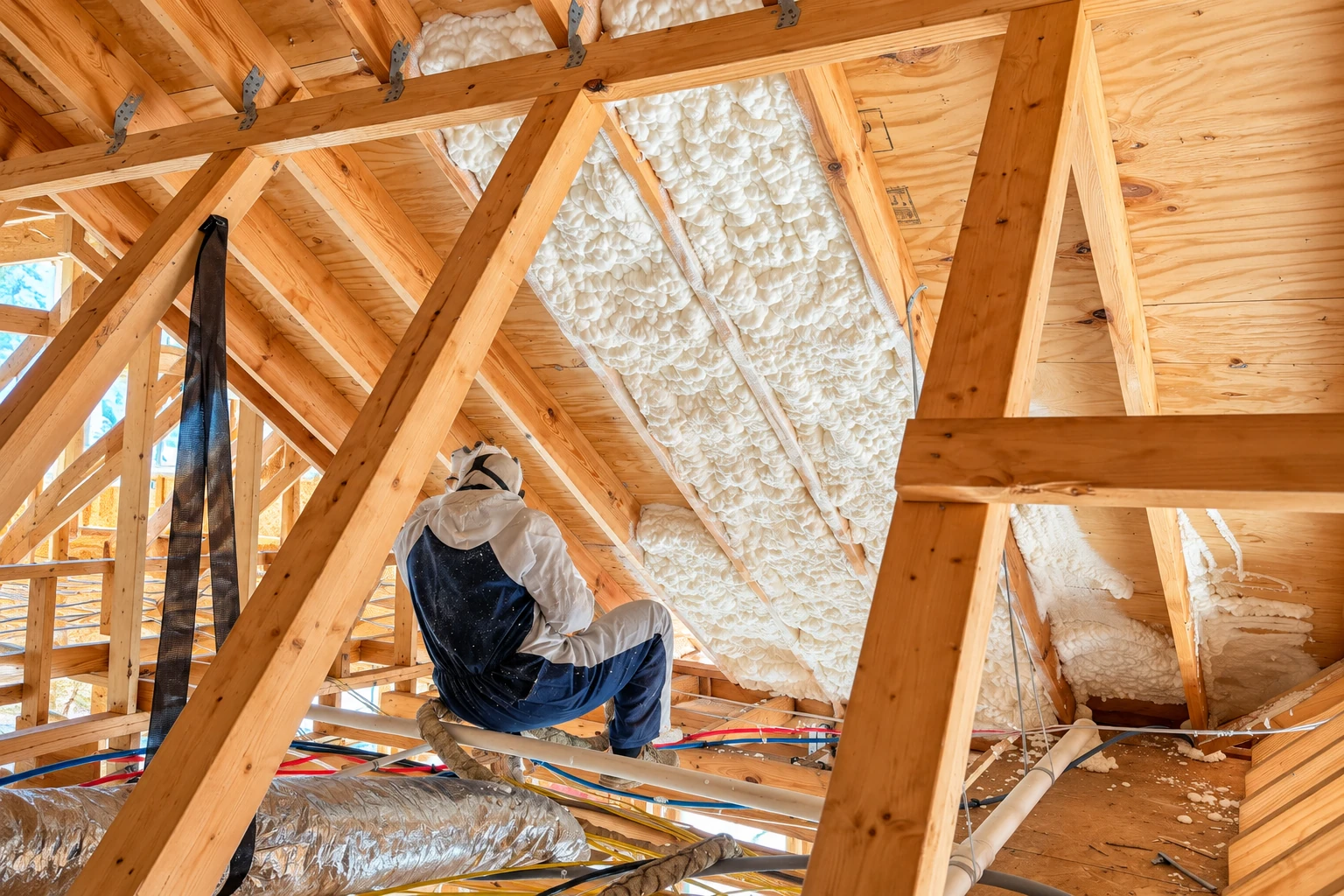
Insulation worker applies foam between exposed attic rafters, with white foam coating the roof sections.

Where does closed-cell foam make sense in a Rochester house?

Closed-cell foam insulation is a dense spray foam we use in Rochester, MN homes on cold, damp spots like the rim joist, the band of wood sitting on top of your foundation, because it's rigid, hard to crush and doesn't soak up water.

Most calls start with cold floors, a drafty basement or a musty corner where the house meets the foundation. When I get down there, it's usually a rim joist with a fiberglass batt shoved into it, which is mostly a mouse hotel with a draft. Foam fixes that kind of spot well, but it isn't the right answer everywhere, so the first job is figuring out where it belongs in your house.

The price mostly comes down to how much foam the job takes, so it moves with how many feet of rim joist or wall we cover, how thick it goes, how hard the spots are to reach and whether anything wet has to come out first. The schedule turns on a permit, if one's needed, and on a day when your household can be out while we spray. I check with the city or county office that covers your address before work starts, and if our part of the job needs a permit, we take care of it. Your own figure comes from the written estimate after I've looked.

What happens after you call us about closed-cell foam

I started J&L in 2017 to work on houses people already live in, after years of insulating new ones before the drywall went up. Here's who you'll deal with from the first call to the last walk-through.

I come out and look before I quote

When you call or send a message, we set up a visit, and I do the estimate myself. I go down in the basement or crawl space, or up in the attic, looking for air leaks, water and anything that changes the plan, then write up what I found and what I'd do about it.

Our crew sprays, and I check what gets covered

Our install crew does the work, and I'm on the job to check the parts that end up behind foam, since nobody gets a second look at those later. We're licensed and insured.

A walk-through before we leave

Once the foam's on and the area's cleaned up, we walk you through what we did and where. Satisfaction guaranteed on every job.

How we install closed-cell foam insulation, and where we hold back

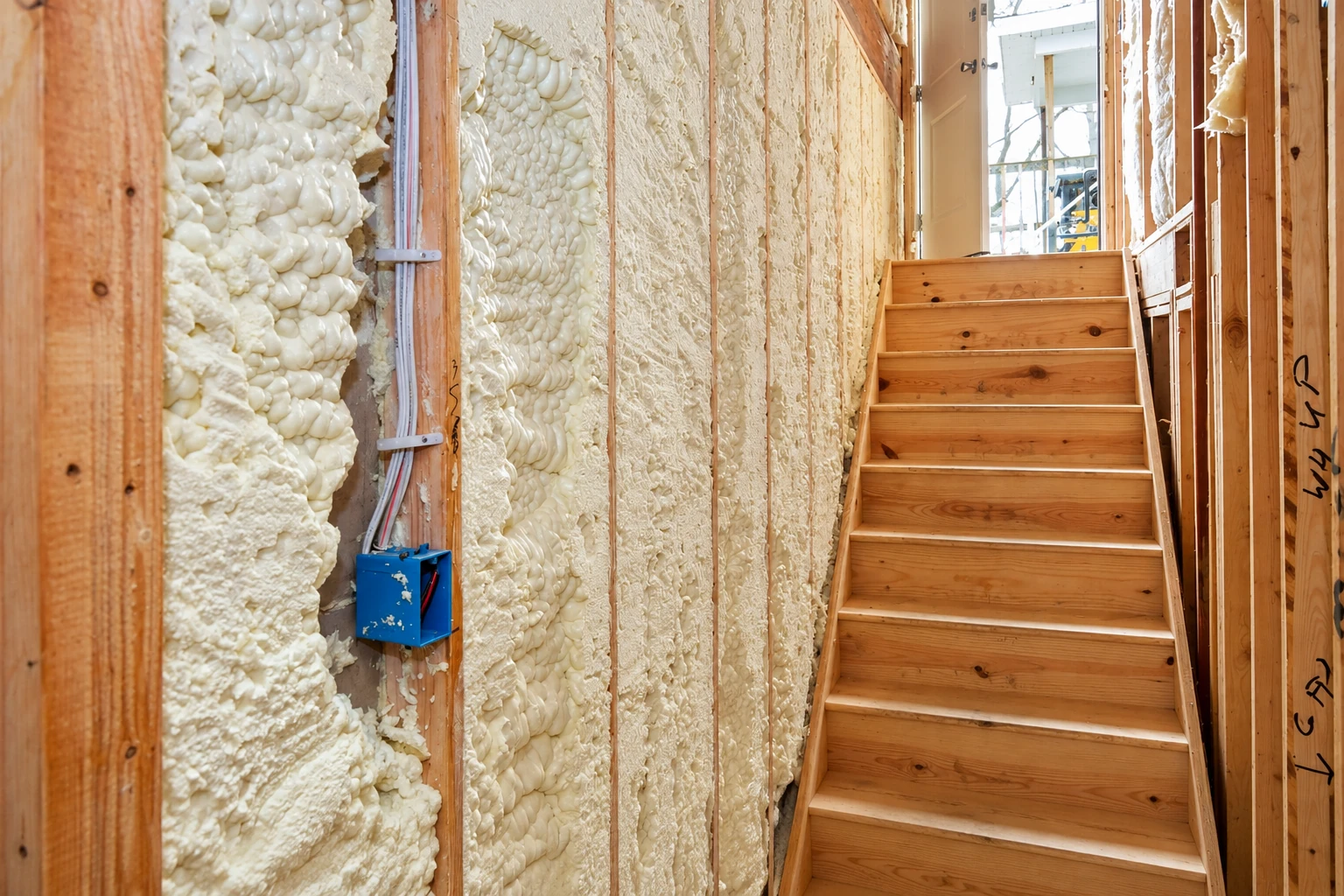
Closed-cell is our pick for cold, damp spots like the rim joist, because water doesn't soak into it. We start by finding where the cold and damp are getting in, pull out anything wet or moldy, then spray the foam right onto the wood so it seals the gaps and insulates in the same coat. The catch is that at a normal thickness it lets almost no water vapor through, so a frame wall filled with it can't dry well to the outside, and we look hard at a wall before we put foam in it. Where foam is paired with other insulation in a wall, a federal spray foam guide calls for at least 1-1/2 inches of foam, or 2 inches in climates with more than 6,000 heating degree days, a measure of how cold the winters run, so condensation doesn't form inside it.

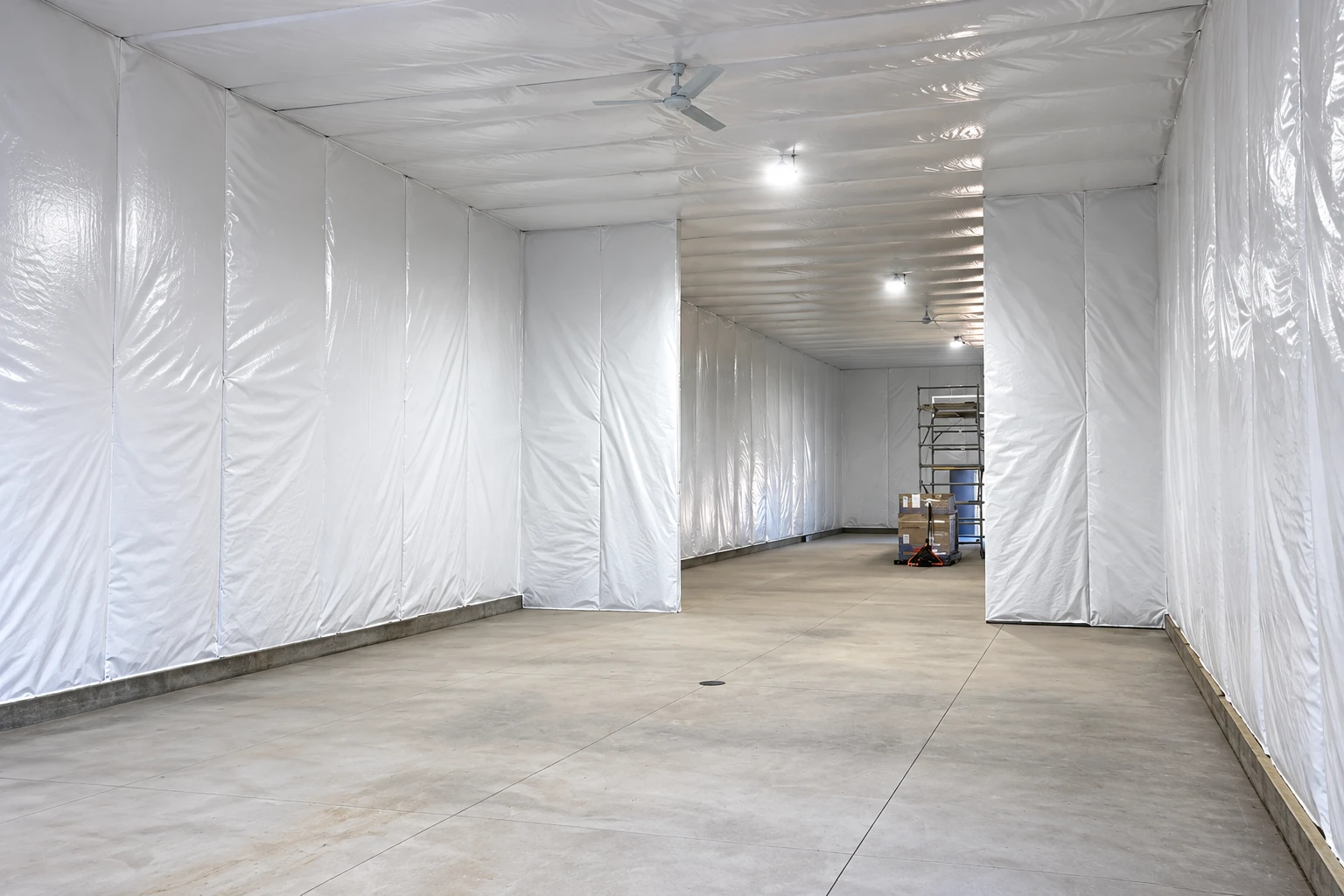
Foam also costs more than the alternatives, and in most attics sealing the gaps and topping up the loose fill does the job for less, unless your ductwork runs up there. Open-cell foam insulation is softer, but it takes 5.5 inches to stop air where closed-cell does it in 1.5, so when space is tight or water is the worry, closed-cell gets the spot. We spray the same foam in shops and other buildings as part of our commercial insulation work.

  • Rim joists in basements and crawl spaces, sealed and insulated in one pass
  • Wet, moldy or mouse-filled batts pulled out before any foam goes on
  • Gaps around pipes, wires and vents at the rim sealed as part of the job
  • Walls sprayed only where the wall can get by without drying to the outside
  • Floors and belongings covered, and the area cleaned before you come back in

From spray day to back home

Foam work runs a little differently from other insulation, mostly because of the part where you're not home.

  1. Pick a day you can be out

    We set the spray day around your plans, because the house needs to be empty while the foam goes on, for the reasons in the FAQ below. If other work is lined up, we plan around it too.

  2. Prep and check for damp

    We move what's stored along the walls and cover floors, windows and anything we can't move, because foam sticks to whatever it lands on. Then we check the wood for moisture, since foam over a wet problem just hides it.

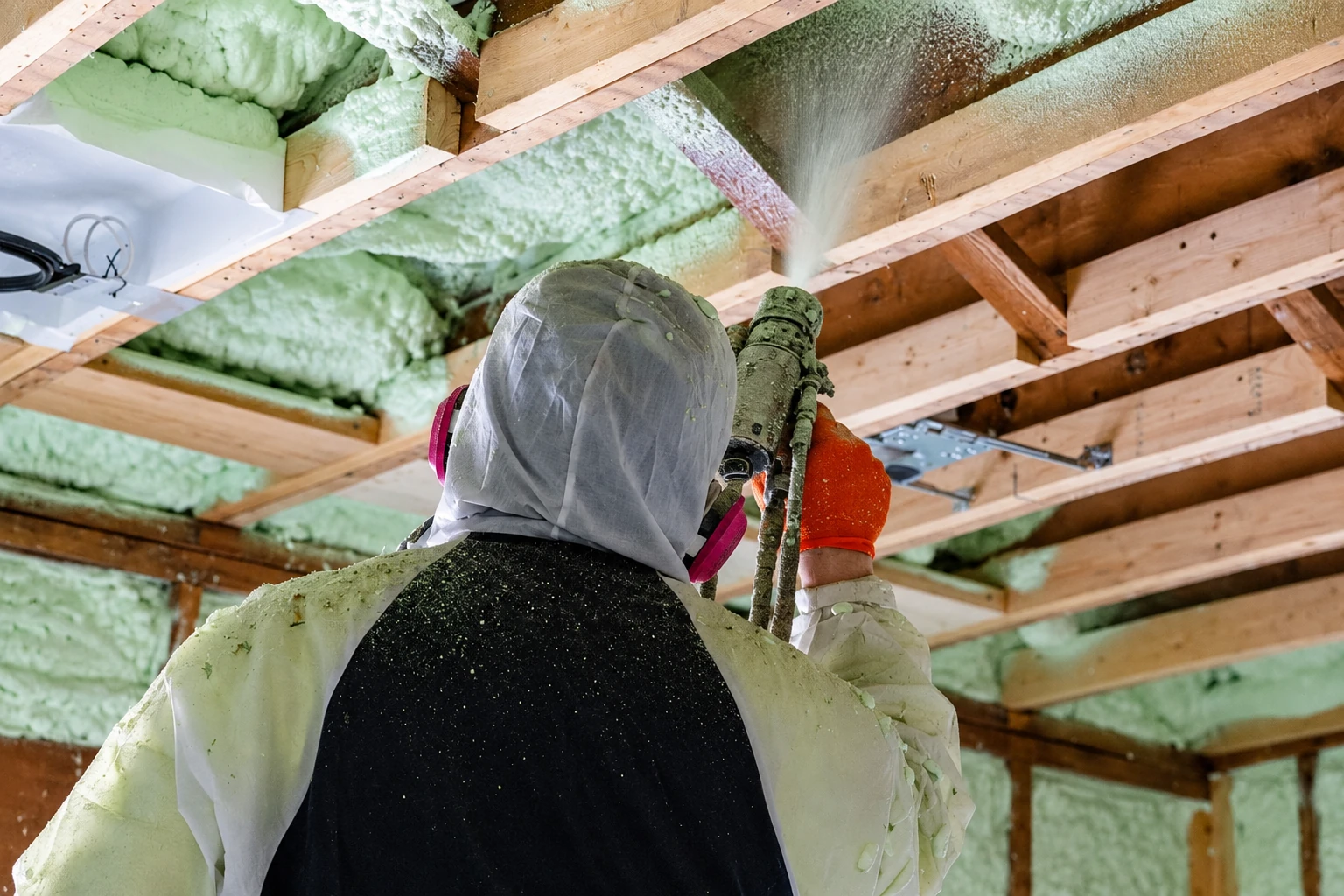
  3. Seal and spray

    Closed-cell goes on in passes rather than one thick shot, so it cures right and builds to the thickness on your estimate. We keep it clear of spots it shouldn't cover.

  4. Air it out and clean up

    Fresh air keeps moving through the space after spraying, and we trim the foam and clean up the work area. You come back in once the foam maker's re-entry time has passed.

Get a free on-site estimate for closed-cell foam

Tell us which spots are cold or damp and whether your basement walls are already insulated, since that changes how the rim joist behaves. We reply within one business day to set up a visit, the on-site estimate is free, and there's no pressure and no obligation. I come out, take a look, write it up, and you decide from there.

(507) 512-1787

Questions about closed-cell foam in Rochester

How much does closed-cell spray foam cost in Rochester, MN?

Closed-cell spray foam insulation in Rochester usually costs about $1 to $1.50 per board foot, a board foot being one square foot of foam an inch thick. That's the going rate for the foam itself, so your total depends on how much area and how many inches your job needs. I measure it on site and put your number in writing.

Will spray foam help a cold, damp rim joist?

Usually, yes, because foam keeps warm house air off the cold wood. Fiberglass batts let that air reach a surface that's freezing in winter, which is where condensation and mold start, and the risk goes up once the basement walls are insulated. If there's already water or mold there, we find out why before anything gets covered.

When can we go back in the house after spray foam insulation?

Not until the area has been fully aired out and cleaned, which is what EPA guidance says, and the exact re-entry time, the point when it's safe to come back, comes from the foam's maker. Vapors, mist and dust from the foam during and after spraying can cause asthma, lung damage and skin and eye irritation, so you, the kids and the pets stay out while we work. Ask us for that re-entry time before the job starts, and since EPA guidance also says no other trades should be in the building during spraying, book the plumber or electrician for another day.

Does an insulation contractor need a license in Minnesota?

Yes, if they do more than one kind of specialty work, because the Minnesota Department of Labor and Industry licenses contractors who offer more than one special skill and lists insulation and vapor barriers as one of them. A contractor who does only one special skill doesn't need a state license. In Rochester, though, the city code requires residential building contractors to be licensed with the state, so it's worth asking anyone you're considering.

Foam work in Rochester and the cities around it

If you're doing part of the job yourself, Rochester requires you to get your own permit for it, and whoever signs a permit is the one answering for the work meeting the rules. The city's Community Development office has permit guides and answers permit questions at 507-328-2600.

A rim joist call often turns into an attic conversation, which is the work we're best known for. Minnesota rules say attic insulation can't go in until the bypasses you can reach are sealed, a bypass being any path for air between the heated house and the attic, so that's where our attic jobs start. We're based in Rochester and do the same work in Byron, Stewartville, Kasson and other cities around it, mostly in lived-in houses with basements that have seen a few winters.

Get that cold basement looked at

We pick up until 11 PM on weekdays, so call (507) 512-1787 after work or send the form and tell us which spots are cold.

If you're not sure foam is right for that cold corner downstairs, send us a message and I'll tell you what I think.

Tell us about your project
(507) 512-1787Get an estimate