Mon–Fri: 8 AM–11 PM, Sat–Sun: 6 AM–10 PM(507) 512-1787
J&L Rochester Insulation CompanyJ&L Rochester Insulation Company

Basement insulation in Rochester MN - warmer walls, with the water dealt with first

Cold basement and a chilly floor in the room above? We deal with the damp and seal the leaks first, then insulate the walls.

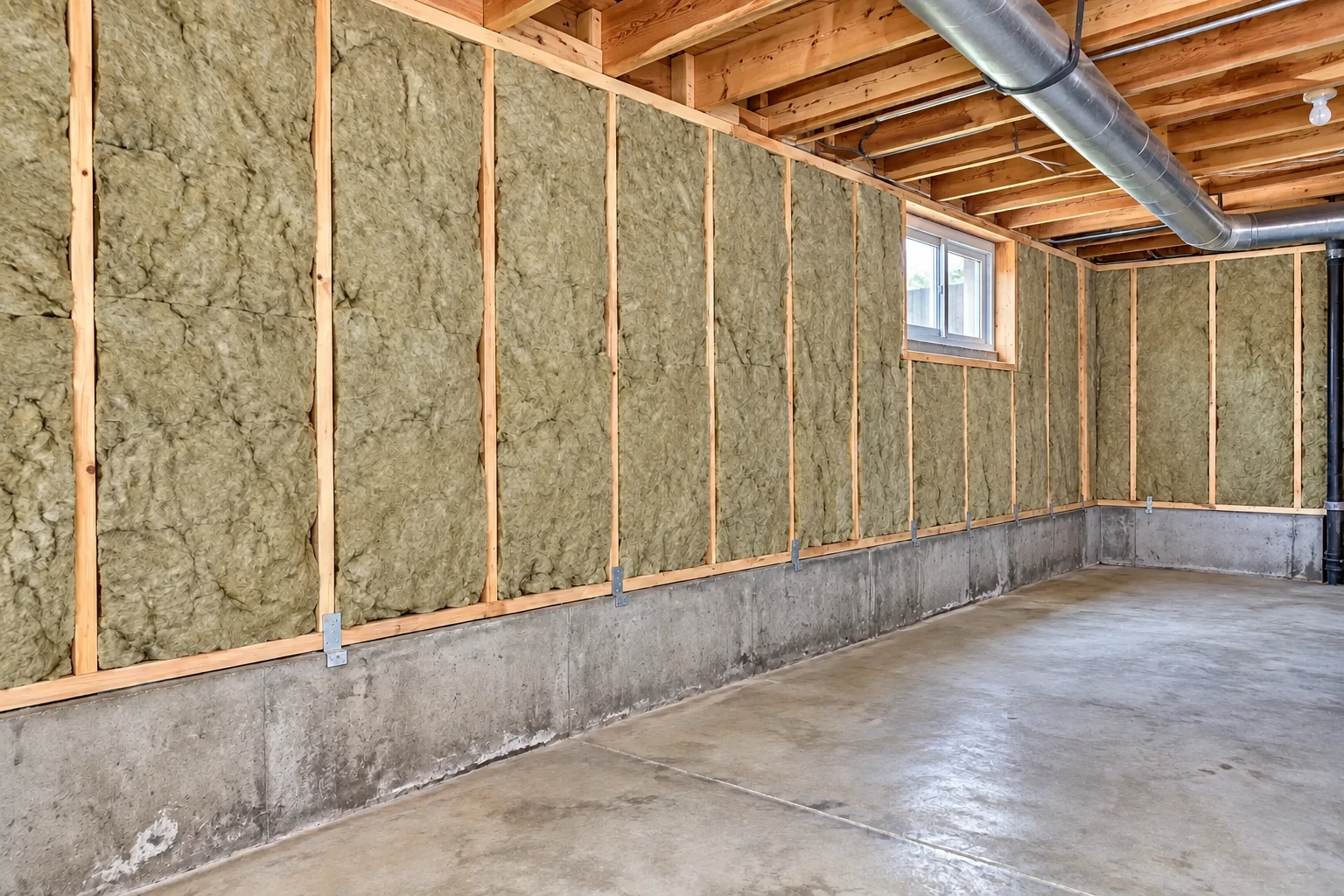
Basement with exposed concrete walls and fiberglass insulation fitted between wooden wall studs.

How do you insulate a basement in Rochester without trapping moisture?

Basement insulation in Rochester means putting insulation on the basement walls, so the basement is heated along with the rest of your house instead of leaking heat into the ground.

Most calls start the same way. The floor over the basement is cold, the basement smells a little musty, or the heating bill keeps climbing and you suspect the walls down there. Before any insulation goes up, I want to know whether water is getting in, because insulation over a damp wall just hides the problem until it shows up as mold.

The biggest things that move the price are how we insulate and what has to be fixed first. Insulating from outside means digging along the foundation, which costs a lot more than working from inside, and any water repair adds to the job and comes before the insulation. The schedule turns on the same things, plus whether a permit is needed. The estimate tells you which way we'd go on your walls, what it'll take and why.

What happens when you call about your basement?

You call or send a message, we set up a visit, and from there it goes like this.

I come out and look myself

I do the estimate in person, down in your basement, looking for damp spots, water stains, the state of the rim joist and anything else that changes the plan. You get a written estimate that says what we'd do on your walls, inside or out, and what has to happen first.

We handle the permit for our part

Once you say yes, we check with the city or county office that covers your address before work starts. If our part of the job needs a permit, we take care of it, so you're not chasing paperwork.

Our crew installs, I check what gets covered

Our install crew does the work, and I'm on the job to check the sealing and anything else that disappears behind the insulation. We've worked in lived-in homes since 2017. We're licensed and insured. Before we leave, we walk you through what we did.

What our basement insulation work covers

On a basement job, the first thing I look for is water, not insulation. If the basement's damp, that gets fixed before anything goes on the walls. Then we help you weigh digging outside against working from inside, cost and all, because one costs a lot more than the other and not every wall needs the bigger job. Once that's settled, we seal the top of the foundation wall and insulate the walls so the basement warms up with the rest of the house.

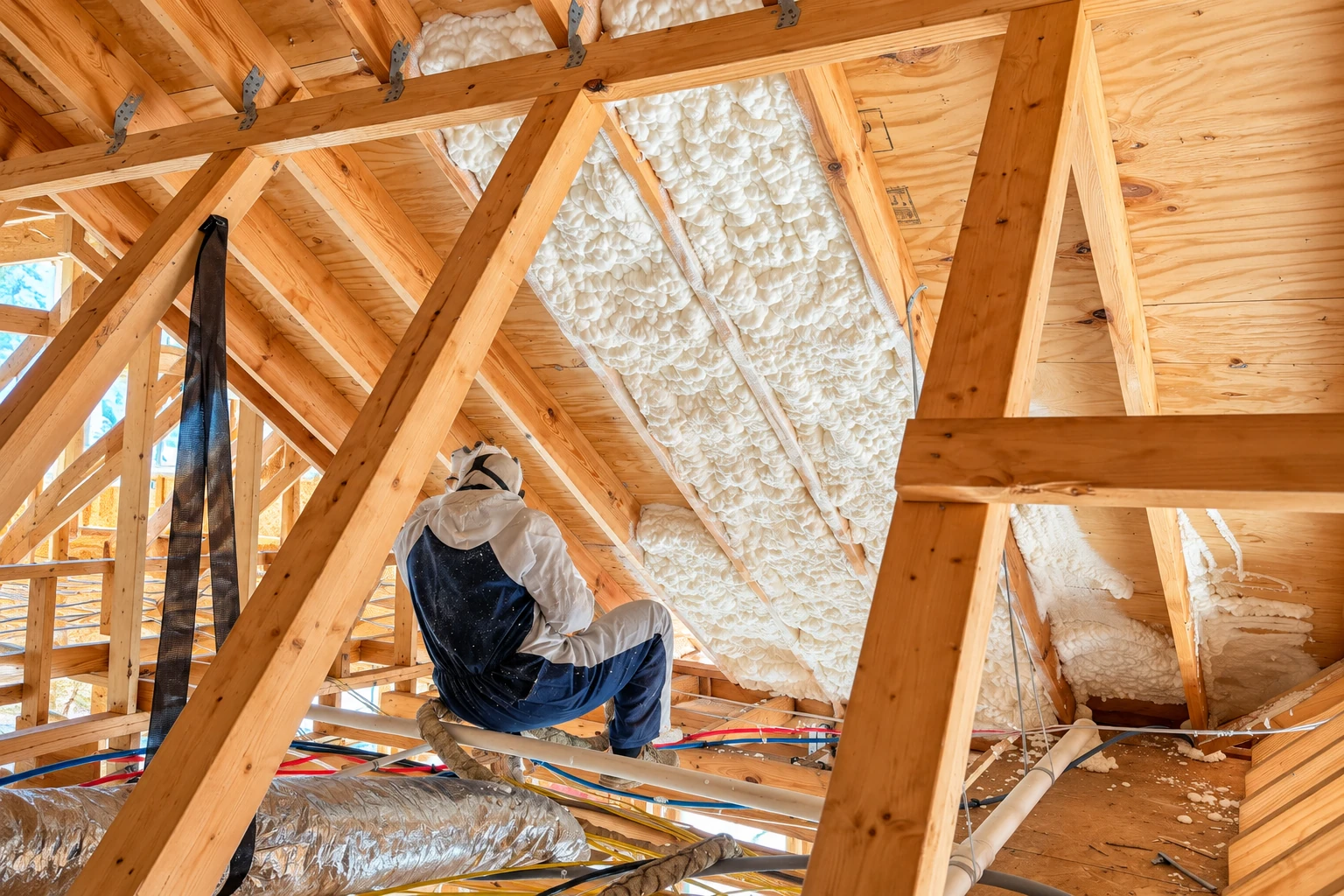
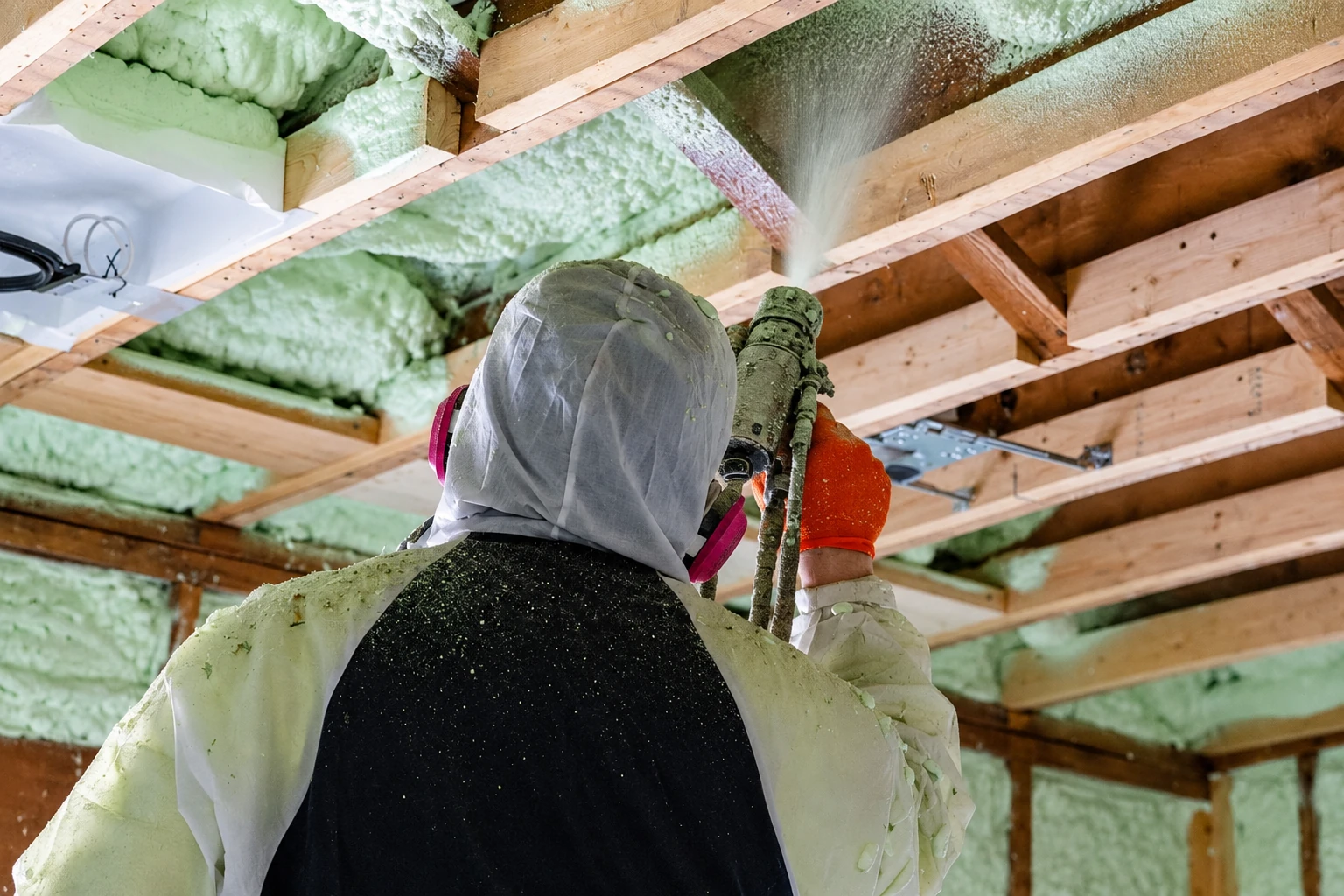
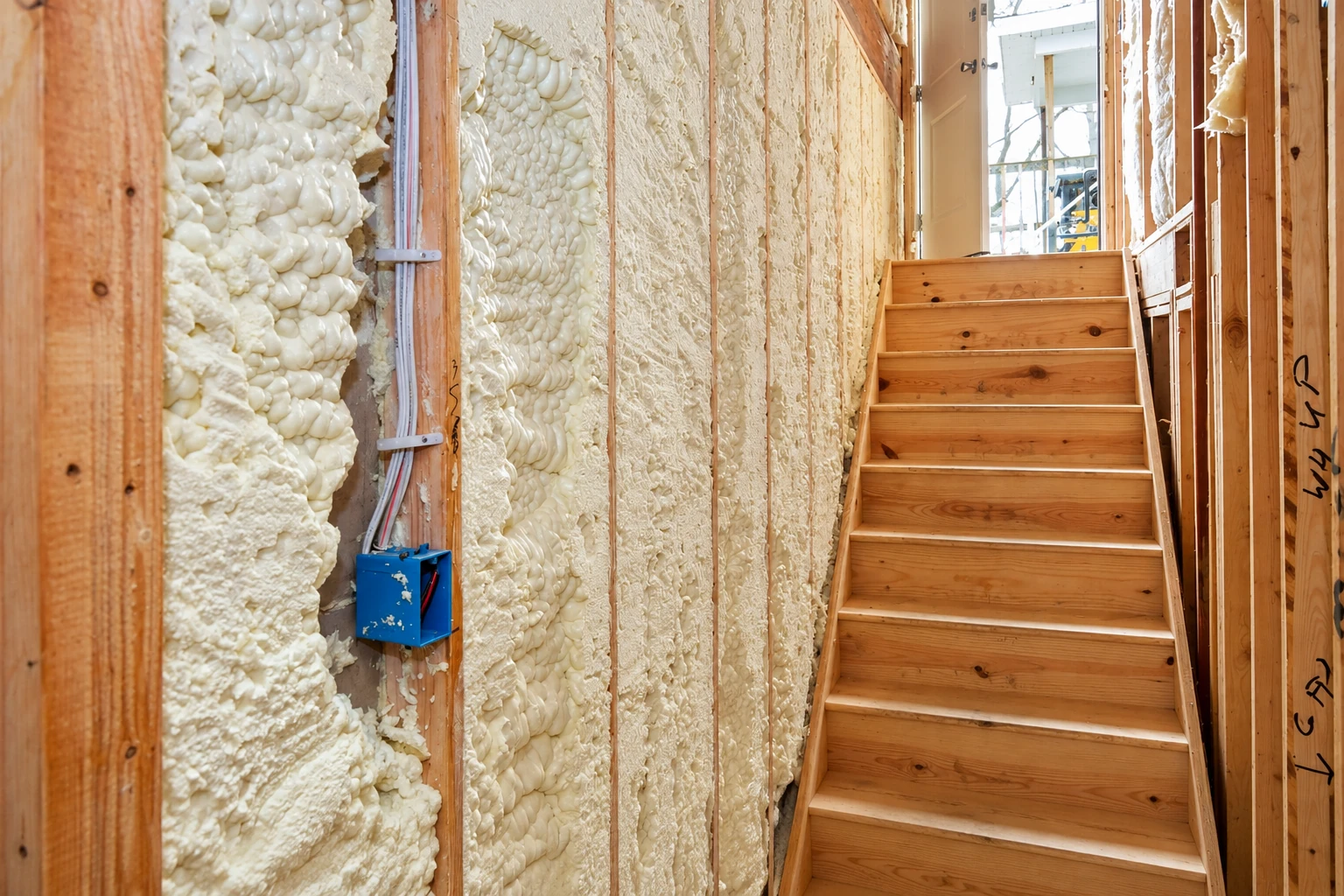
For the walls themselves we usually reach for closed-cell foam insulation, a dense foam that blocks moisture and seals air in one pass, which suits concrete and the rim joist. Foam costs more than board, so we'll tell you when board does the job just as well. Open-cell foam insulation is lighter and softer, and it does better above ground in walls and rooflines than against a basement wall.

  • A look at every wall for water getting in before we price anything
  • Water problems fixed first when the basement's damp
  • Rim joist and sill sealed so cold air stops at the top of the wall
  • Outside and inside options laid out side by side, with what each costs
  • Wall insulation sealed at the seams, edges and corners

How the work goes, in order

Each step sets up the next one, and skipping ahead is how basements end up insulated and still damp.

  1. Deal with the damp

    If water's getting in, that repair goes first, along with steering gutters and downspouts away from the foundation. Insulation over a wet wall just keeps the water company.

  2. Seal the rim joist

    The rim joist, the wood band sitting on top of the foundation, is the coldest surface in a winter basement, and fiberglass batts stuffed in there let warm indoor air reach it and sweat. We seal it and the gaps at the sill with foam cut to fit or sprayed in place, so the air stops there.

  3. Insulate the walls

    Foam board or spray foam goes on the walls with the seams, edges and corners sealed, because air slipping behind the insulation carries moisture to the cold concrete. A gap you can't see is still a gap.

  4. Leave it ready to finish

    We clean up and haul out the scraps, because it's a basement you use and not a job site. The walls are left ready for whoever frames and finishes the room.

Get an estimate for your basement walls

Tell us about your basement and we'll get back to you within one business day to set up a visit. I'll come out, look at the walls and the rim joist, and write up a free estimate, with no pressure and no obligation to go ahead. Satisfaction guaranteed on every job.

(507) 512-1787

Basement insulation questions from Rochester homeowners

Should I insulate my basement walls or the basement ceiling?

Insulate the walls. The usual guidance prefers walls over the ceiling, because even a basement you don't heat is tied more to the living space above than to the outside. Insulating the ceiling also leaves your pipes and ductwork on the cold side.

Is outside or inside insulation better for my basement in Rochester?

Outside is the method Minnesota's state guidance recommends, but it's also the expensive one, so the right choice comes down to your walls and your budget. The state's outside method digs the soil away down to the footing, seals the wall, adds drainage and puts on rigid foam, and another outside method sprays foam into a narrow trench cleared beside the wall. From inside, the state says rigid foam panels can work well on walls with a very low moisture risk, with careful sealing to cut the chance of mold. It's worth asking whether your foundation was ever sealed on the outside, because an unsealed wall can keep letting moisture in no matter what goes on inside.

Do I need a permit to insulate my own basement in Rochester?

Check with the city before you start, because Rochester requires owners and occupants of single-family homes to get permits for work they do themselves. The Permit Guides from Community Development on Rochester's building permits page show how it works. Whoever signs the permit is responsible for making sure the work meets the city's standards, so if you do it yourself, that's on you.

How much does basement insulation cost in Rochester, MN?

Insulation work in Rochester usually costs about $1 to $5 per square foot, and that's the general going rate for insulation, not a quote for your basement. Where your walls land depends on inside or outside, the material, and any water repair or rim joist sealing that comes first. The estimate gives you the figure for your own walls.

Basement insulation in Rochester and the cities around it

We're based in Rochester and work in Byron, Stewartville, Kasson and other cities around it. Most basements we see are lived in, half finished or headed that way, with a damp corner nobody's looked at in years. If you're hiring someone to frame and finish the basement as well as insulate it, check their license, because Minnesota's Department of Labor and Industry licenses residential building contractors and remodelers who offer a homeowner more than one kind of skilled work, and Rochester's city code requires residential building contractors to hold that state license. The state also requires owners to hold a license when they build or remodel their own place to sell it.

One more Rochester thing before the walls get closed in. The city's building permits page lists free radon test kits from Olmsted County Public Health among its radon resources.

Tell us where the water shows up

Call (507) 512-1787 or send us a message and mention any damp corners, stains or musty smells, so I know where to look first when I come out.

If your basement's cold or damp and you want to know what it would take, give us a call or send a message.

Tell us about your project
(507) 512-1787Get an estimate