
Mon–Fri: 8 AM–11 PM, Sat–Sun: 6 AM–10 PM(507) 512-1787
J&L Rochester Insulation CompanyJ&L Rochester Insulation Company

Vapor barrier installation in Rochester MN - one sealed sheet, not loose plastic

Musty smell or torn plastic on the crawl space dirt? We seal one continuous sheet over the floor so ground moisture stays out.

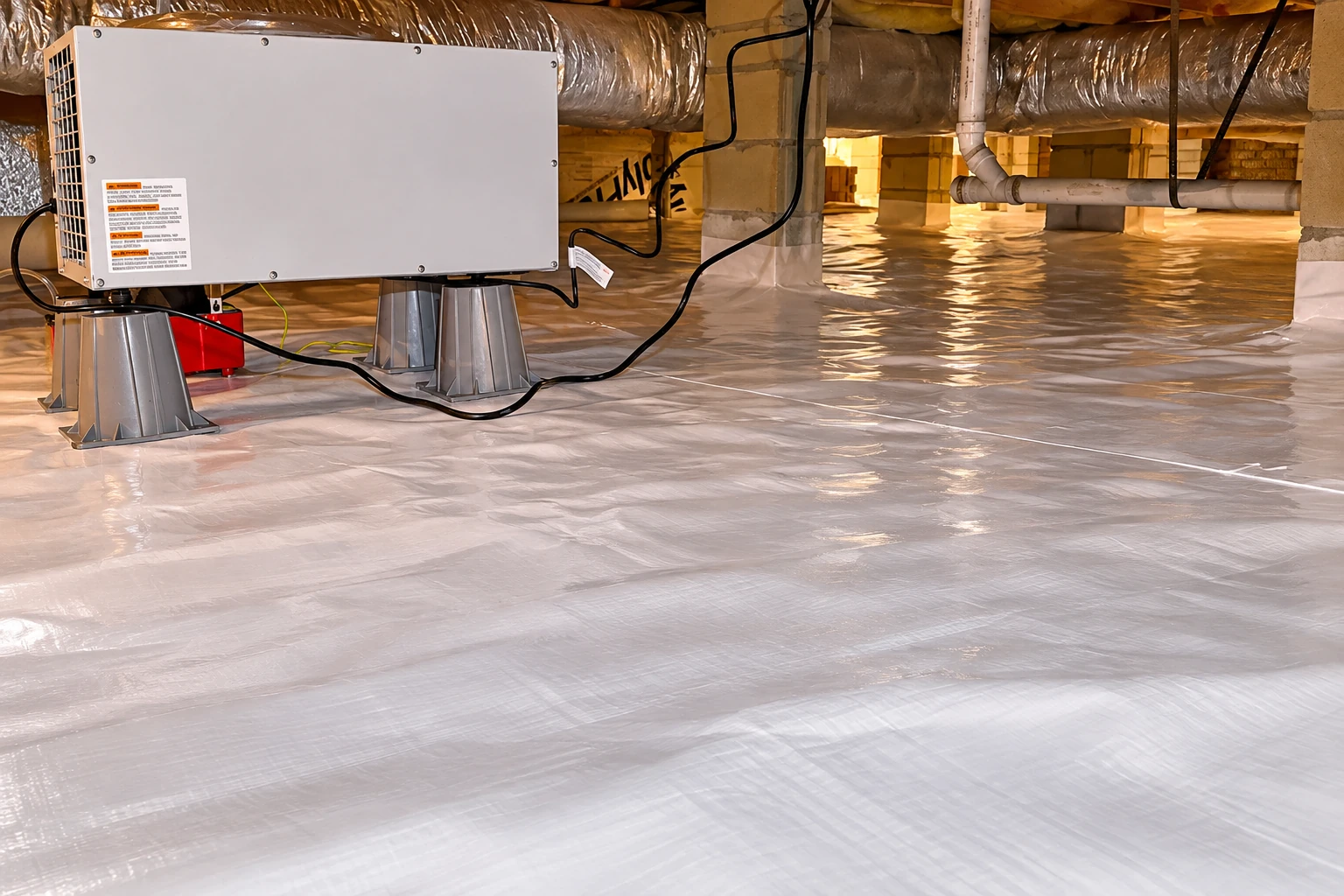
A crawl space vapor barrier covers the floor beneath ducts and pipes, beside a large white dehumidifier.

Does my crawl space need a new vapor barrier?

Vapor barrier installation in Rochester means covering the dirt floor of your crawl space with heavy polyethylene plastic sealed to the walls and piers, so water and water vapor stay out of the crawl space and less soil gas gets into the house.

We're J&L Rochester Insulation Company, based in Rochester and working in Byron, Stewartville, Kasson and other cities around it. A lot of the crawl spaces I go down into have plastic that was laid loose on the dirt years ago and has since torn, bunched up or been dragged around by whatever got stored down there. Loose pieces let moisture come up around every edge, which defeats most of the point.

The price moves with the size of the floor, how many piers we have to wrap, whether the old sheet stays or goes, and whether you want just the ground cover or a full encapsulation with a dehumidifier. The schedule mostly turns on what's waiting under the old plastic, which nobody knows until I've had a look. The estimate I write after going down there gives you the figure for your house.

What happens after you call about your crawl space?

You call (507) 512-1787 or send a message through the form, and we get back to you to set up a visit. From there, this is who you deal with.

I do the estimate myself, from inside the crawl space

I come out, go down in the crawl space and look for leaks, water, rot and anything else that changes the plan. Then I write up the estimate, so the number is for your crawl space and not a guess from the driveway.

Our crew installs, and I check the seams

Our install crew does the work, and I'm on the job to check the parts that get covered up, like the seams and the seals at the walls and piers. Before we leave, we walk you through what we did.

Working on lived-in houses since 2017

I spent my first years insulating new houses before the drywall went up, then started this business in 2017 to work on homes people already live in. We're licensed and insured. Satisfaction guaranteed on every job.

How we install a vapor barrier that stays put

We start with the old barrier, if there is one. If it's only torn, I'll tell you straight whether it's worth taping the tears and seams and fastening it back to the walls, or worth covering with a new sealed layer, which is the sturdier choice. Then our crew lays heavy polyethylene across the floor, runs it up the foundation walls and around each pier, and seals the seams and edges so it's one continuous sheet and not loose pieces on the dirt. Moisture finds the gaps between loose pieces, which is why we go to the trouble.

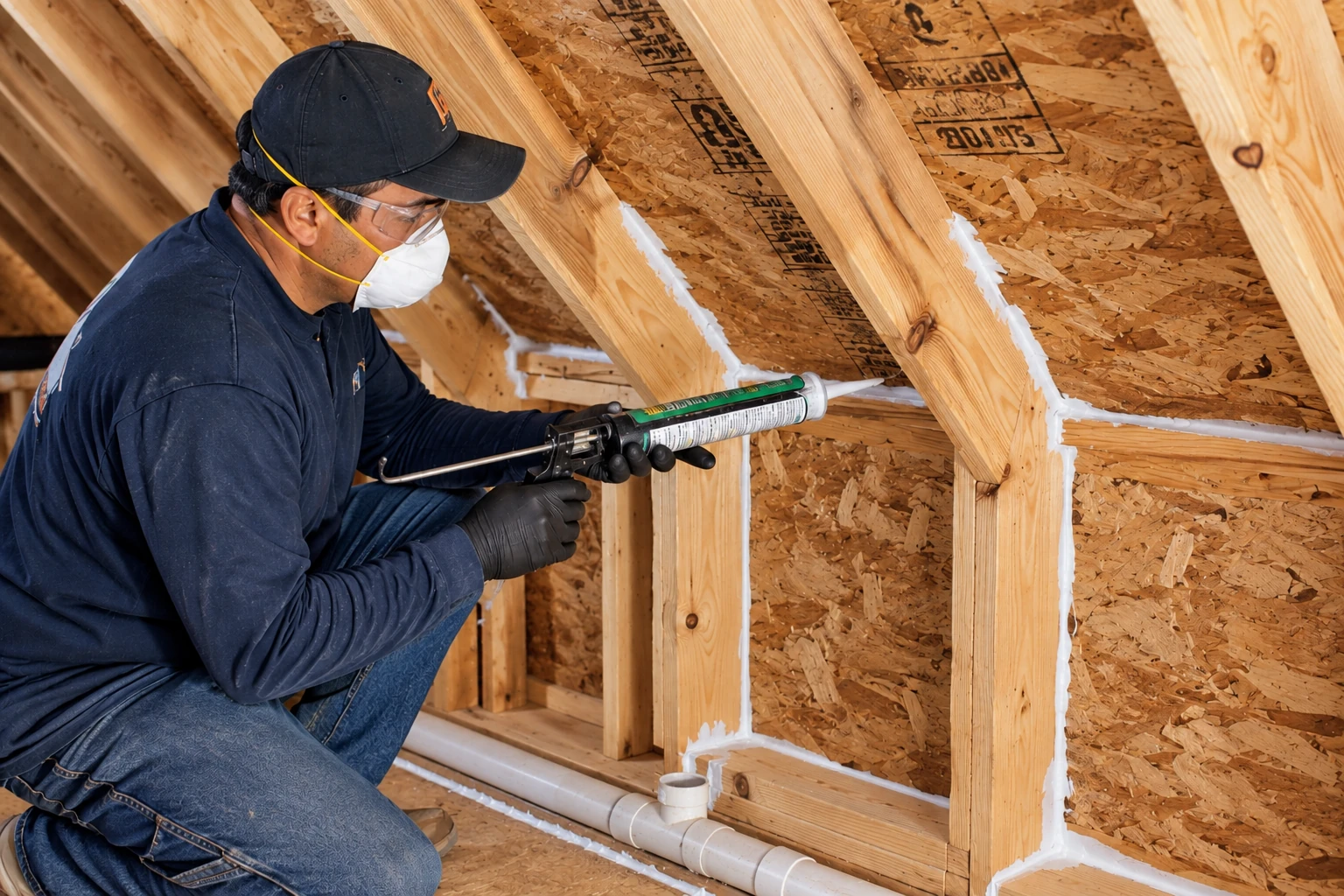
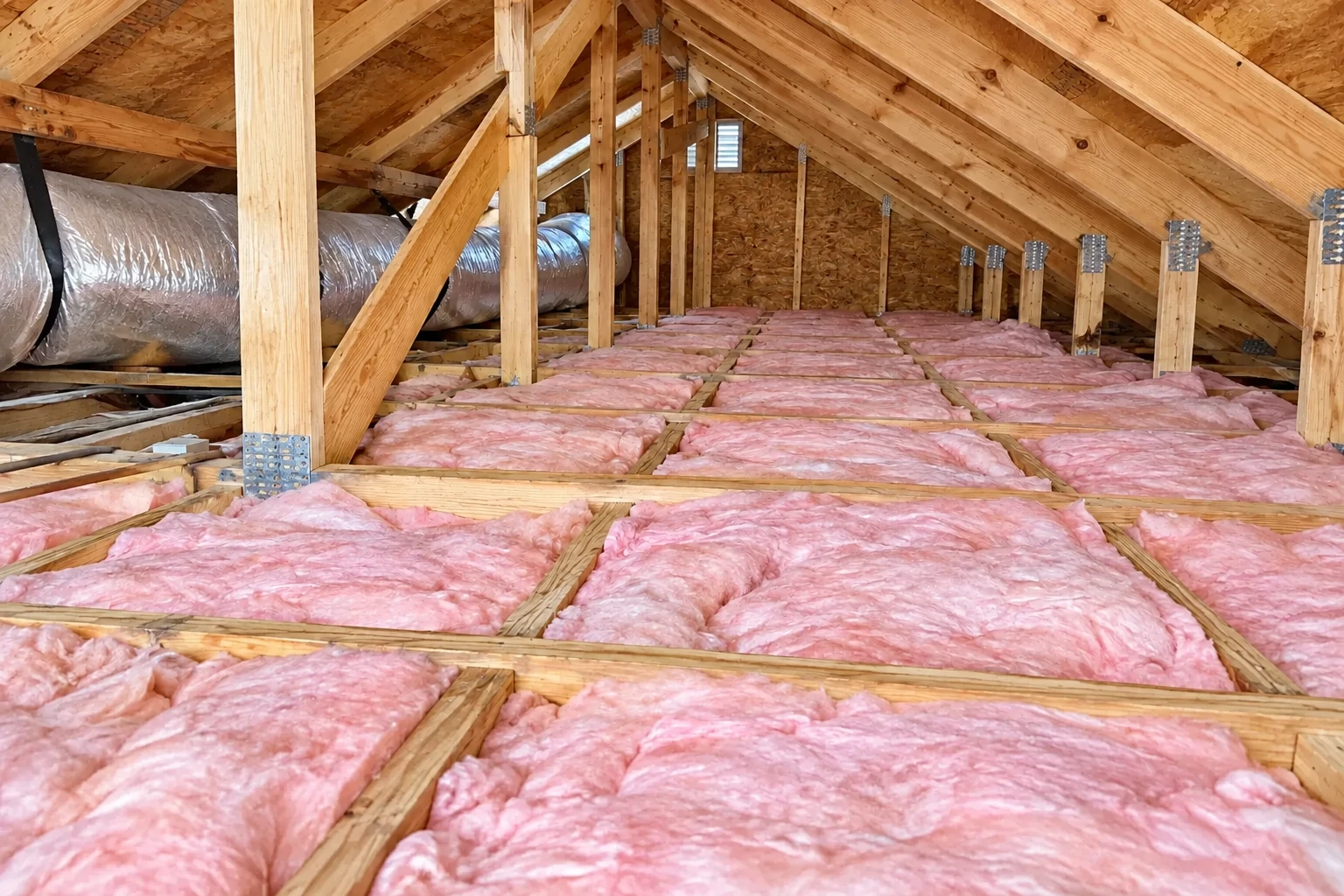
A sealed floor handles the damp coming up from the ground, but warm air leaking out the top of the house is its own problem, and attic air sealing closes those gaps so the house isn't pulling air up through the floor to replace it. If the floors over the crawl space still feel cold once it's dry, retrofit insulation adds insulation to the house you already live in.

  • Heavy polyethylene over the whole crawl space floor
  • Plastic run up the foundation walls and sealed there
  • Every pier wrapped and sealed
  • Seams lapped and taped into one continuous sheet
  • A straight answer on whether your old sheet gets taped or covered

From bare dirt to a sealed floor

Most of this job is crawling, measuring and taping. This is the order we do it in.

  1. Clear the crawl space

    You can pull out anything you've got stored down there before we arrive, which saves time and your boxes. We take out the debris so the plastic can cover the whole floor.

  2. Handle what has to come first

    Anything on the estimate that can't be covered, like standing water or rot, gets dealt with before plastic goes down. Covering a problem only makes it harder to see.

  3. Lay and seal the sheet

    Our crew puts the plastic down and seals it into one sheet the way I described above. We work from the far corner back toward the access, so nobody's crawling over fresh seams.

  4. Clean up and close the access

    We take our scraps and any old plastic with us when we go. The access gets closed up the way we found it, because someone lives in this house.

Get your crawl space vapor barrier priced on site

Send us a few details about your crawl space and we'll get back to you within one business day to set up a visit. I come out, take a look and write up a free estimate, with no obligation to go ahead. If you'd rather talk, call (507) 512-1787.

(507) 512-1787

Vapor barrier questions from Rochester homeowners

Does a vented crawl space in Rochester still need a vapor barrier?

Yes. Federal building guidance puts the plastic ground cover in vented and sealed crawl spaces alike, so either way it's a basic step to plan on. Vents move air around, but they don't put anything between the dirt and the rest of the house.

How much does crawl space encapsulation cost in Rochester, MN?

Full crawl space encapsulation in Rochester, with a 12-mil vapor barrier and a commercial dehumidifier, usually costs about $5,500 to $10,000 for a 1,500 sq ft crawl space. That's the going rate for the whole package around here, not our price, and a ground cover on its own is a smaller job than that. Your own figure comes from the estimate after I've been down there.

What has to be fixed before a vapor barrier goes in a crawl space?

Standing water, mold, rotten wood and hazardous materials should be dealt with before a new vapor barrier goes down. Plastic laid over any of them just hides the problem, which is the opposite of the point. If I find one on the estimate, that cleanup goes first in the plan.

Does a contractor need a license to install a vapor barrier in Rochester?

Rochester's city code requires residential building contractors to be licensed with the State of Minnesota, and the state requires a license for contractors and remodelers who offer you more than one special skill. If you hire the job out, ask who will sign the permit, because in Rochester that person answers for the work meeting the rules.

Permits, radon and basement walls in Rochester

Rochester has owners and occupants of single-family homes get their own permits for work they do themselves, and whether a crawl space barrier needs one is a question for the city's Community Development office, which takes questions at 507-328-2600. When we're doing the work, we check with the city or county office that covers your address before we start, and if our part of the job needs a permit, we take care of it. The city's building permits page also lists free radon test kits from Olmsted County Public Health, worth having since soil gas is part of what a sealed ground cover helps keep out.

Basement walls are a different question from the floor. Federal guidance advises against plastic sheeting on the inside of fiberglass and other fibrous insulation in basements and crawl spaces, because it can trap moisture in the wall, and for walls below ground it suggests kraft-faced fiberglass batts or latex paint on the drywall instead. Minnesota has its own rule calling for a vapor retarder on the inside of frame walls in the state's coldest zones, so if your basement walls are insulated or about to be, I sort out which applies to your walls on the estimate rather than guess at it here.

Tell us what's under your floor

Call or use the form with the crawl space's rough size, whether it's vented and any water, mold or rot you've seen, so I show up knowing what to look for first.

If you're not sure what's going on under your floor, send us a note and I'll come take a look.

Tell us about your project
(507) 512-1787Get an estimate