
You call, we set up a visit
Call (507) 512-1787 or send a message through the form, and we get back to you to pick a time. Tell us what you've noticed, like cold floors or a draft you can feel near the basement wall.
Cold floors over the basement or a draft along the sill? We seal and insulate those awkward spots with foam in one pass.
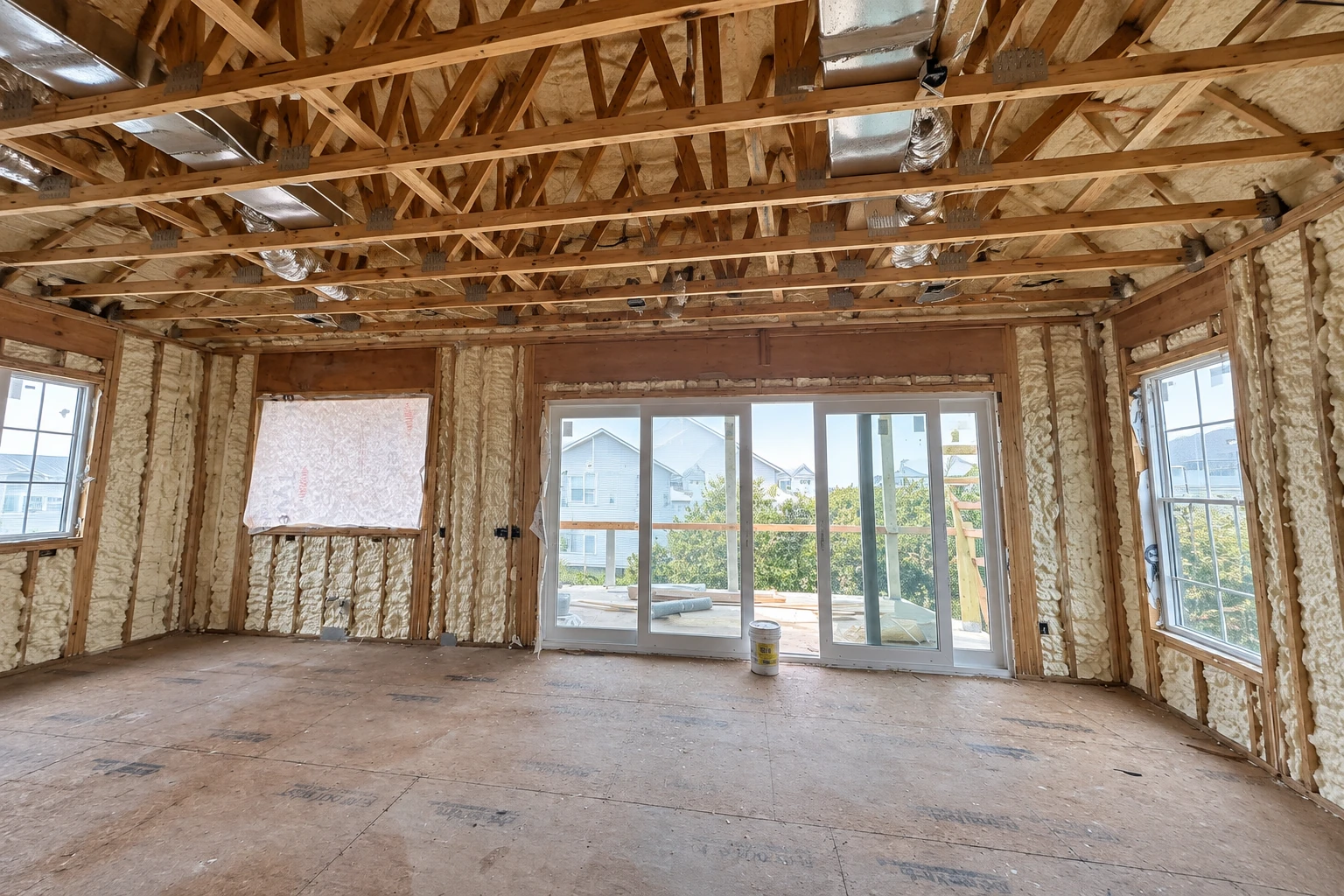
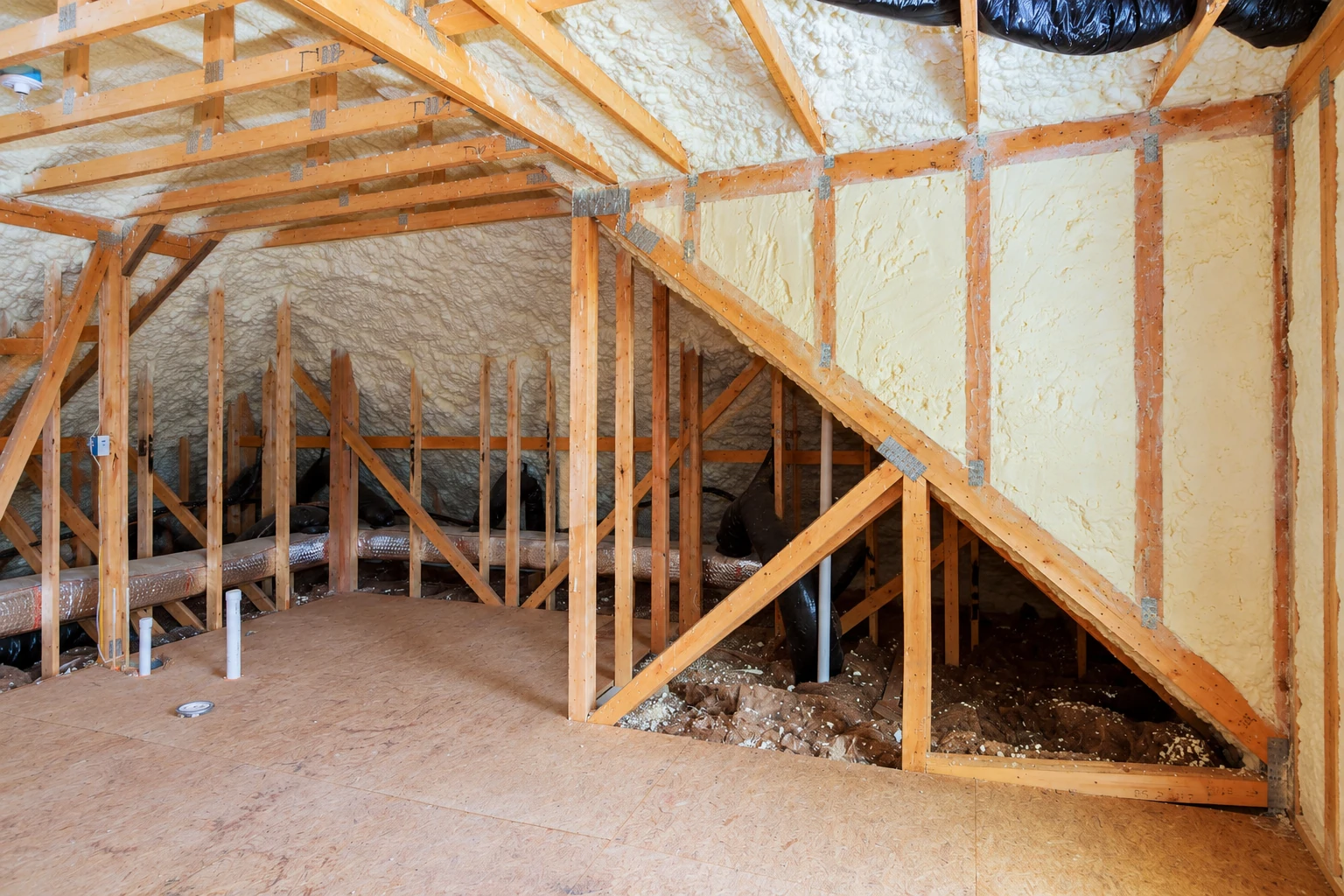
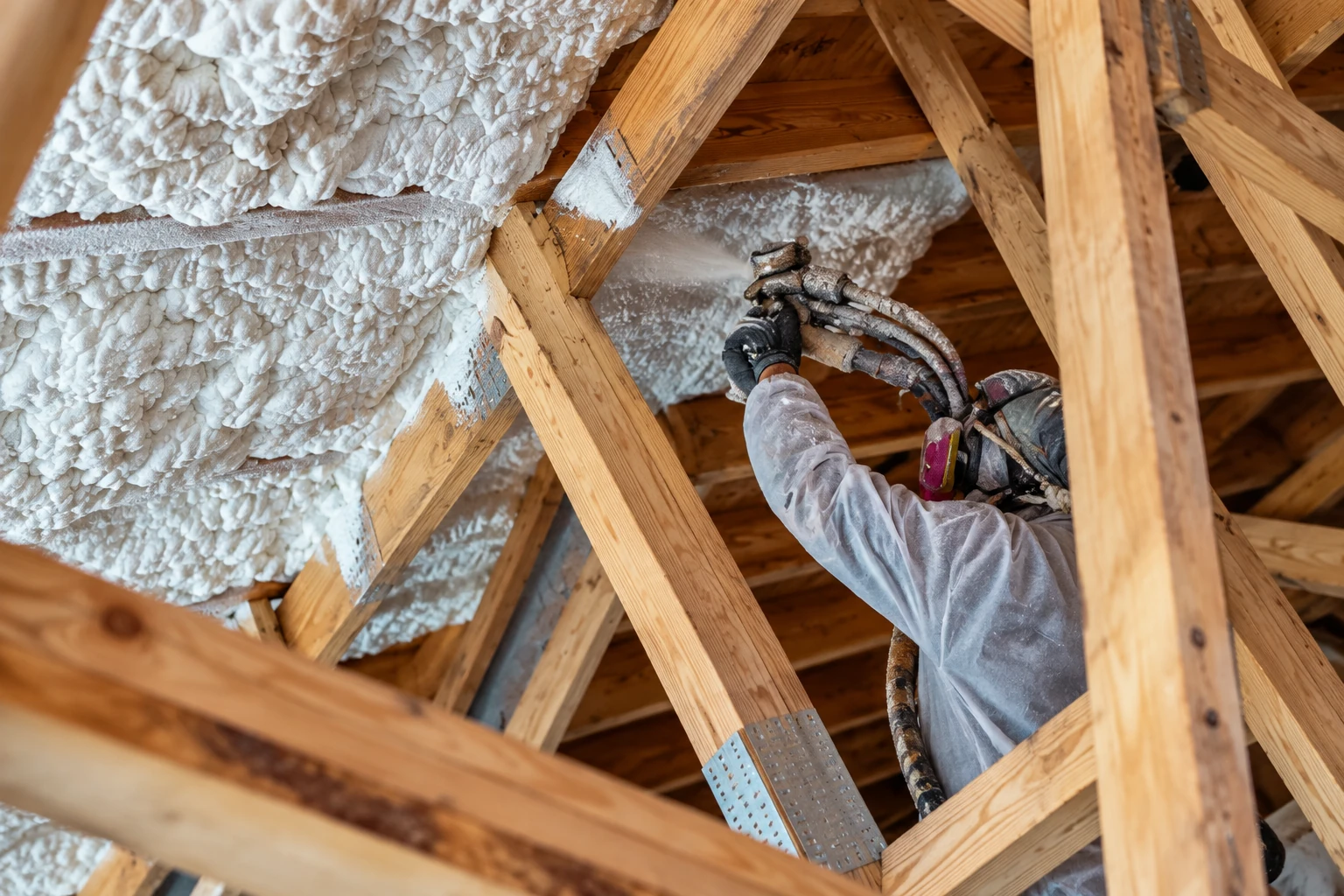
Spray foam insulation in Rochester, MN is foam sprayed straight onto the framing or foundation, where it insulates and seals air leaks in one pass, so it's the right fix for tight, awkward spots that other insulation can't fill well.
Most calls start with cold floors, a drafty basement or a power bill that keeps climbing, and a lot of that comes from the edges of the basement and the gaps around pipes and wires. Foam is good in those spots because it fills odd shapes a batt or loose fill can't, but it costs more, so I'll tell you where something simpler does the same job.
The price moves with how much surface we're spraying, how thick it goes on, which foam fits the space, and how much has to be fixed first, like damp or old insulation that has to come out. The schedule mostly turns on picking a day you can be out of the house and on any permit, and the estimate I write up after looking gives you your number.
I started J&L in 2017 to work on houses people already live in, which is a different job with more surprises than new construction. We're licensed and insured, and satisfaction is guaranteed on every job. Here's how it goes from your first call.
Call (507) 512-1787 or send a message through the form, and we get back to you to pick a time. Tell us what you've noticed, like cold floors or a draft you can feel near the basement wall.
I come out for the estimate myself, go down in the basement or crawl space, and look for leaks, water and anything else that changes the plan. Then I write it up, so you know what's going in and why.
Once you say yes, we sort out any permit, do the prep and sealing, then the foam, and walk you through what we did before we leave. Our install crew does the work, and I'm on the job to check the parts that get covered up, since nobody gets a second look after that.
We start by finding where the air and water get in, because foam over a damp wall just gives the damp a warm blanket. We fix or flag the wet spots first, seal the gaps foam won't reach, spray the tight framing and walls that need it, and clean up behind ourselves. You'll need to be out of the house while we spray, so we plan that day with you before we book it.
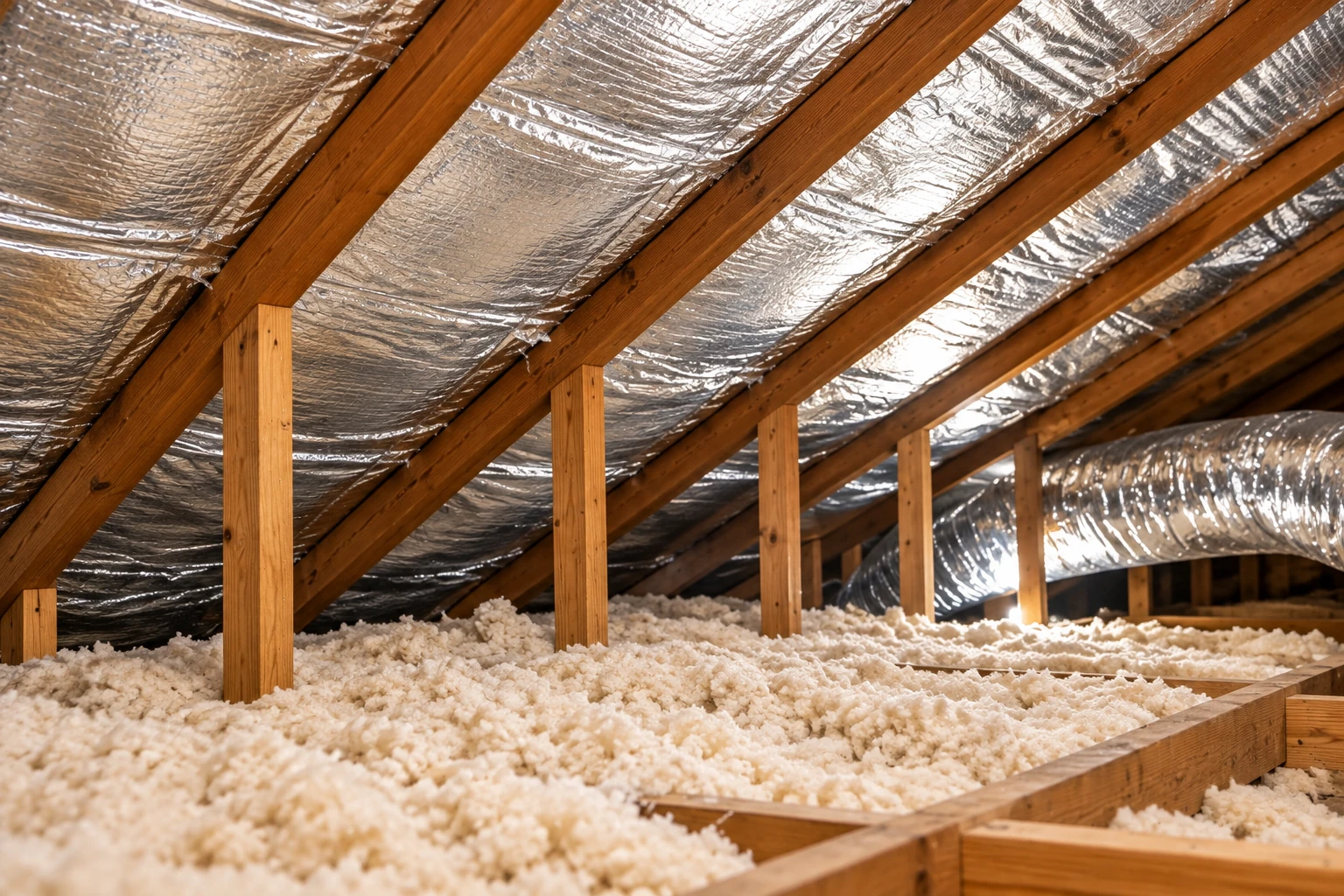
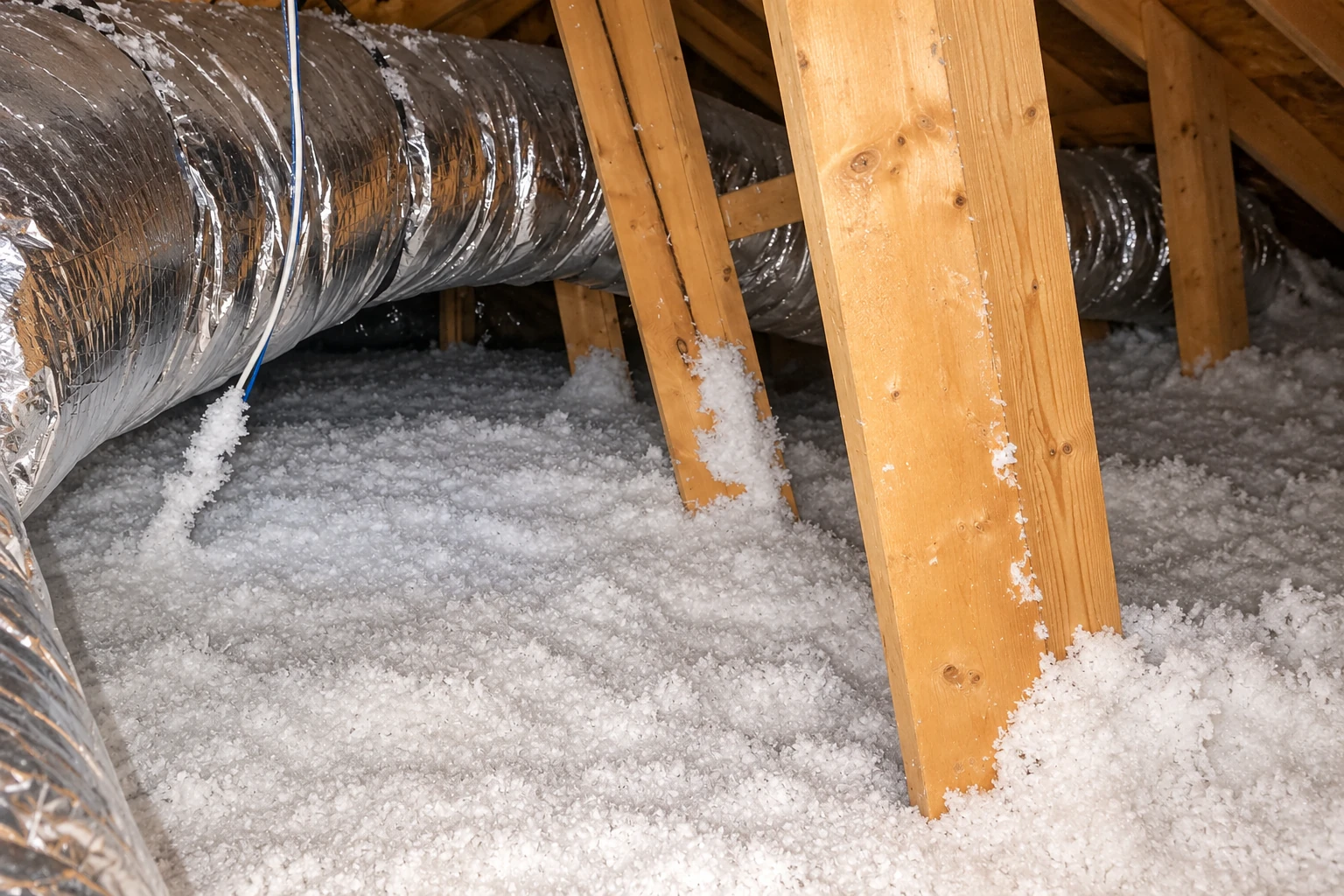
Foam costs more than loose fill, so we put it where nothing else seals and insulates as well. When the cold is coming from the top of the house, the fix is usually attic insulation, and for an attic floor that's just thin, blown-in insulation, which is loose fill blown in through a hose, is often the simpler answer.
The spraying is the part people picture. The steps around it decide whether it actually works.
We move what's in the way and cover floors, walls and anything we aren't spraying, because foam goes where it's aimed and a little farther. The less you find to clean later, the better we did.
Gaps around pipes, wires and framing joints get sealed wherever we aren't spraying, so the insulation isn't fighting a draft. That's the step that gets skipped on jobs where the room is still cold afterward.
We keep the depth even across the whole surface and check it as we go, because thick in the middle and thin at the edges is backward. The edges are where the cold gets in.
We ventilate, clean up and haul out the trimmings and tape, so the house is ready when it's time for you to come back in. Someone lives there, so we leave it that way.
Call (507) 512-1787 or send the form with the spots you want insulated and what kind of house you have, and we reply within one business day to set up a visit. The estimate is free, done on site and comes with no obligation. I come out, look the space over and write it up, and what you do with it is up to you.
(507) 512-1787Start with the rim joist, the band of wood where the house frame sits on the concrete foundation. It's the simplest and least expensive part of a basement to insulate and pays back the most, so it makes a good first project. Rigid foam cut to fit also works there if every edge and every gap around pipes, wires and vents gets sealed so moisture stays off the wood, and I'll tell you which suits your basement.
Either can work, and building science guidance says both give acceptable results, but open-cell foam lets water vapor pass through, so in the coldest climates it can need extra steps to control vapor and condensation. Closed-cell is the dense kind that blocks moisture on its own. On basement walls, Minnesota's building rules say interior spray foam goes right on the foundation wall with a gap to any framing, and open-cell there also needs a layer that slows moisture and air on the side that's warm in winter, so we'll match the foam to your space at the estimate.
Plan on being out during the spraying and for at least 24 hours after. The usual safety guidance is to talk through the safety steps with your contractor first and line up a place to stay before the job starts. That wait is your re-entry time, and we'll tell you when it's okay for everyone, kids and pets included, to come back.
Yes, if they offer more than one kind of work. The City of Rochester requires residential building contractors to be licensed with the State of Minnesota, and the state requires a license of any contractor offering more than one skill area, while a specialty contractor offering only one doesn't need it. Insulation falls under the state's interior finishing skill area, so ask any installer which skill areas they offer.
Before work starts, we check with the city or county office that covers your address, and if our part of the job needs a permit, we take care of it. The person who signs a Rochester permit answers for the work meeting the rules, so it matters who signs. If you're doing part of the job yourself, the city requires single-family owners to get permits for work they do themselves and has permit guides for that, and questions go to Rochester's Community Development Department at 507-328-2600.
We're based in Rochester and also work in Byron, Stewartville, Kasson and other cities around it. Most basements we see around here tell the same story, a cold band where the house meets the foundation and decades of gaps nobody sealed, and we do the same work wherever the house is.
If damp or old insulation has to be dealt with first, it's cheaper to find out before the foam goes on, so call (507) 512-1787 or use the form.
If you're not sure foam is the right call for your house, ask us and we'll tell you straight.
Tell us about your project