
You call, we set a visit
Call or send a message and we'll get back to you to pick a time for me to come out. Mention whether it's the attic or the walls, so I show up with the right ladder and the right questions.
Drafty rooms, a noisy room over the garage or a hot upstairs? Foam seals the leaks and insulates in the same layer.
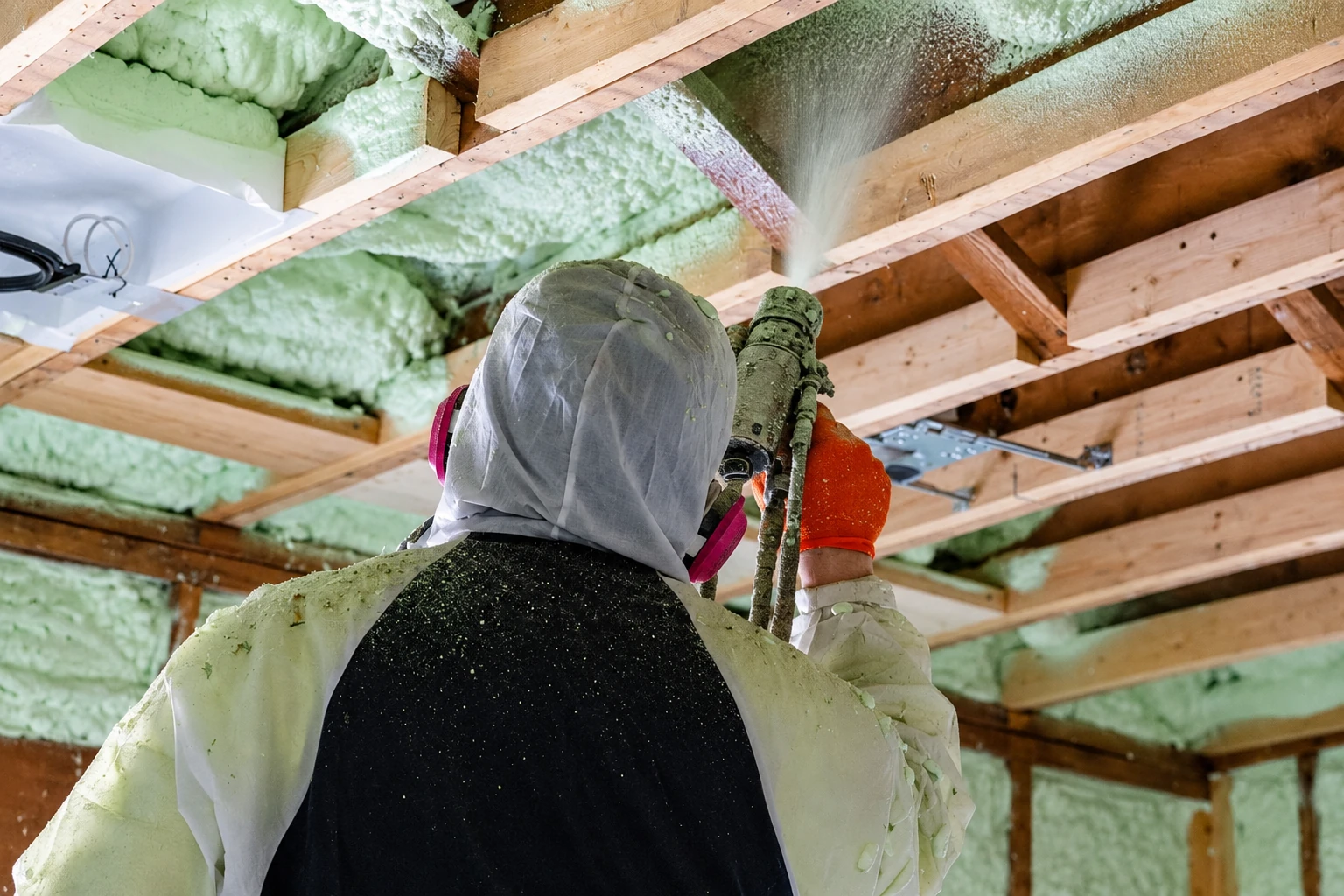
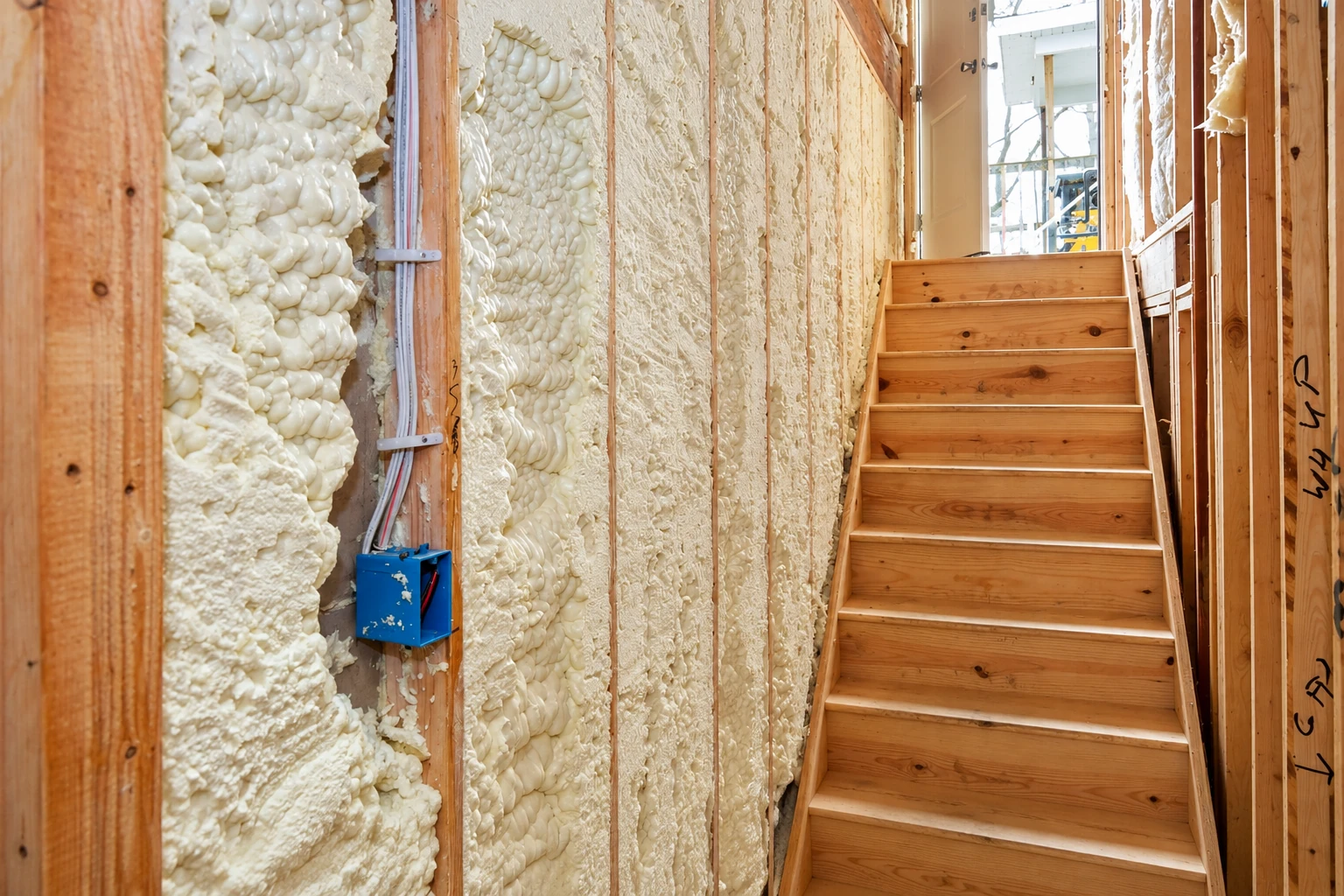
Open-cell foam insulation is spray foam that expands as it goes on, so in a Rochester, MN attic or wall it fills the gaps that leak air and insulates in the same layer.
Most calls start with a hot upstairs, a cold room over the garage or a power bill that keeps climbing. Usually the cause is air slipping out through gaps around pipes, lights and the attic hatch, with thin insulation trying to keep up against the draft. Foam goes after both at once, and the real question is whether your space has room for enough of it.
The price moves with the size of the area, whether it's an attic or walls, whether old insulation has to come out first, whether the walls and ceilings are already finished and how hard the attic is to reach. A hatch in the back of a closet costs more than a walk-up attic, mostly in crew patience. The schedule turns on that same prep, on the weather, since temperature and humidity can affect the job, and on the time you'll spend out of the house while the foam cures. Your estimate gives you your own figure once I've seen the space.
I started this business in 2017 to work on houses people already live in. We're licensed and insured. Here's how it goes from the first call.
Call or send a message and we'll get back to you to pick a time for me to come out. Mention whether it's the attic or the walls, so I show up with the right ladder and the right questions.
I do every estimate myself, up in the attic or down in the crawl space, looking for air leaks, water and anything that changes the plan. Then I write it up, so you can see what the job is and why before you decide.
Once you say yes, our install crew does the prep, the sealing and the foam. I'm on the job to check the parts that get covered up, because that's where a bad attic keeps its secrets.
Open-cell does less per inch, so it fits best where there's room to build it up. It expands to about 3 inches a layer, which means a wall gets one pass for a foam R-value, how well it slows heat, of around 11, while an attic often has room for two layers, about 6 inches and around 22. That's why we usually aim open-cell overhead. Before we spray anything, soaked or dropping-filled insulation comes out, because foam over a mess just seals the mess in. And to be fair to your wallet, a lot of attics do fine with the gaps sealed and loose fill topped up, so foam earns its place mostly when the ductwork lives up there.
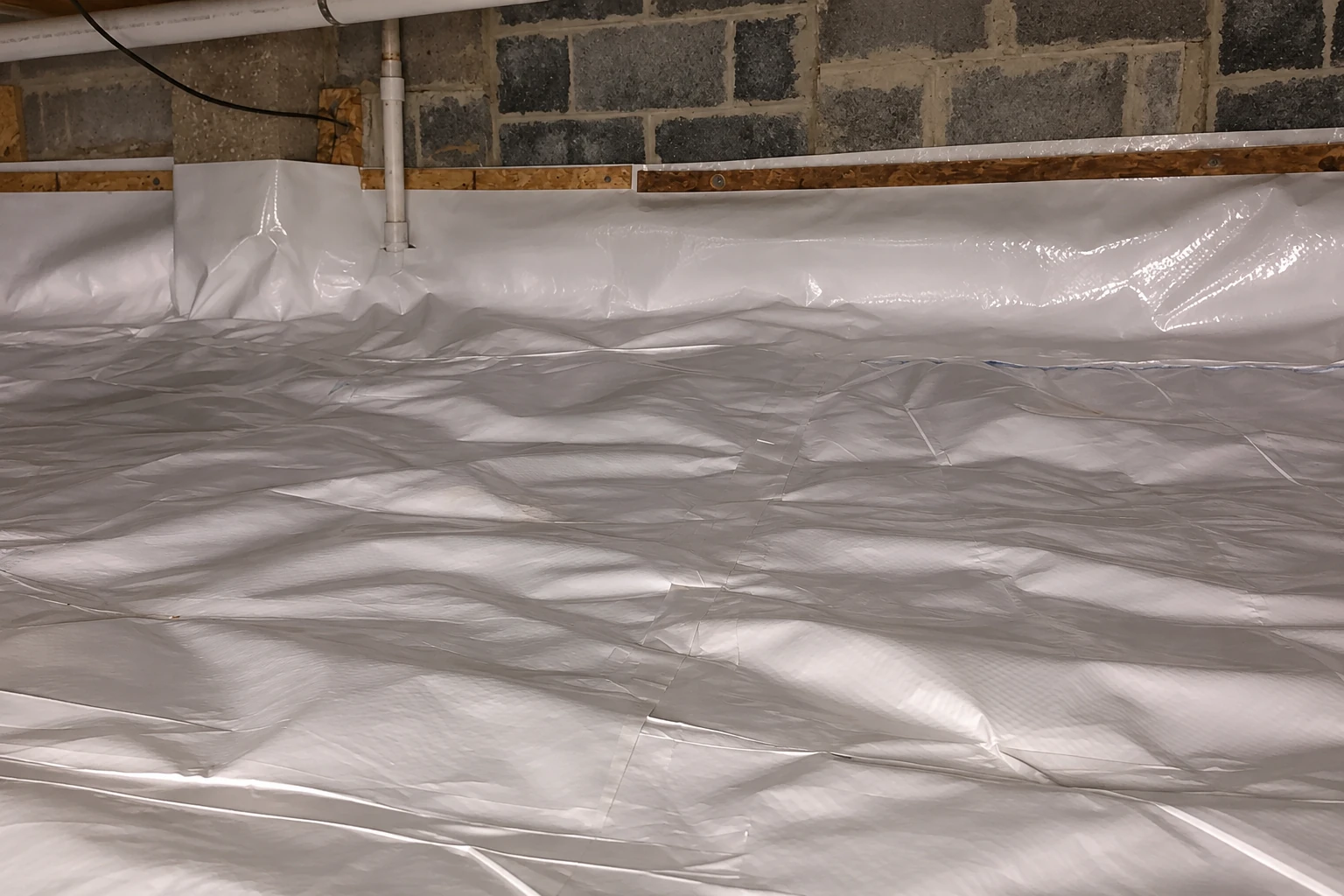
Moisture is the other thing we plan around. One foam maker's guide says open-cell is typically used in warmer climates and calls for an approved vapor retarder, a layer that slows moisture, toward the inside of the house in Climate Zones 5 through 8 and Marine 4, so we follow what the maker of the foam we use calls for. If damp is coming up from below, a crawl space vapor barrier usually belongs in the plan, and for shops, offices and other buildings, see our commercial insulation work.
Once the plan is set, the job runs in this order.
We pull out old insulation that's wet or dirty and deal with the damp behind it. Spraying over it would hide the problem, not fix it.
We cover floors, furniture and the path to the attic before any foam gets mixed. Someone lives here, so we leave it like someone does.
Our crew sprays the foam in layers and trims it where it swells past the framing. The edges get the same depth as the middle, because the edges are usually where the cold gets in.
The foam has to cure and the house has to air out before you're back, which the questions below cover. Once you're home, we walk you through what we did.
Tell us the size of the area, whether it's the attic or walls, whether old insulation needs to come out and how easy the attic is to get into. We reply within one business day to set up a visit, and I come out for a free on-site estimate with no obligation. You can also call (507) 512-1787.
(507) 512-1787Open-cell spray foam in Rochester usually costs about $1,800 to $2,700 for 1,000 square feet sprayed 3 inches thick. That's the going rate for one layer, not our quote, and a second layer in the attic adds to it. Your own figure comes from the estimate after I've seen the space. Satisfaction guaranteed on every job.
Open cell is usually the better buy when you want quieter rooms at a lower price, while closed cell is about twice as energy efficient per inch and costs more partly for that reason. Open cell is a much better sound barrier, so it suits a bedroom under the roof or the room over the garage. If closed cell fits your house better, I'll say so.
Plan on at least 24 hours out of the house, during the install and after, which is what national safety guidance for spray foam advises. You come back once the foam has finished curing and the house has been aired out and cleaned, so line up a place for the family and pets. If anyone at home has asthma, respiratory allergies, a skin condition or a past reaction to a foam chemical, read the product information carefully and, if needed, consider other insulation.
Usually, yes. Rochester requires residential building contractors to be licensed with the State of Minnesota, and the state requires a license for any contractor who works in more than one special skill area. The state lists insulation and vapor barriers under its interior finishing skill, and a contractor offering only one skill doesn't need a state license.
If you're thinking of doing the work yourself, the City of Rochester requires owners and occupants of single-family homes to get permits for work they plan to do themselves, and whoever signs the permit is responsible for the work meeting every rule. The city's Community Development Department has permit guides for do-it-yourself projects and answers questions at 507-328-2600.
When we do the job, we check with the city or county office that covers your address before work starts, and if our part needs a permit, we take care of it. We're based in Rochester and work in Byron, Stewartville, Kasson and other cities around it, and the attics there look a lot like Rochester's, older houses with a few tired inches up top and newer ones with gaps nobody sealed.
If you're not sure foam is the answer, one look in the attic usually settles it, so call (507) 512-1787 or send the form.
If something about your attic has you puzzled, send us a note and we'll sort it out with you.
Tell us about your project