
You call, we set up a visit
Call (507) 512-1787 or send a message through the site, and we'll get back to you to pick a time for me to come out. A few questions on the phone help me know what to bring.
Cold rooms and drafty outside walls usually mean the walls are close to empty. We check what's in yours, then fill them properly.
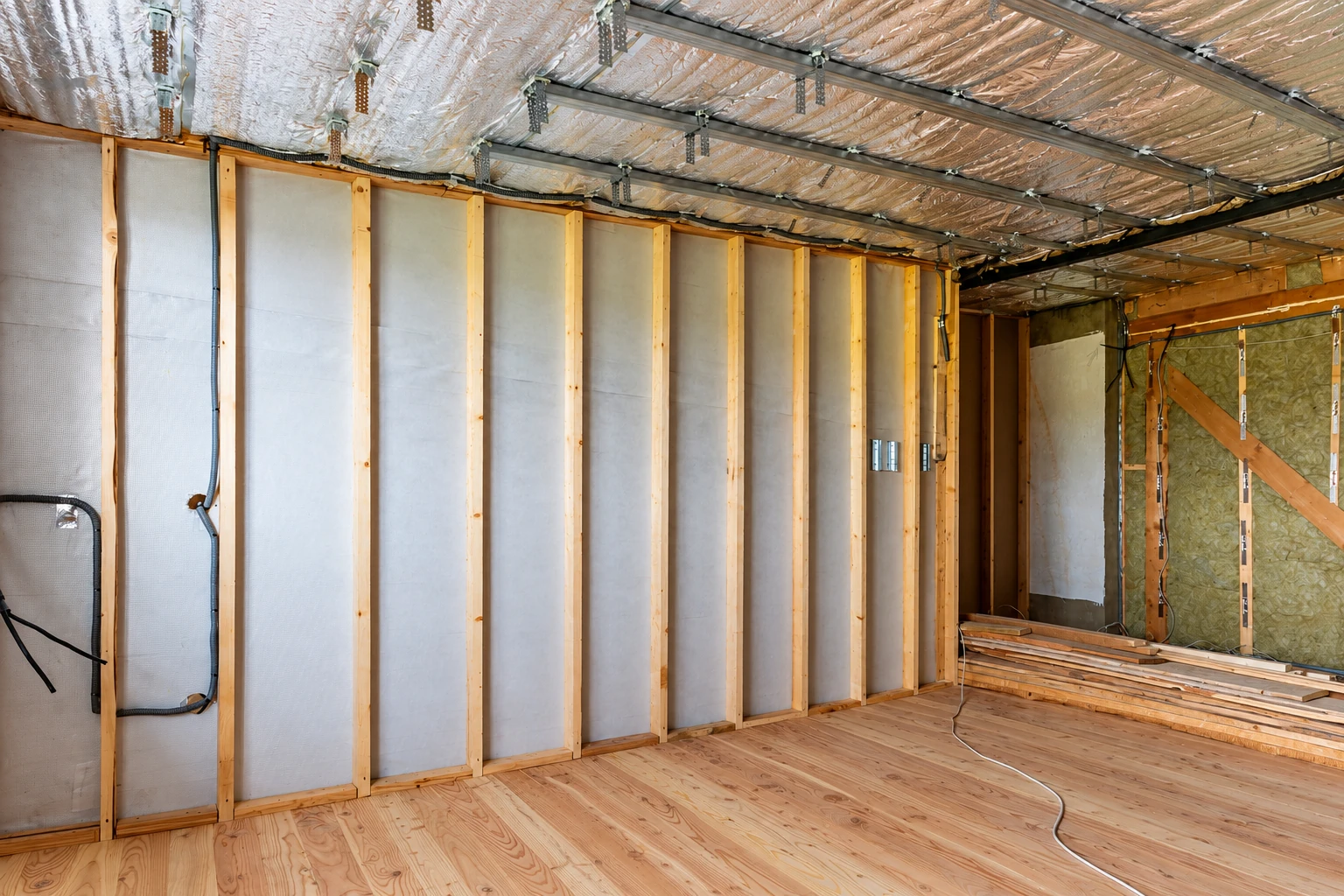
Wall insulation in Rochester, MN means filling the hollow spaces inside your home's outside walls, usually by blowing insulation in through small holes drilled from inside or outside, so the rooms along those walls stop running cold.
Most people call us about the room that never warms up, the chill you feel standing next to an outside wall, or a heating bill that keeps climbing even after the attic got done. Walls are the part of the house nobody looks at, because there's no hatch to poke your head through, so they can sit close to empty for decades.
What moves the price is how many walls need filling, what's in them now, which side we go in from and how much patching follows, since plaster and old siding take more care than drywall. The schedule mostly turns on whether we're working around a siding job and whether a permit is involved, and I'll put your own figure in writing after I've seen the walls.
I come out for the estimate myself. I started this business in 2017 to work on houses people already live in, after my first years insulating new ones before the drywall went up. We're licensed and insured.
Call (507) 512-1787 or send a message through the site, and we'll get back to you to pick a time for me to come out. A few questions on the phone help me know what to bring.
I check what's in your outside walls now, then go up in the attic or down in the crawl space to look for leaks, water and anything else that changes the plan. The estimate I write up says which side I'd go in from and why.
Once you say yes, we sort out any permit, do the prep and sealing, then the insulation, and I'm on the job to check the parts that get closed up. Before we leave, we walk you through what we did. Satisfaction guaranteed on every job.
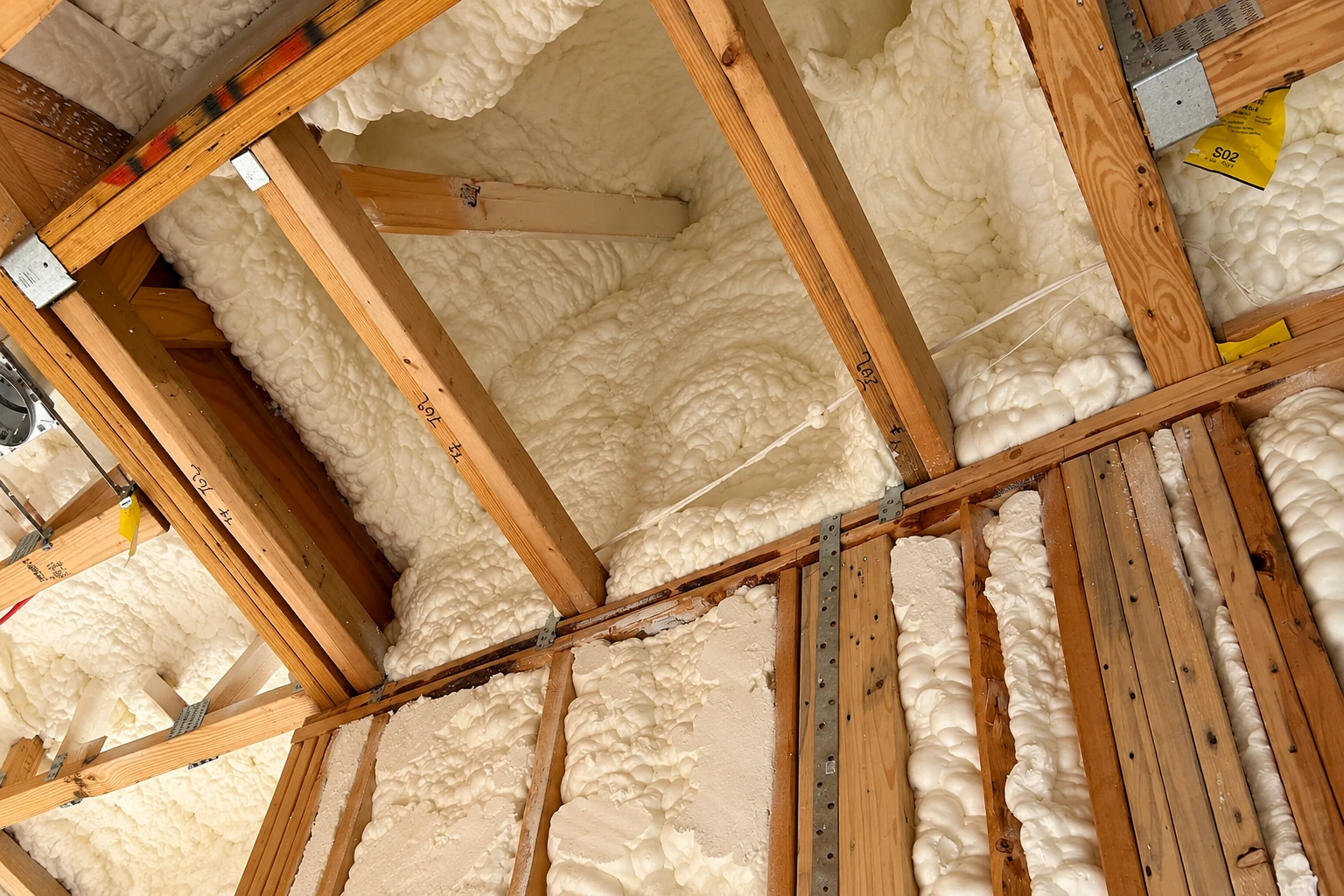
Plenty of older walls are close to empty, and some have old fill slumped to the bottom of each bay, so we check what's in yours before you decide anything. Then we talk through going in from inside or outside, seal the gaps we can reach so the new fill isn't fighting a draft, blow each bay full and tight, and plug and patch the holes. Foam earns its higher price when a wall is already open, because it seals and insulates in one pass, but in a closed wall a dense blown fill is usually the better buy.
Walls are rarely the only leak in a house. If drafts are coming from the attic floor, the basement rim or around windows, our air sealing services close those up, and if the cold is coming up from below, basement insulation is worth a look on the same visit.
Every wall is a little different once we're into it, but the job usually runs in this order.
We find the studs, the window and door openings and any blocking inside the wall, because every bay between studs needs its own hole and its own fill. Miss one and you've got a cold stripe nobody can see.
Inside, we clear and cover the area along the wall so dust stays where we're working. Outside, we take off siding pieces where it makes sense so the holes end up hidden.
We blow each bay until it's packed, because loose fill in a wall settles and leaves the top empty. Tight is the whole point.
We plug the holes and either patch them ready for paint or put the siding back. Then we clean up so the house looks like someone lives in it, because someone does.
Send the form or call (507) 512-1787, and we'll reply within one business day to set up a visit. If you have them, tell us the year the house was built, whether new siding is in the plans and any infrared images you've had taken, because that's where I start. The estimate is free, done at your house and comes with no obligation.
(507) 512-1787It usually does if the walls hold less than an inch of insulation, or if an infrared scan shows big gaps. So the first step is finding out what your walls hold now, before anyone talks about what to put in them.
Going in from inside leaves your house wrap alone, while going in from outside cuts through that layer under the siding that sheds water, so it has to be patched or replaced afterward. Which side is better comes down to how easy each side is to get at and what shape the existing wrap is in. If your siding is staying put for years, inside is usually the cleaner choice.
The best time to insulate from outside is when the house is getting new siding, because the walls are open and the crew can check the house wrap and put it back or replace it. The City of Rochester requires a building permit and inspections for all residential re-roofing, re-siding and window replacement projects, and its list doesn't name wall insulation. So we check with the city or county office that covers your address before work starts, and if our part of the job needs a permit, we take care of it.
Minnesota requires a license from the state Department of Labor and Industry for residential contractors and remodelers who contract with a homeowner and offer more than one special skill. State law also requires people who do building construction or improvement work to register with the state before they start, with some exceptions. If you'd rather do it yourself in Rochester, you get any permit the work needs, and whoever signs it is responsible for meeting the rules.
Houses built before 1960 generally have no wall insulation, or so little it falls short of today's standards, and plenty of older Rochester houses fit that. What we usually find in them is plaster inside, a layer or two of siding outside and not much in between, which makes those walls good candidates for filling.
We're based in Rochester, MN and do the same work in Byron, Stewartville, Kasson and other cities around it. Newer houses usually have something in the walls already, so there the visit is more often about air leaks than empty bays.
Call (507) 512-1787 or send the form now, because an empty wall costs you every day the furnace runs.
If you're not sure what's behind your walls, send us a message and we'll help you sort out where to start.
Tell us about your project