
You call, we set up a visit
Call (507) 512-1787 or send a message through the form, and we get back to you to set a time. Have your house's age and any siding plans handy, because both change how I'd approach the walls.
Cold rooms, drafty walls or ice dams every winter? We seal the leaks and add insulation to the house you already live in.
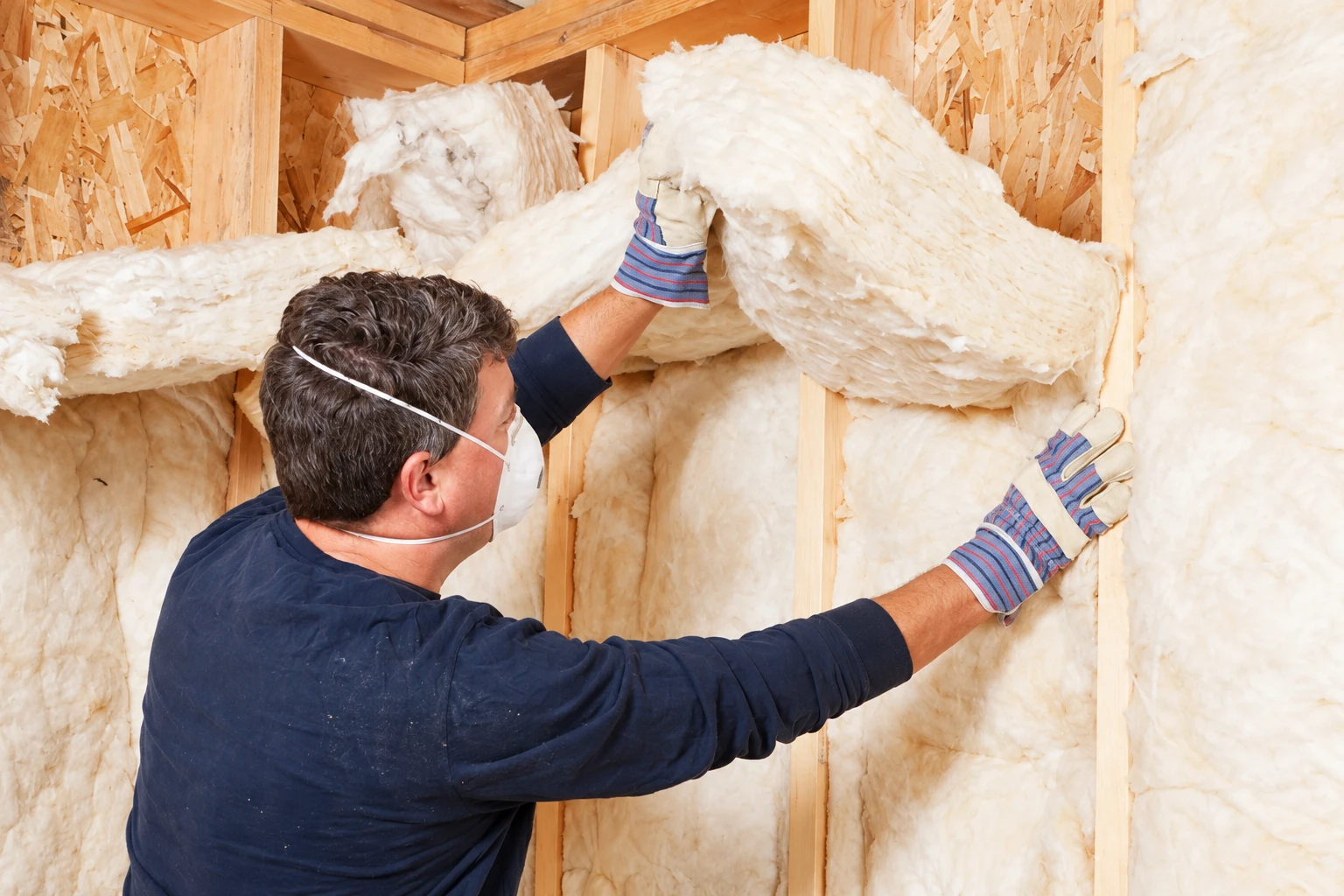
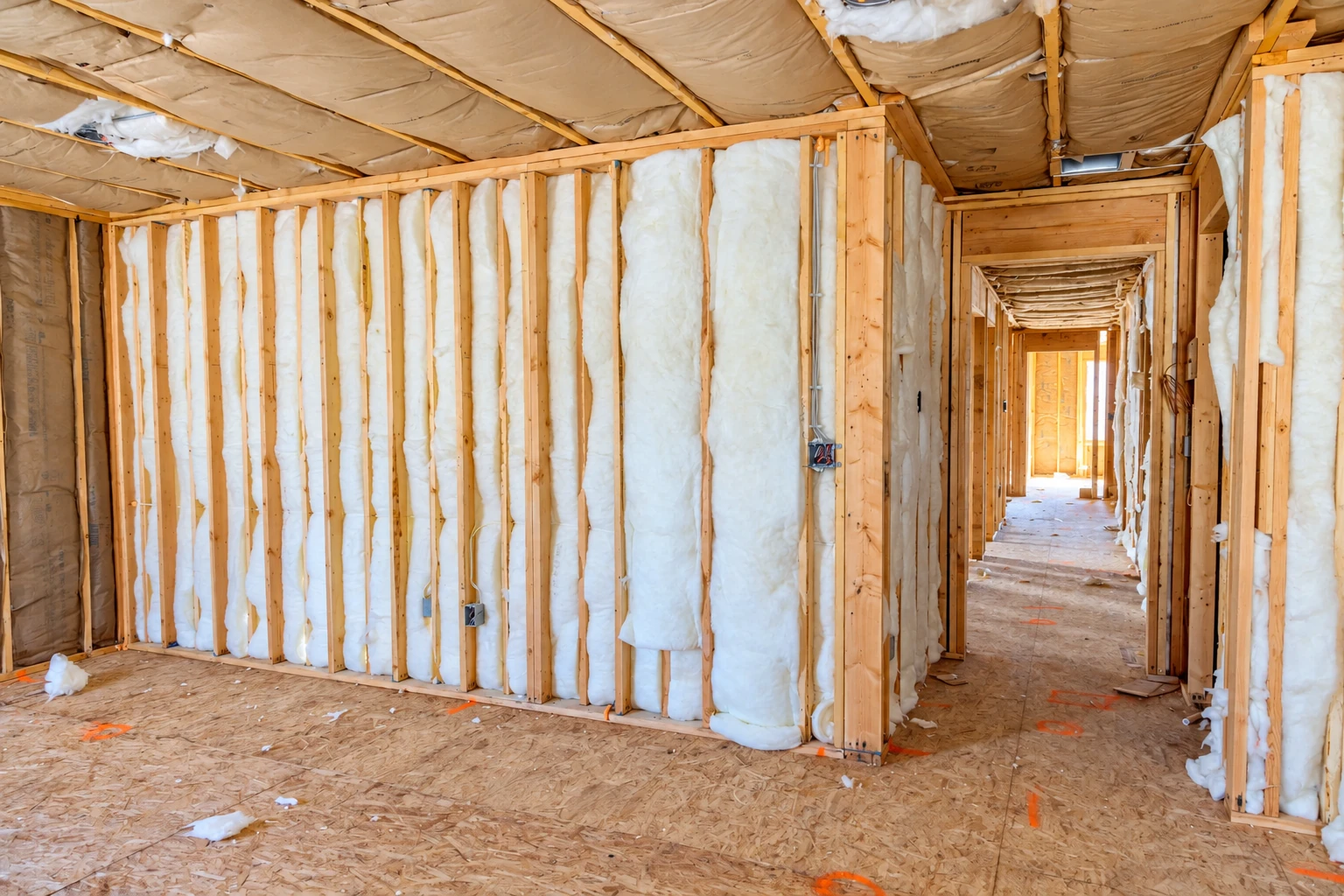
Retrofit insulation means adding insulation to a house that's already built and lived in. In Rochester that usually means sealing and topping up the attic, or blowing insulation into the walls through small holes near the top of each wall cavity, so cold rooms and ice dams ease off without gutting the house.
Most people call us because the upstairs is hot, the room over the garage is freezing or the power bill keeps climbing. More insulation alone rarely fixes that, because warm air finds its way out through gaps the insulation just sits on top of. I care that the problem actually gets fixed, so we find where the air, the damp and the old wiring are before anything new goes on. We're based in Rochester and also work in Byron, Stewartville, Kasson and other cities around it.
The price moves with how much your house needs, like how many gaps need sealing, whether old insulation is wet or full of droppings and has to come out first, and whether it's the attic, the walls or both. The schedule turns on what we find up there, whether old wiring needs an electrician first and whether you're planning new siding we can work around. You get your own number from the estimate I write up after I've been in your attic.
I started this business in 2017 to work on houses people already live in, which has more surprises than new construction. Minnesota's Department of Labor and Industry requires a license for residential contractors and remodelers who take on more than one kind of work on a house. We're licensed and insured.
Call (507) 512-1787 or send a message through the form, and we get back to you to set a time. Have your house's age and any siding plans handy, because both change how I'd approach the walls.
I come out for the estimate, climb into the attic or crawl space and look for leaks, water, old wiring and anything else that changes the plan. Then I write up what I found and what it'll take.
Once you say yes, we sort out any permit, do the prep and sealing, then the insulation. I'm on the job to check the parts that get covered up, and we walk you through what we did before we leave.
In an older house we check for old wiring first, so nothing gets buried that shouldn't be. Then we pick the method that opens up the least wall, pull out any insulation that's soaked or full of droppings, and seal the gaps around can lights, pipes and the attic hatch before new insulation goes on. If you've got a story-and-a-half, I'll tell you straight how much that attic can take, because the answer is sometimes less than you'd hope.
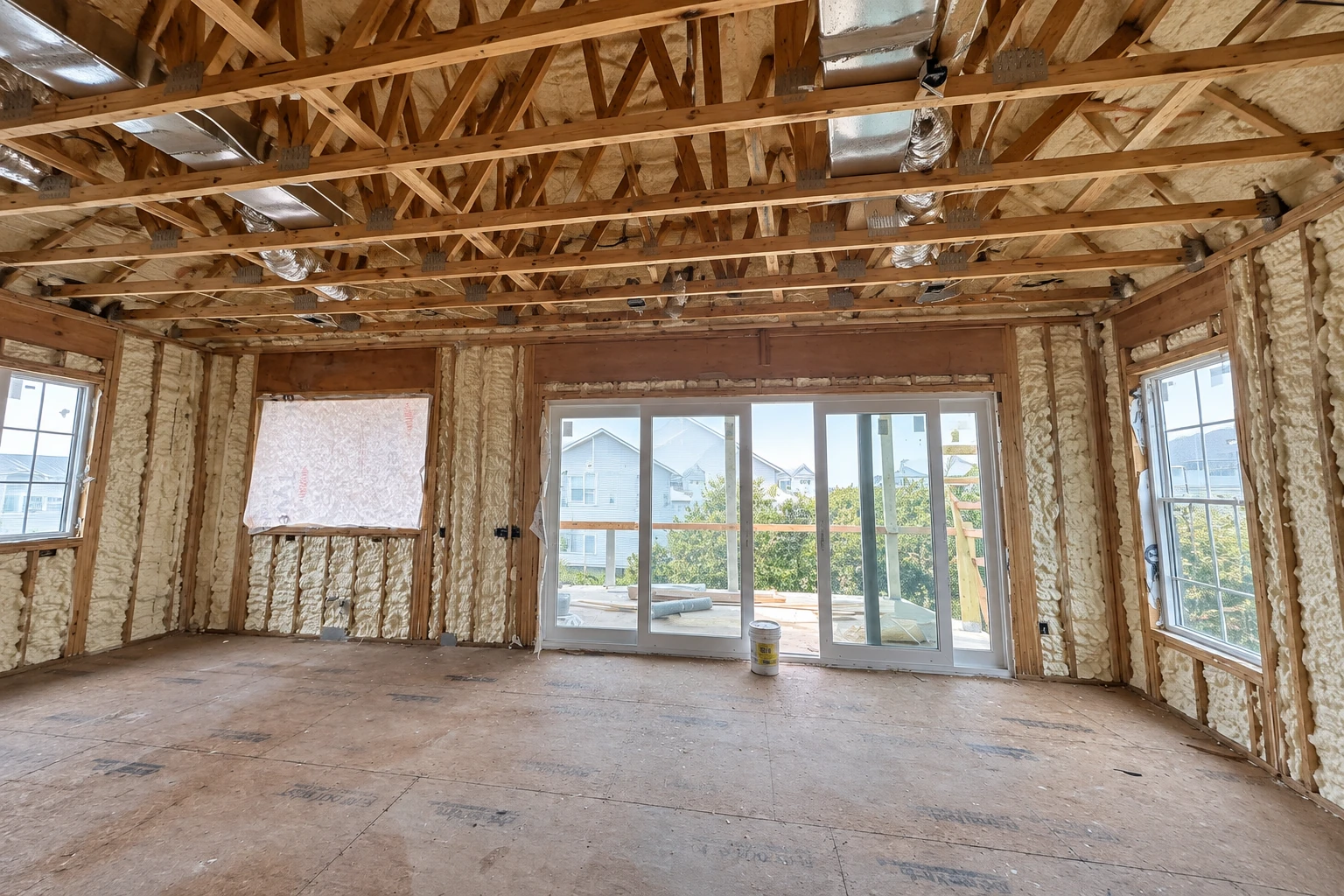
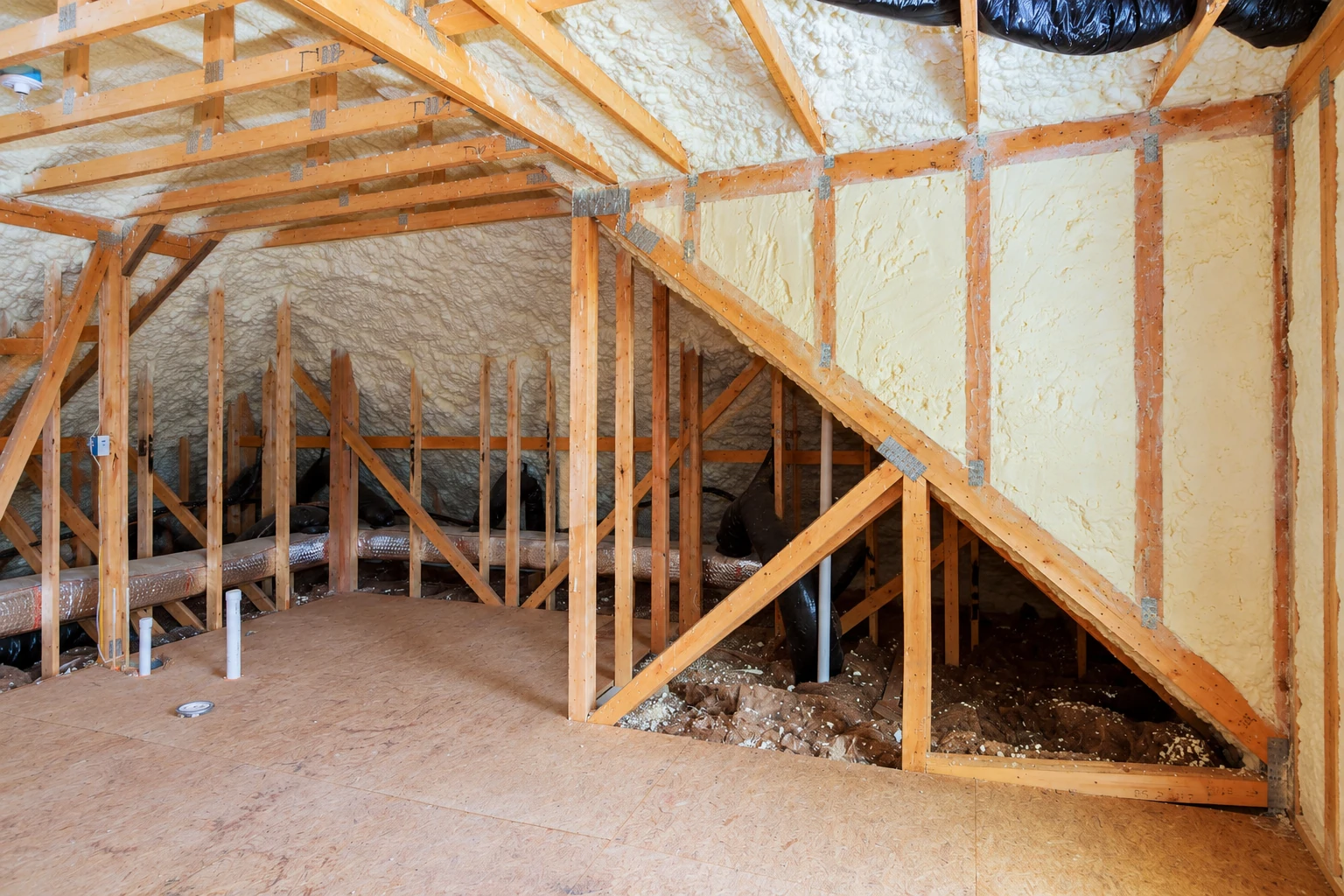
Most retrofit jobs start overhead, so a lot of this overlaps with our attic insulation work. Spray foam insulation costs more and seals air while it insulates, but in most attics sealing the gaps and topping up loose fill does the job for less. Foam usually earns its price when your ductwork runs through the attic.
You keep living in your house while we work, so we plan around that. If foam is part of the job, we tell you the re-entry time, meaning when it's fine for you, the kids and the pets to come back in, before we start.
We cover the floors from the door to the attic hatch, because insulation dust goes everywhere if you let it. The house should look lived in when we leave, not like a job site.
For walls, we drill small holes into each cavity instead of pulling off drywall or siding. When the walls are full, we close the holes back up.
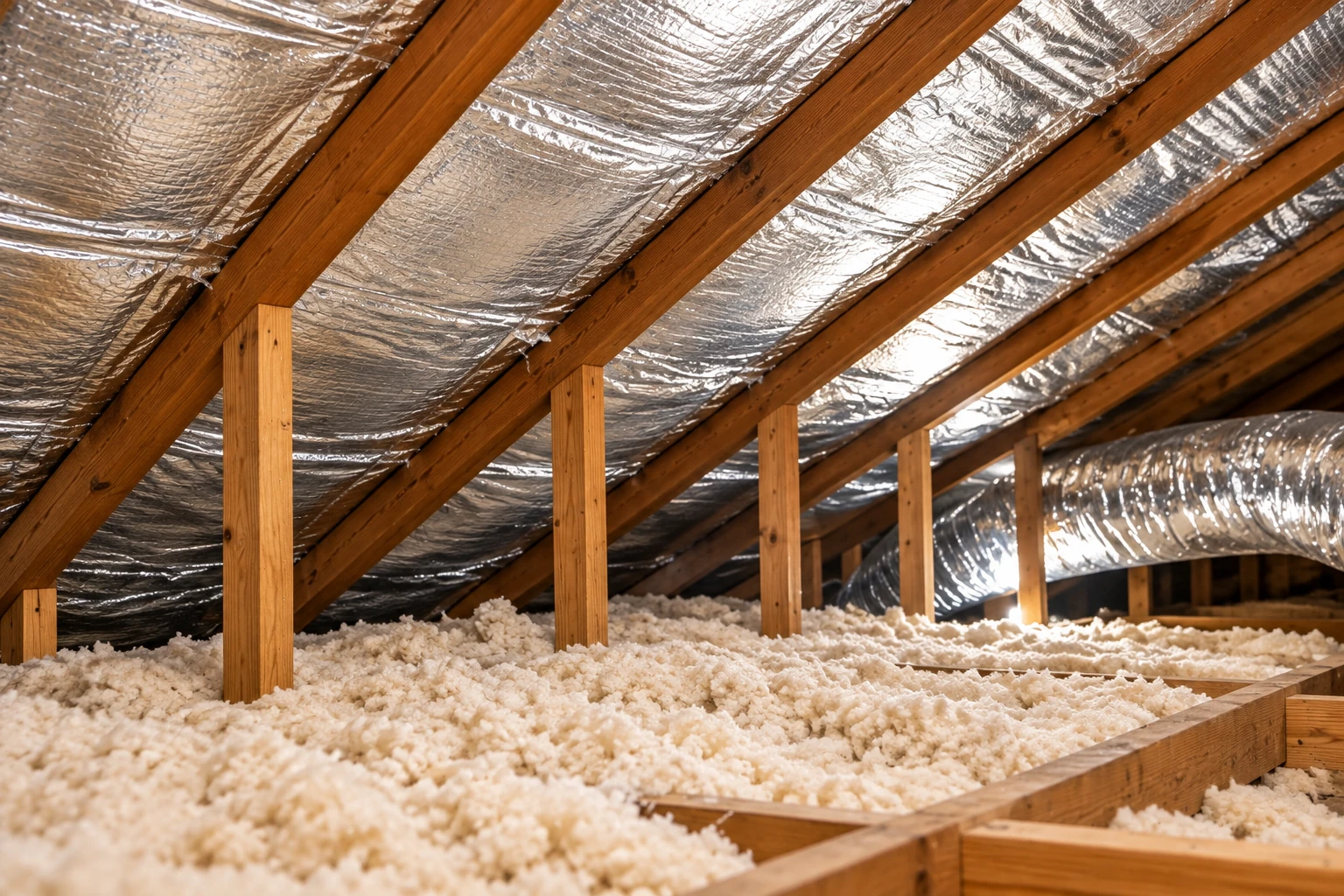
Air sealing, which means closing the gaps where house air leaks into the attic, comes first. Then we blow in loose fill through a hose to an even depth.
Most attics we open look like snow plowed onto a parking lot, deep in the middle and thin at the edges, which is backward. I check that the edges get full depth and the eave vents stay clear, so the attic can still breathe.
Tell us how old your house is, whether new siding is in the plans and what your attic is like, whether it's a full attic, a story-and-a-half or a low crawl. We reply within one business day to set up a visit, and I come out, look the house over and write up your estimate. There's no pressure and no obligation, and you can also call (507) 512-1787.
(507) 512-1787Attic insulation and air sealing in Minnesota usually costs about $1,000 to $4,500 per project, and most quotes that energy advisors review land in the middle of that range. Where yours falls depends on how much work the house needs, like how many gaps need sealing and whether old insulation has to come out first. Your own number comes from the estimate after I've been up there.
Yes, and working from inside leaves your house wrap alone. Blowing it in from outside cuts through the drainage plane, the wrap under the siding that sheds water, and that layer then has to be patched or replaced. Which way makes sense depends on how we can get at your walls and what shape the wrap is in.
Yes. Minnesota rules don't allow attic insulation to go in until the attic bypasses we can reach are sealed, and a bypass is any opening where house air gets into the attic. Sealing and insulating the attic is also the best way to head off ice dams, though in a story-and-a-half the ceiling sits so close to the roof that there often isn't room for enough insulation, so it helps a lot but may not end ice dams for good.
Often, yes. In homes built before 1980, lead safety rules can come into play depending on how much wall the work disturbs, so ask how much each method opens up before you choose one. Knob and tube wiring, the old kind strung on porcelain knobs, can't have insulation on or around it under the electrical code, so it gets dealt with before anything goes in.
The City of Rochester requires permits and inspections for all residential re-roofing, re-siding and window replacement, and that list names those jobs, not insulation. We check with the city or county office that covers your address before work starts, and if our part of the job needs a permit, we take care of it. If new siding is coming, that's the best time to insulate the walls from outside, because the house wrap can be checked or replaced and rigid foam added outside along with or instead of filling the cavities, so it pays to line up both jobs around the siding permit.
If you'd rather do the work yourself, owners and occupants of single-family homes in Rochester have to get permits for work they do themselves, and whoever signs the permit is responsible for the work meeting every rule. Once it's issued, you schedule the required inspections with the city through Accela Citizen Access, by phone during office hours, by email or at the front desk.
Call (507) 512-1787 or use the form, because nobody can price an attic honestly from the driveway, and it's satisfaction guaranteed on every job.
If you're not sure whether your house needs more insulation or just better sealing, give us a call and ask.
Tell us about your project